Why K-Drama OSTs Are Becoming Bigger Than the Shows Themselves
Key takeaways
Quick summary- 1In 2026, original soundtracks from Korean dramas are dominating streaming playlists, going viral on TikTok, and helping artists gain massive international atte…
- 2K-drama OSTs are no longer just background music for emotional scenes.
- 3Fans say the emotional connection between music and storytelling is making K-drama OSTs a global trend of their own.
K-drama OSTs continue dominating global streaming platforms in 2026 as emotional soundtrack songs gain popularity through TikTok edits, Spotify playlists, and viral fan content worldwide.
Created by Author

Hover or tap React to choose. Pick the same reaction again to remove it.
Comments
(Updates after load — yes, your readers are humans… mostly.)
Top reads this week
Last 7 days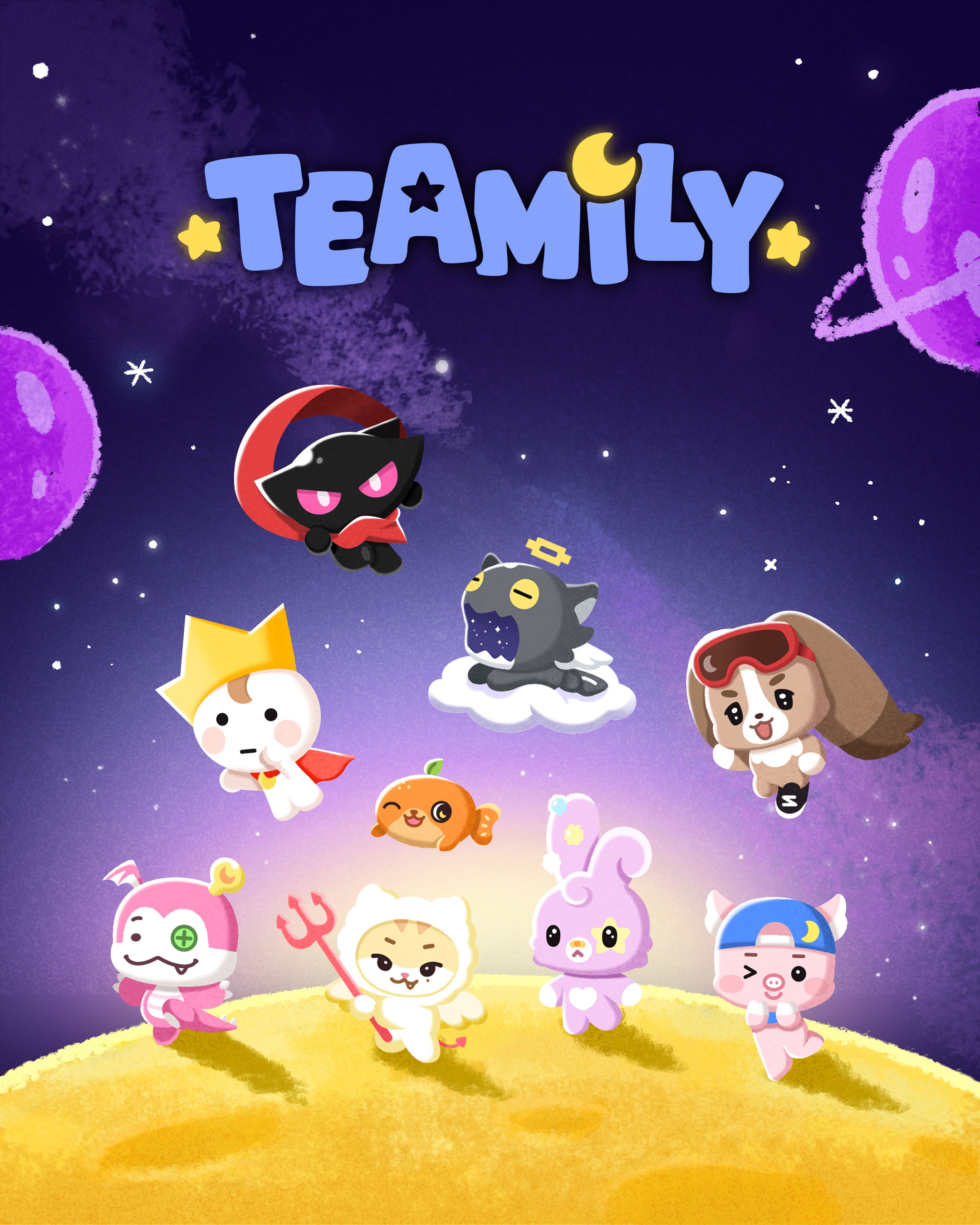
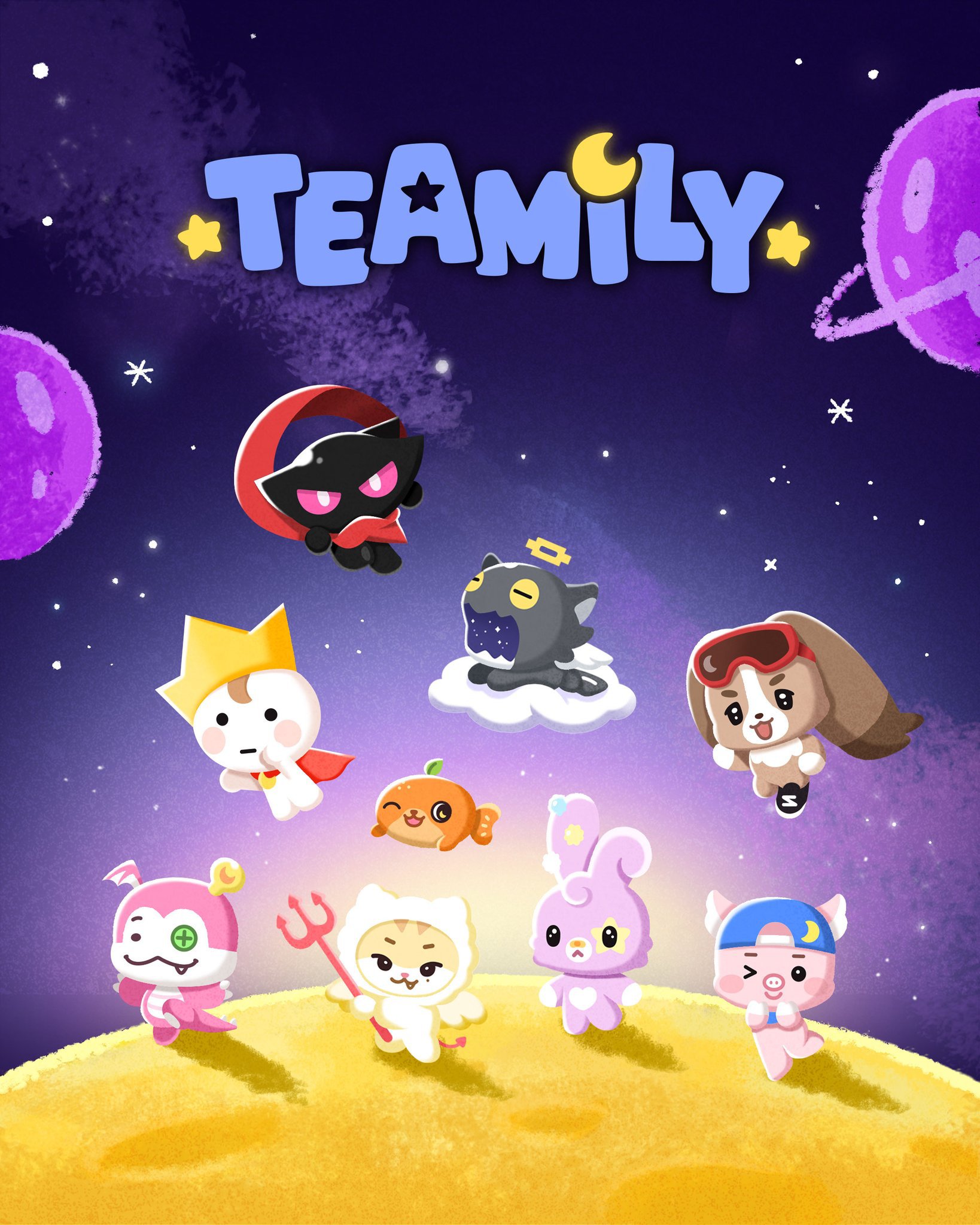
Meet TEAMILY: How &TEAM Is Turning Its Members’ Personalities Into Characters for Fans
4d ago
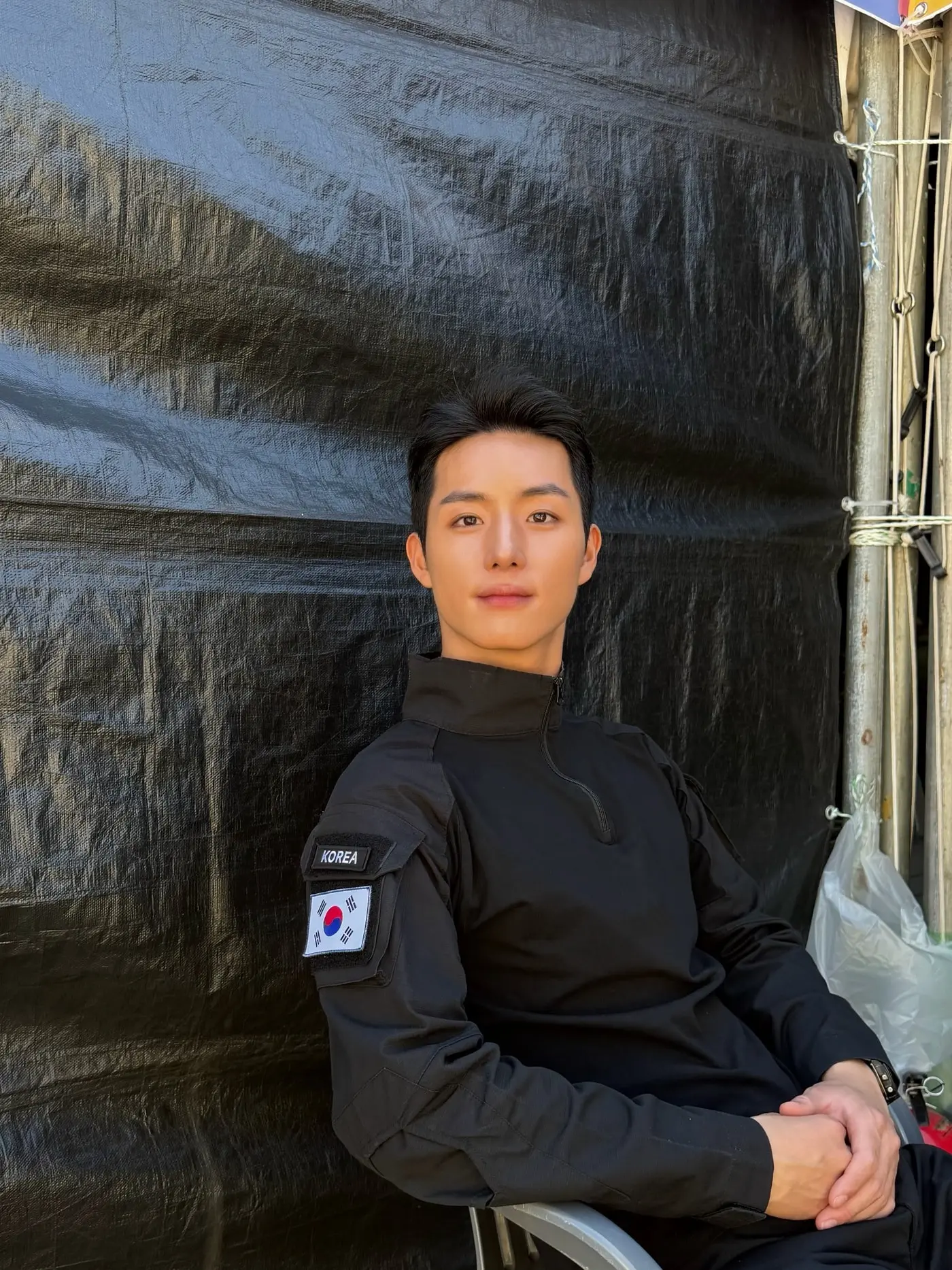
Former ATBO Member Jeong Seunghwan Goes Viral at 2026 Ground Forces Festival
4d ago

Beyond borders: An open Conversation with MEPC on diversity, science fiction, and the art of connecting
10h ago
Album Review: CRAVITY’s 9th EP ‘sonorous’
3d ago
Watch: TWICE Introduces Official Characters TDOONGZ
5d ago
Related group news
Latest stories mentioning .