[https://seoulbeats.com/wp-content/uploads/2026/03/20260329_Seoulbeats_BTS_Arirang-300x297.png]
BTS
×
 About group
BTS
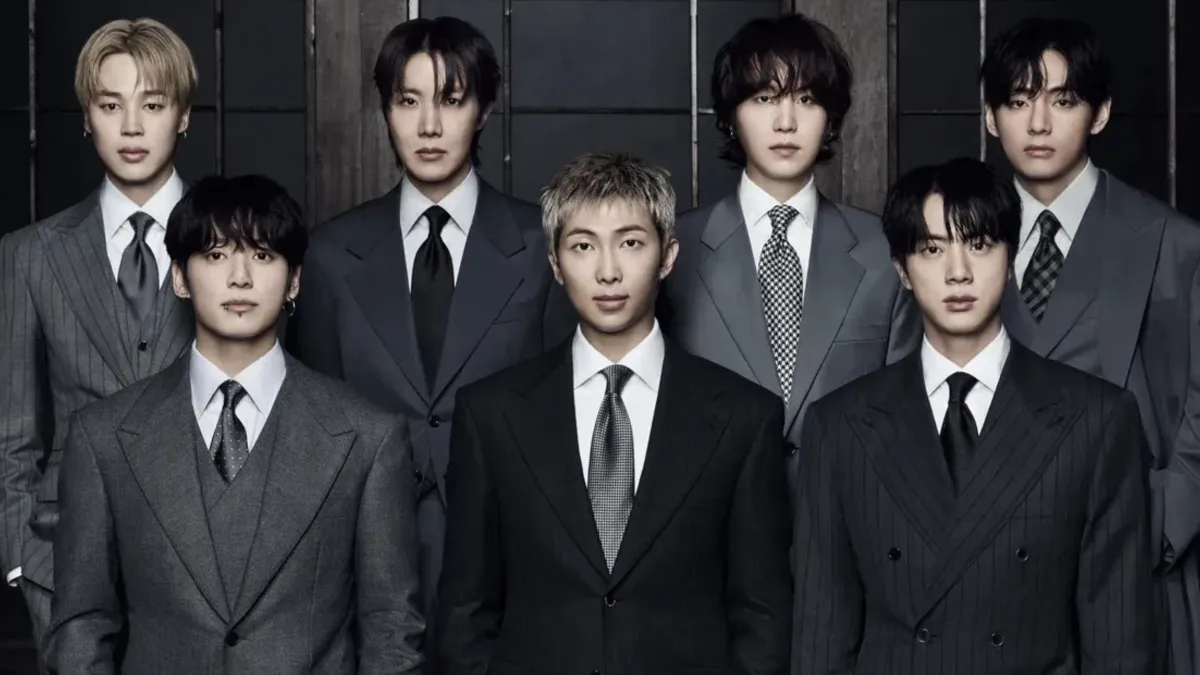
BTS (방탄소년단) is a South Korean K-pop group formed by BigHit Music and debuted on June 13, 2013. The group consists of seven members: RM, Jin, SUGA, j-hope, Jimin, V, and Jungkook. Known for their powerful performances, meaningful lyrics, and strong connection with fans, BTS has become one of the most successful and influential music groups in the world. Their music explores themes such as youth, self-discovery, mental health, love, and personal growth, helping them build a dedicated global fanbase known as ARMY.
Since their debut, BTS has achieved record-breaking success across the global music industry with hit songs such as “Dynamite,” “Butter,” “Spring Day,” “Boy With Luv,” and “Fake Love.” The group has earned numerous awards, topped charts in multiple countries, sold millions of albums, and helped introduce K-pop to a broader international audience. Through their artistry, cultural
Tap again to view profile →
Close
faced overwhelming pressure as they prepared to return from a four-year hiatus, from fans hungry for new music, to media outlets questioning their current relevance, to Hybe holding expectations for commercial success. Not long after RM
×
About group
BTS
BTS (방탄소년단) is a South Korean K-pop group formed by BigHit Music and debuted on June 13, 2013. The group consists of seven members: RM, Jin, SUGA, j-hope, Jimin, V, and Jungkook. Known for their powerful performances, meaningful lyrics, and strong connection with fans, BTS has become one of the most successful and influential music groups in the world. Their music explores themes such as youth, self-discovery, mental health, love, and personal growth, helping them build a dedicated global fanbase known as ARMY.
Since their debut, BTS has achieved record-breaking success across the global music industry with hit songs such as “Dynamite,” “Butter,” “Spring Day,” “Boy With Luv,” and “Fake Love.” The group has earned numerous awards, topped charts in multiple countries, sold millions of albums, and helped introduce K-pop to a broader international audience. Through their artistry, cultural
Tap again to view profile →
Close
faced overwhelming pressure as they prepared to return from a four-year hiatus, from fans hungry for new music, to media outlets questioning their current relevance, to Hybe holding expectations for commercial success. Not long after RM
×
 Artist bio
RM
Real name: Kim Nam-joonPosition: Leader, Main RapperNationality: South KoreanBirthday: 1994-09-12Birthplace: Ilsan-gu, Goyang, Gyeonggi-do, South Korea
Leader and main rapper of BTS. RM is a thoughtful, introspective leader known for calm guidance, honesty, and a strong sense of responsibility for BTS’s music and message.
Tap again to view profile →
Close
, V
×
Artist bio
RM
Real name: Kim Nam-joonPosition: Leader, Main RapperNationality: South KoreanBirthday: 1994-09-12Birthplace: Ilsan-gu, Goyang, Gyeonggi-do, South Korea
Leader and main rapper of BTS. RM is a thoughtful, introspective leader known for calm guidance, honesty, and a strong sense of responsibility for BTS’s music and message.
Tap again to view profile →
Close
, V
×
 Artist bio
V
Real name: Kim Tae-hyungPosition: Lead Dancer, Sub Vocalist, VisualNationality: South KoreanBirthday: 1995-12-30Birthplace: Daegu, raised in Geochang, South Korea
Vocalist and visual of BTS. V has a unique, artistic personality, mixing playful goofiness with a deep, introspective side and strong interest in art, film, and vintage aesthetics.
Tap again to view profile →
Close
, Jimin
×
Artist bio
V
Real name: Kim Tae-hyungPosition: Lead Dancer, Sub Vocalist, VisualNationality: South KoreanBirthday: 1995-12-30Birthplace: Daegu, raised in Geochang, South Korea
Vocalist and visual of BTS. V has a unique, artistic personality, mixing playful goofiness with a deep, introspective side and strong interest in art, film, and vintage aesthetics.
Tap again to view profile →
Close
, Jimin
×
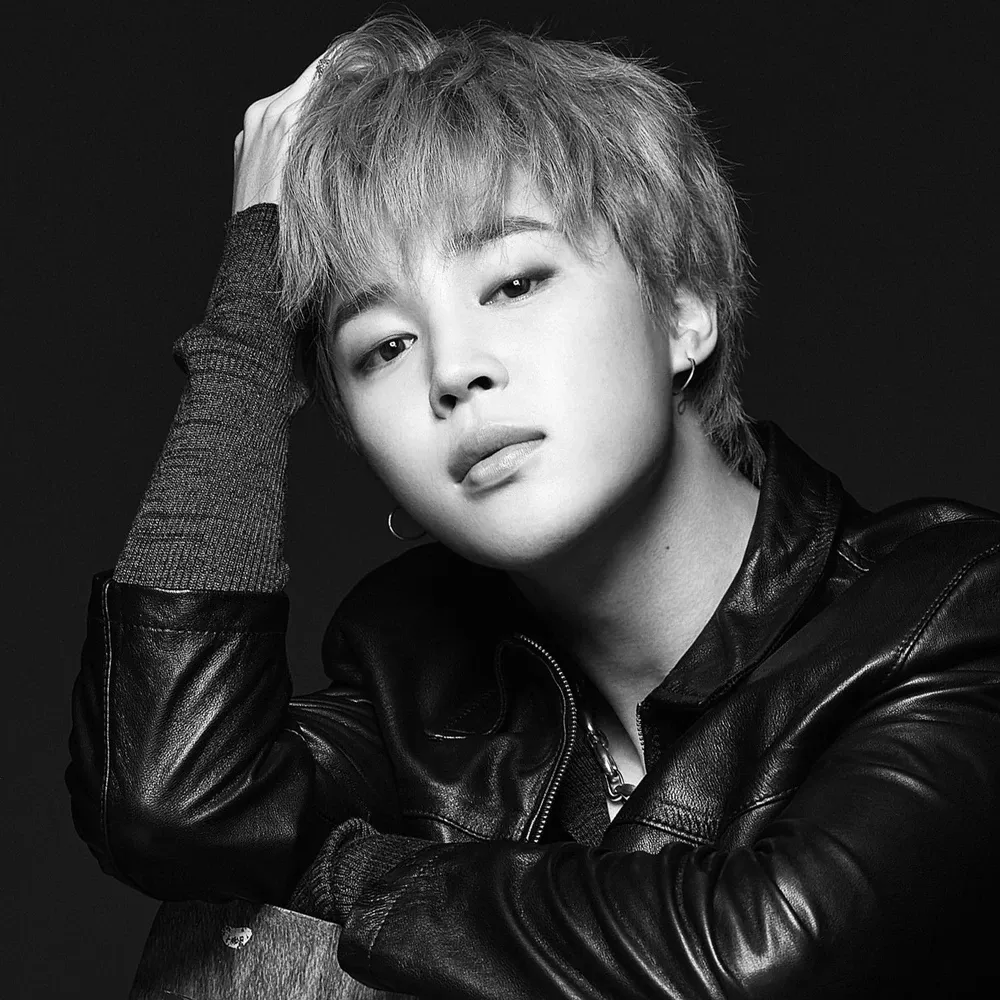 Artist bio
Jimin
Real name: Park Ji-minPosition: Main Dancer, Lead VocalistNationality: South KoreanBirthday: 1995-10-13Birthplace: Busan, South Korea
Main dancer and lead vocalist of BTS. Jimin is gentle, polite, and emotionally sensitive. He is known for his warm heart, thoughtful gestures, and graceful stage presence.
Tap again to view profile →
Close
, Jungkook
×
Artist bio
Jimin
Real name: Park Ji-minPosition: Main Dancer, Lead VocalistNationality: South KoreanBirthday: 1995-10-13Birthplace: Busan, South Korea
Main dancer and lead vocalist of BTS. Jimin is gentle, polite, and emotionally sensitive. He is known for his warm heart, thoughtful gestures, and graceful stage presence.
Tap again to view profile →
Close
, Jungkook
×
 Artist bio
Jungkook
Real name: Jeon Jung-kookPosition: Main Vocalist, Lead Dancer, Center, MaknaeNationality: South KoreanBirthday: 1997-09-01Birthplace: Busan, South Korea
Main vocalist and maknae of BTS. Jungkook is the Golden Maknae, gifted in many areas and naturally competitive, but also shy, loyal, and affectionate toward the group and fans.
Tap again to view profile →
Close
, and Suga
×
Artist bio
Jungkook
Real name: Jeon Jung-kookPosition: Main Vocalist, Lead Dancer, Center, MaknaeNationality: South KoreanBirthday: 1997-09-01Birthplace: Busan, South Korea
Main vocalist and maknae of BTS. Jungkook is the Golden Maknae, gifted in many areas and naturally competitive, but also shy, loyal, and affectionate toward the group and fans.
Tap again to view profile →
Close
, and Suga
×
 Artist bio
Suga
Real name: Min Yoon-giPosition: Lead Rapper, ProducerNationality: South KoreanBirthday: 1993-03-09Birthplace: Daegu, South Korea
Rapper and producer of BTS. Suga appears reserved and calm but has sharp wit and a quietly caring personality. He expresses himself deeply through lyrics and production.
Tap again to view profile →
Close
were discharged from military service, BTS
×
About group
BTS
BTS (방탄소년단) is a South Korean K-pop group formed by BigHit Music and debuted on June 13, 2013. The group consists of seven members: RM, Jin, SUGA, j-hope, Jimin, V, and Jungkook. Known for their powerful performances, meaningful lyrics, and strong connection with fans, BTS has become one of the most successful and influential music groups in the world. Their music explores themes such as youth, self-discovery, mental health, love, and personal growth, helping them build a dedicated global fanbase known as ARMY.
Since their debut, BTS has achieved record-breaking success across the global music industry with hit songs such as “Dynamite,” “Butter,” “Spring Day,” “Boy With Luv,” and “Fake Love.” The group has earned numerous awards, topped charts in multiple countries, sold millions of albums, and helped introduce K-pop to a broader international audience. Through their artistry, cultural
Tap again to view profile →
Close
flew to Los Angeles for a few months of song camps, under time constraints to produce an album by spring of 2026. This was a daunting task. In their Netflix documentary BTS
×
About group
BTS
BTS (방탄소년단) is a South Korean K-pop group formed by BigHit Music and debuted on June 13, 2013. The group consists of seven members: RM, Jin, SUGA, j-hope, Jimin, V, and Jungkook. Known for their powerful performances, meaningful lyrics, and strong connection with fans, BTS has become one of the most successful and influential music groups in the world. Their music explores themes such as youth, self-discovery, mental health, love, and personal growth, helping them build a dedicated global fanbase known as ARMY.
Since their debut, BTS has achieved record-breaking success across the global music industry with hit songs such as “Dynamite,” “Butter,” “Spring Day,” “Boy With Luv,” and “Fake Love.” The group has earned numerous awards, topped charts in multiple countries, sold millions of albums, and helped introduce K-pop to a broader international audience. Through their artistry, cultural
Tap again to view profile →
Close
: The Return, RM
×
Artist bio
RM
Real name: Kim Nam-joonPosition: Leader, Main RapperNationality: South KoreanBirthday: 1994-09-12Birthplace: Ilsan-gu, Goyang, Gyeonggi-do, South Korea
Leader and main rapper of BTS. RM is a thoughtful, introspective leader known for calm guidance, honesty, and a strong sense of responsibility for BTS’s music and message.
Tap again to view profile →
Close
commented that there are “no references” for this stage in their career, entering a second, post-military phase with intense scrutiny from around the world. However, their return also presented an opportunity to redefine themselves in this new chapter. As Jimin
×
Artist bio
Jimin
Real name: Park Ji-minPosition: Main Dancer, Lead VocalistNationality: South KoreanBirthday: 1995-10-13Birthplace: Busan, South Korea
Main dancer and lead vocalist of BTS. Jimin is gentle, polite, and emotionally sensitive. He is known for his warm heart, thoughtful gestures, and graceful stage presence.
Tap again to view profile →
Close
stated to Jungkook
×
Artist bio
Jungkook
Real name: Jeon Jung-kookPosition: Main Vocalist, Lead Dancer, Center, MaknaeNationality: South KoreanBirthday: 1997-09-01Birthplace: Busan, South Korea
Main vocalist and maknae of BTS. Jungkook is the Golden Maknae, gifted in many areas and naturally competitive, but also shy, loyal, and affectionate toward the group and fans.
Tap again to view profile →
Close
in another portion of the documentary, “If we want change, now is the time to do it.”
Artist bio
Suga
Real name: Min Yoon-giPosition: Lead Rapper, ProducerNationality: South KoreanBirthday: 1993-03-09Birthplace: Daegu, South Korea
Rapper and producer of BTS. Suga appears reserved and calm but has sharp wit and a quietly caring personality. He expresses himself deeply through lyrics and production.
Tap again to view profile →
Close
were discharged from military service, BTS
×
About group
BTS
BTS (방탄소년단) is a South Korean K-pop group formed by BigHit Music and debuted on June 13, 2013. The group consists of seven members: RM, Jin, SUGA, j-hope, Jimin, V, and Jungkook. Known for their powerful performances, meaningful lyrics, and strong connection with fans, BTS has become one of the most successful and influential music groups in the world. Their music explores themes such as youth, self-discovery, mental health, love, and personal growth, helping them build a dedicated global fanbase known as ARMY.
Since their debut, BTS has achieved record-breaking success across the global music industry with hit songs such as “Dynamite,” “Butter,” “Spring Day,” “Boy With Luv,” and “Fake Love.” The group has earned numerous awards, topped charts in multiple countries, sold millions of albums, and helped introduce K-pop to a broader international audience. Through their artistry, cultural
Tap again to view profile →
Close
flew to Los Angeles for a few months of song camps, under time constraints to produce an album by spring of 2026. This was a daunting task. In their Netflix documentary BTS
×
About group
BTS
BTS (방탄소년단) is a South Korean K-pop group formed by BigHit Music and debuted on June 13, 2013. The group consists of seven members: RM, Jin, SUGA, j-hope, Jimin, V, and Jungkook. Known for their powerful performances, meaningful lyrics, and strong connection with fans, BTS has become one of the most successful and influential music groups in the world. Their music explores themes such as youth, self-discovery, mental health, love, and personal growth, helping them build a dedicated global fanbase known as ARMY.
Since their debut, BTS has achieved record-breaking success across the global music industry with hit songs such as “Dynamite,” “Butter,” “Spring Day,” “Boy With Luv,” and “Fake Love.” The group has earned numerous awards, topped charts in multiple countries, sold millions of albums, and helped introduce K-pop to a broader international audience. Through their artistry, cultural
Tap again to view profile →
Close
: The Return, RM
×
Artist bio
RM
Real name: Kim Nam-joonPosition: Leader, Main RapperNationality: South KoreanBirthday: 1994-09-12Birthplace: Ilsan-gu, Goyang, Gyeonggi-do, South Korea
Leader and main rapper of BTS. RM is a thoughtful, introspective leader known for calm guidance, honesty, and a strong sense of responsibility for BTS’s music and message.
Tap again to view profile →
Close
commented that there are “no references” for this stage in their career, entering a second, post-military phase with intense scrutiny from around the world. However, their return also presented an opportunity to redefine themselves in this new chapter. As Jimin
×
Artist bio
Jimin
Real name: Park Ji-minPosition: Main Dancer, Lead VocalistNationality: South KoreanBirthday: 1995-10-13Birthplace: Busan, South Korea
Main dancer and lead vocalist of BTS. Jimin is gentle, polite, and emotionally sensitive. He is known for his warm heart, thoughtful gestures, and graceful stage presence.
Tap again to view profile →
Close
stated to Jungkook
×
Artist bio
Jungkook
Real name: Jeon Jung-kookPosition: Main Vocalist, Lead Dancer, Center, MaknaeNationality: South KoreanBirthday: 1997-09-01Birthplace: Busan, South Korea
Main vocalist and maknae of BTS. Jungkook is the Golden Maknae, gifted in many areas and naturally competitive, but also shy, loyal, and affectionate toward the group and fans.
Tap again to view profile →
Close
in another portion of the documentary, “If we want change, now is the time to do it.”
And so BTS
×
About group
BTS
BTS (방탄소년단) is a South Korean K-pop group formed by BigHit Music and debuted on June 13, 2013. The group consists of seven members: RM, Jin, SUGA, j-hope, Jimin, V, and Jungkook. Known for their powerful performances, meaningful lyrics, and strong connection with fans, BTS has become one of the most successful and influential music groups in the world. Their music explores themes such as youth, self-discovery, mental health, love, and personal growth, helping them build a dedicated global fanbase known as ARMY.
Since their debut, BTS has achieved record-breaking success across the global music industry with hit songs such as “Dynamite,” “Butter,” “Spring Day,” “Boy With Luv,” and “Fake Love.” The group has earned numerous awards, topped charts in multiple countries, sold millions of albums, and helped introduce K-pop to a broader international audience. Through their artistry, cultural
Tap again to view profile →
Close
has responded to this moment in their careers by making choices that confound expectations. Fundamentally, their 14-track album Arirang is about BTS
×
About group
BTS
BTS (방탄소년단) is a South Korean K-pop group formed by BigHit Music and debuted on June 13, 2013. The group consists of seven members: RM, Jin, SUGA, j-hope, Jimin, V, and Jungkook. Known for their powerful performances, meaningful lyrics, and strong connection with fans, BTS has become one of the most successful and influential music groups in the world. Their music explores themes such as youth, self-discovery, mental health, love, and personal growth, helping them build a dedicated global fanbase known as ARMY.
Since their debut, BTS has achieved record-breaking success across the global music industry with hit songs such as “Dynamite,” “Butter,” “Spring Day,” “Boy With Luv,” and “Fake Love.” The group has earned numerous awards, topped charts in multiple countries, sold millions of albums, and helped introduce K-pop to a broader international audience. Through their artistry, cultural
Tap again to view profile →
Close
’s effort to expand their musical repertoire while also grappling with who they are as the most prominent Korean artists in the global music scene, as well as how to be understood on their own terms.
Arirang’s mix of hip hop, R&B, and pop feels reminiscent of BTS
×
About group
BTS
BTS (방탄소년단) is a South Korean K-pop group formed by BigHit Music and debuted on June 13, 2013. The group consists of seven members: RM, Jin, SUGA, j-hope, Jimin, V, and Jungkook. Known for their powerful performances, meaningful lyrics, and strong connection with fans, BTS has become one of the most successful and influential music groups in the world. Their music explores themes such as youth, self-discovery, mental health, love, and personal growth, helping them build a dedicated global fanbase known as ARMY.
Since their debut, BTS has achieved record-breaking success across the global music industry with hit songs such as “Dynamite,” “Butter,” “Spring Day,” “Boy With Luv,” and “Fake Love.” The group has earned numerous awards, topped charts in multiple countries, sold millions of albums, and helped introduce K-pop to a broader international audience. Through their artistry, cultural
Tap again to view profile →
Close
’s past works like Dark & Wild, but the album also explores new directions in line with global trends. Working with Western producers including Ryan Tedder, Diplo, Mike Will Made It, Jpegmafia, and Kevin Parker opened up new sonic territory, from the grungy, reverb-heavy alternative rock of “Like Animals” to the distorted Jersey club beats of “FYA.” Arirang also thrills with some of BTS
×
About group
BTS
BTS (방탄소년단) is a South Korean K-pop group formed by BigHit Music and debuted on June 13, 2013. The group consists of seven members: RM, Jin, SUGA, j-hope, Jimin, V, and Jungkook. Known for their powerful performances, meaningful lyrics, and strong connection with fans, BTS has become one of the most successful and influential music groups in the world. Their music explores themes such as youth, self-discovery, mental health, love, and personal growth, helping them build a dedicated global fanbase known as ARMY.
Since their debut, BTS has achieved record-breaking success across the global music industry with hit songs such as “Dynamite,” “Butter,” “Spring Day,” “Boy With Luv,” and “Fake Love.” The group has earned numerous awards, topped charts in multiple countries, sold millions of albums, and helped introduce K-pop to a broader international audience. Through their artistry, cultural
Tap again to view profile →
Close
’s most experimental, layered production. “Hooligan,” for example, stacks the sound of sharpening knives, spliced classical samples, and J-Hope
×
 Artist bio
J-Hope
Real name: Jung Ho-seokPosition: Main Dancer, Rapper, Sub VocalistNationality: South KoreanBirthday: 1994-02-18Birthplace: Gwangju, South Korea
Main dancer and rapper of BTS. J-Hope is the bright mood maker of BTS, full of energy and encouragement. He takes dance and performance very seriously while keeping members’ spirits up.
Tap again to view profile →
Close
’s and RM
×
Artist bio
RM
Real name: Kim Nam-joonPosition: Leader, Main RapperNationality: South KoreanBirthday: 1994-09-12Birthplace: Ilsan-gu, Goyang, Gyeonggi-do, South Korea
Leader and main rapper of BTS. RM is a thoughtful, introspective leader known for calm guidance, honesty, and a strong sense of responsibility for BTS’s music and message.
Tap again to view profile →
Close
’s menacingly staccato laughs. The refrain of the song declares “Watch this, watch this beat goin’ hooligan,” emphasizing the defiant energy of BTS
×
About group
BTS
BTS (방탄소년단) is a South Korean K-pop group formed by BigHit Music and debuted on June 13, 2013. The group consists of seven members: RM, Jin, SUGA, j-hope, Jimin, V, and Jungkook. Known for their powerful performances, meaningful lyrics, and strong connection with fans, BTS has become one of the most successful and influential music groups in the world. Their music explores themes such as youth, self-discovery, mental health, love, and personal growth, helping them build a dedicated global fanbase known as ARMY.
Since their debut, BTS has achieved record-breaking success across the global music industry with hit songs such as “Dynamite,” “Butter,” “Spring Day,” “Boy With Luv,” and “Fake Love.” The group has earned numerous awards, topped charts in multiple countries, sold millions of albums, and helped introduce K-pop to a broader international audience. Through their artistry, cultural
Tap again to view profile →
Close
’ new music.
Artist bio
J-Hope
Real name: Jung Ho-seokPosition: Main Dancer, Rapper, Sub VocalistNationality: South KoreanBirthday: 1994-02-18Birthplace: Gwangju, South Korea
Main dancer and rapper of BTS. J-Hope is the bright mood maker of BTS, full of energy and encouragement. He takes dance and performance very seriously while keeping members’ spirits up.
Tap again to view profile →
Close
’s and RM
×
Artist bio
RM
Real name: Kim Nam-joonPosition: Leader, Main RapperNationality: South KoreanBirthday: 1994-09-12Birthplace: Ilsan-gu, Goyang, Gyeonggi-do, South Korea
Leader and main rapper of BTS. RM is a thoughtful, introspective leader known for calm guidance, honesty, and a strong sense of responsibility for BTS’s music and message.
Tap again to view profile →
Close
’s menacingly staccato laughs. The refrain of the song declares “Watch this, watch this beat goin’ hooligan,” emphasizing the defiant energy of BTS
×
About group
BTS
BTS (방탄소년단) is a South Korean K-pop group formed by BigHit Music and debuted on June 13, 2013. The group consists of seven members: RM, Jin, SUGA, j-hope, Jimin, V, and Jungkook. Known for their powerful performances, meaningful lyrics, and strong connection with fans, BTS has become one of the most successful and influential music groups in the world. Their music explores themes such as youth, self-discovery, mental health, love, and personal growth, helping them build a dedicated global fanbase known as ARMY.
Since their debut, BTS has achieved record-breaking success across the global music industry with hit songs such as “Dynamite,” “Butter,” “Spring Day,” “Boy With Luv,” and “Fake Love.” The group has earned numerous awards, topped charts in multiple countries, sold millions of albums, and helped introduce K-pop to a broader international audience. Through their artistry, cultural
Tap again to view profile →
Close
’ new music.
The album’s vocal performances match its sonic ambition, featuring different vocal styles than BTS
×
About group
BTS
BTS (방탄소년단) is a South Korean K-pop group formed by BigHit Music and debuted on June 13, 2013. The group consists of seven members: RM, Jin, SUGA, j-hope, Jimin, V, and Jungkook. Known for their powerful performances, meaningful lyrics, and strong connection with fans, BTS has become one of the most successful and influential music groups in the world. Their music explores themes such as youth, self-discovery, mental health, love, and personal growth, helping them build a dedicated global fanbase known as ARMY.
Since their debut, BTS has achieved record-breaking success across the global music industry with hit songs such as “Dynamite,” “Butter,” “Spring Day,” “Boy With Luv,” and “Fake Love.” The group has earned numerous awards, topped charts in multiple countries, sold millions of albums, and helped introduce K-pop to a broader international audience. Through their artistry, cultural
Tap again to view profile →
Close
has displayed previously. In the past, main producer PDogg pushed the vocalists to reach higher and higher notes in songs like “Fake Love”. In Arirang, however, the vocal line utilizes a wider range. For example, “They Don’t Know ‘Bout Us” features stacked vocals, with Jimin
×
Artist bio
Jimin
Real name: Park Ji-minPosition: Main Dancer, Lead VocalistNationality: South KoreanBirthday: 1995-10-13Birthplace: Busan, South Korea
Main dancer and lead vocalist of BTS. Jimin is gentle, polite, and emotionally sensitive. He is known for his warm heart, thoughtful gestures, and graceful stage presence.
Tap again to view profile →
Close
’s lower register at the forefront. “2.0” particularly displays new vocal styles, with the clipped, rhythmic delivery illustrating the song’s themes of BTS
×
About group
BTS
BTS (방탄소년단) is a South Korean K-pop group formed by BigHit Music and debuted on June 13, 2013. The group consists of seven members: RM, Jin, SUGA, j-hope, Jimin, V, and Jungkook. Known for their powerful performances, meaningful lyrics, and strong connection with fans, BTS has become one of the most successful and influential music groups in the world. Their music explores themes such as youth, self-discovery, mental health, love, and personal growth, helping them build a dedicated global fanbase known as ARMY.
Since their debut, BTS has achieved record-breaking success across the global music industry with hit songs such as “Dynamite,” “Butter,” “Spring Day,” “Boy With Luv,” and “Fake Love.” The group has earned numerous awards, topped charts in multiple countries, sold millions of albums, and helped introduce K-pop to a broader international audience. Through their artistry, cultural
Tap again to view profile →
Close
entering a new era. Throughout Arirang, the lines are also distributed fairly equally among members, highlighting V
×
Artist bio
V
Real name: Kim Tae-hyungPosition: Lead Dancer, Sub Vocalist, VisualNationality: South KoreanBirthday: 1995-12-30Birthplace: Daegu, raised in Geochang, South Korea
Vocalist and visual of BTS. V has a unique, artistic personality, mixing playful goofiness with a deep, introspective side and strong interest in art, film, and vintage aesthetics.
Tap again to view profile →
Close
’s rich baritone and Jin
×
 Artist bio
Jin
Real name: Kim Seok-jinPosition: Sub Vocalist, VisualNationality: South KoreanBirthday: 1992-12-04Birthplace: Gwacheon, Gyeonggi-do, South Korea
Vocalist and visual of BTS. Jin is playful and outgoing, famous for his dad jokes and “Worldwide Handsome” image, but also shows a very caring, big-brother side toward younger members.
Tap again to view profile →
Close
’s strong, resonant tone. The rap line members even sing extensively, such as Suga
×
Artist bio
Suga
Real name: Min Yoon-giPosition: Lead Rapper, ProducerNationality: South KoreanBirthday: 1993-03-09Birthplace: Daegu, South Korea
Rapper and producer of BTS. Suga appears reserved and calm but has sharp wit and a quietly caring personality. He expresses himself deeply through lyrics and production.
Tap again to view profile →
Close
leading off the second verse of “Swim.”
Artist bio
Jin
Real name: Kim Seok-jinPosition: Sub Vocalist, VisualNationality: South KoreanBirthday: 1992-12-04Birthplace: Gwacheon, Gyeonggi-do, South Korea
Vocalist and visual of BTS. Jin is playful and outgoing, famous for his dad jokes and “Worldwide Handsome” image, but also shows a very caring, big-brother side toward younger members.
Tap again to view profile →
Close
’s strong, resonant tone. The rap line members even sing extensively, such as Suga
×
Artist bio
Suga
Real name: Min Yoon-giPosition: Lead Rapper, ProducerNationality: South KoreanBirthday: 1993-03-09Birthplace: Daegu, South Korea
Rapper and producer of BTS. Suga appears reserved and calm but has sharp wit and a quietly caring personality. He expresses himself deeply through lyrics and production.
Tap again to view profile →
Close
leading off the second verse of “Swim.”
The title Arirang, referring to Korea’s national folk song, may have conjured expectations of returning to Korean lyrics and embracing traditional cultural influences, much in the way songs like “Ddaeng” or “Daechwita” or performances of “Idol” did. Album opener “Body to Body” feels in line with these earlier songs that proudly revel in Korean heritage. With RM
×
Artist bio
RM
Real name: Kim Nam-joonPosition: Leader, Main RapperNationality: South KoreanBirthday: 1994-09-12Birthplace: Ilsan-gu, Goyang, Gyeonggi-do, South Korea
Leader and main rapper of BTS. RM is a thoughtful, introspective leader known for calm guidance, honesty, and a strong sense of responsibility for BTS’s music and message.
Tap again to view profile →
Close
declaring, “I need the whole stadium to jump” over heavy bass and an infectious beat, the track positions BTS
×
About group
BTS
BTS (방탄소년단) is a South Korean K-pop group formed by BigHit Music and debuted on June 13, 2013. The group consists of seven members: RM, Jin, SUGA, j-hope, Jimin, V, and Jungkook. Known for their powerful performances, meaningful lyrics, and strong connection with fans, BTS has become one of the most successful and influential music groups in the world. Their music explores themes such as youth, self-discovery, mental health, love, and personal growth, helping them build a dedicated global fanbase known as ARMY.
Since their debut, BTS has achieved record-breaking success across the global music industry with hit songs such as “Dynamite,” “Butter,” “Spring Day,” “Boy With Luv,” and “Fake Love.” The group has earned numerous awards, topped charts in multiple countries, sold millions of albums, and helped introduce K-pop to a broader international audience. Through their artistry, cultural
Tap again to view profile →
Close
’ return as a celebration. During the transition to bridge, BTS
×
About group
BTS
BTS (방탄소년단) is a South Korean K-pop group formed by BigHit Music and debuted on June 13, 2013. The group consists of seven members: RM, Jin, SUGA, j-hope, Jimin, V, and Jungkook. Known for their powerful performances, meaningful lyrics, and strong connection with fans, BTS has become one of the most successful and influential music groups in the world. Their music explores themes such as youth, self-discovery, mental health, love, and personal growth, helping them build a dedicated global fanbase known as ARMY.
Since their debut, BTS has achieved record-breaking success across the global music industry with hit songs such as “Dynamite,” “Butter,” “Spring Day,” “Boy With Luv,” and “Fake Love.” The group has earned numerous awards, topped charts in multiple countries, sold millions of albums, and helped introduce K-pop to a broader international audience. Through their artistry, cultural
Tap again to view profile →
Close
’ vocalists layer with folk singers, their voices gradually building until the chorus of “Arirang” emerges at full volume. The song draws on the folk song’s vast emotional spectrum, expressing both love and the regrets of separation. Within “Body to Body,” “Arirang” conveys the longing BTS
×
About group
BTS
BTS (방탄소년단) is a South Korean K-pop group formed by BigHit Music and debuted on June 13, 2013. The group consists of seven members: RM, Jin, SUGA, j-hope, Jimin, V, and Jungkook. Known for their powerful performances, meaningful lyrics, and strong connection with fans, BTS has become one of the most successful and influential music groups in the world. Their music explores themes such as youth, self-discovery, mental health, love, and personal growth, helping them build a dedicated global fanbase known as ARMY.
Since their debut, BTS has achieved record-breaking success across the global music industry with hit songs such as “Dynamite,” “Butter,” “Spring Day,” “Boy With Luv,” and “Fake Love.” The group has earned numerous awards, topped charts in multiple countries, sold millions of albums, and helped introduce K-pop to a broader international audience. Through their artistry, cultural
Tap again to view profile →
Close
felt during their absence, and when the beat drops back in the outro, it feels like closing the gap of that separation.
“No. 29,” serving as an interlude in the middle of the album, contrasts sharply with the maximalism of “Body to Body”. “No. 29” consists of a single ring of the Sacred Bell of the Great King Seongdeok, lasting until all vibrations from the bell completely fade away. The bell’s lingering reverberation can symbolize the far reach of Korea’s soft power—of which BTS
×
About group
BTS
BTS (방탄소년단) is a South Korean K-pop group formed by BigHit Music and debuted on June 13, 2013. The group consists of seven members: RM, Jin, SUGA, j-hope, Jimin, V, and Jungkook. Known for their powerful performances, meaningful lyrics, and strong connection with fans, BTS has become one of the most successful and influential music groups in the world. Their music explores themes such as youth, self-discovery, mental health, love, and personal growth, helping them build a dedicated global fanbase known as ARMY.
Since their debut, BTS has achieved record-breaking success across the global music industry with hit songs such as “Dynamite,” “Butter,” “Spring Day,” “Boy With Luv,” and “Fake Love.” The group has earned numerous awards, topped charts in multiple countries, sold millions of albums, and helped introduce K-pop to a broader international audience. Through their artistry, cultural
Tap again to view profile →
Close
is a key contributor.
However, the only overt references to Korean tradition are in “Body to Body” and “No. 29”. Meanwhile, English lyrics dominate the album. Even the title track, “Swim,” is sung entirely in English, and its mellow groove and simple hook subvert the K-pop industry’s expectation of a high-energy lead single accompanied by intense choreography. These choices have led detractors to question how “authentically Korean” the album actually is.
But the album is not only titled Arirang because it seeks to foreground BTS
×
About group
BTS
BTS (방탄소년단) is a South Korean K-pop group formed by BigHit Music and debuted on June 13, 2013. The group consists of seven members: RM, Jin, SUGA, j-hope, Jimin, V, and Jungkook. Known for their powerful performances, meaningful lyrics, and strong connection with fans, BTS has become one of the most successful and influential music groups in the world. Their music explores themes such as youth, self-discovery, mental health, love, and personal growth, helping them build a dedicated global fanbase known as ARMY.
Since their debut, BTS has achieved record-breaking success across the global music industry with hit songs such as “Dynamite,” “Butter,” “Spring Day,” “Boy With Luv,” and “Fake Love.” The group has earned numerous awards, topped charts in multiple countries, sold millions of albums, and helped introduce K-pop to a broader international audience. Through their artistry, cultural
Tap again to view profile →
Close
’ Korean heritage. The song “Arirang” carries multiple meanings, like separation, longing, endurance, and love — and the album draws on many of them. For instance, the relaxed pace and sincere lyrics of “Swim” encourage the listener to persevere. Other tracks like “One More Night” and “Please” reflect yearning and desire for connection. “Into the Sun,” whose vocoder-laden verses ascend to a soaring outro of “I’ll follow you into the sun,” ends the album by embracing love and connection. In this way, Arirang uses its title not as proof of cultural credentials, but as an emotional framework for the entire album.
[https://seoulbeats.com/wp-content/uploads/2026/03/20260329_Seoulbeats_BTS_Jungkook-300x300.png]
In addition to the themes implied in its namesake, Arirang focuses on BTS
×
About group
BTS
BTS (방탄소년단) is a South Korean K-pop group formed by BigHit Music and debuted on June 13, 2013. The group consists of seven members: RM, Jin, SUGA, j-hope, Jimin, V, and Jungkook. Known for their powerful performances, meaningful lyrics, and strong connection with fans, BTS has become one of the most successful and influential music groups in the world. Their music explores themes such as youth, self-discovery, mental health, love, and personal growth, helping them build a dedicated global fanbase known as ARMY.
Since their debut, BTS has achieved record-breaking success across the global music industry with hit songs such as “Dynamite,” “Butter,” “Spring Day,” “Boy With Luv,” and “Fake Love.” The group has earned numerous awards, topped charts in multiple countries, sold millions of albums, and helped introduce K-pop to a broader international audience. Through their artistry, cultural
Tap again to view profile →
Close
navigating their fame. Still, some lyrics on songs about this subject remain broadly relatable. The atmospheric and melancholic “Merry Go Round,” for example, depicts a life with “every day the same routine” that can resonate with many people in other contexts.
Much of the album, however, speaks specifically about BTS
×
About group
BTS
BTS (방탄소년단) is a South Korean K-pop group formed by BigHit Music and debuted on June 13, 2013. The group consists of seven members: RM, Jin, SUGA, j-hope, Jimin, V, and Jungkook. Known for their powerful performances, meaningful lyrics, and strong connection with fans, BTS has become one of the most successful and influential music groups in the world. Their music explores themes such as youth, self-discovery, mental health, love, and personal growth, helping them build a dedicated global fanbase known as ARMY.
Since their debut, BTS has achieved record-breaking success across the global music industry with hit songs such as “Dynamite,” “Butter,” “Spring Day,” “Boy With Luv,” and “Fake Love.” The group has earned numerous awards, topped charts in multiple countries, sold millions of albums, and helped introduce K-pop to a broader international audience. Through their artistry, cultural
Tap again to view profile →
Close
’ collective experiences. The Ryan Tedder-produced pop rock anthem “Normal” is a raw depiction of their complicated relationship with celebrity status. The vocal line emotively sing about a fast-paced life that is “kerosene, dopamine, chemical induced” and lament, “Wish I had a minute just to turn me off.” The heightened experiences they have as a result of fame aren’t normal, but BTS
×
About group
BTS
BTS (방탄소년단) is a South Korean K-pop group formed by BigHit Music and debuted on June 13, 2013. The group consists of seven members: RM, Jin, SUGA, j-hope, Jimin, V, and Jungkook. Known for their powerful performances, meaningful lyrics, and strong connection with fans, BTS has become one of the most successful and influential music groups in the world. Their music explores themes such as youth, self-discovery, mental health, love, and personal growth, helping them build a dedicated global fanbase known as ARMY.
Since their debut, BTS has achieved record-breaking success across the global music industry with hit songs such as “Dynamite,” “Butter,” “Spring Day,” “Boy With Luv,” and “Fake Love.” The group has earned numerous awards, topped charts in multiple countries, sold millions of albums, and helped introduce K-pop to a broader international audience. Through their artistry, cultural
Tap again to view profile →
Close
feel the dissonance of them becoming normalized. In the first verse, Jimin
×
Artist bio
Jimin
Real name: Park Ji-minPosition: Main Dancer, Lead VocalistNationality: South KoreanBirthday: 1995-10-13Birthplace: Busan, South Korea
Main dancer and lead vocalist of BTS. Jimin is gentle, polite, and emotionally sensitive. He is known for his warm heart, thoughtful gestures, and graceful stage presence.
Tap again to view profile →
Close
’s line “Heavy is the head when you chasin’ true” plays off the truism “Heavy is the head that wears the crown,” expressing the burden of living authentically while in the public eye.
“They Don’t Know ‘Bout Us” further challenges the misperceptions that people have about BTS
×
About group
BTS
BTS (방탄소년단) is a South Korean K-pop group formed by BigHit Music and debuted on June 13, 2013. The group consists of seven members: RM, Jin, SUGA, j-hope, Jimin, V, and Jungkook. Known for their powerful performances, meaningful lyrics, and strong connection with fans, BTS has become one of the most successful and influential music groups in the world. Their music explores themes such as youth, self-discovery, mental health, love, and personal growth, helping them build a dedicated global fanbase known as ARMY.
Since their debut, BTS has achieved record-breaking success across the global music industry with hit songs such as “Dynamite,” “Butter,” “Spring Day,” “Boy With Luv,” and “Fake Love.” The group has earned numerous awards, topped charts in multiple countries, sold millions of albums, and helped introduce K-pop to a broader international audience. Through their artistry, cultural
Tap again to view profile →
Close
. Specifically, in J-Hope
×
Artist bio
J-Hope
Real name: Jung Ho-seokPosition: Main Dancer, Rapper, Sub VocalistNationality: South KoreanBirthday: 1994-02-18Birthplace: Gwangju, South Korea
Main dancer and rapper of BTS. J-Hope is the bright mood maker of BTS, full of energy and encouragement. He takes dance and performance very seriously while keeping members’ spirits up.
Tap again to view profile →
Close
’s seemingly laid-back melodic rap, he counters the notions that BTS
×
About group
BTS
BTS (방탄소년단) is a South Korean K-pop group formed by BigHit Music and debuted on June 13, 2013. The group consists of seven members: RM, Jin, SUGA, j-hope, Jimin, V, and Jungkook. Known for their powerful performances, meaningful lyrics, and strong connection with fans, BTS has become one of the most successful and influential music groups in the world. Their music explores themes such as youth, self-discovery, mental health, love, and personal growth, helping them build a dedicated global fanbase known as ARMY.
Since their debut, BTS has achieved record-breaking success across the global music industry with hit songs such as “Dynamite,” “Butter,” “Spring Day,” “Boy With Luv,” and “Fake Love.” The group has earned numerous awards, topped charts in multiple countries, sold millions of albums, and helped introduce K-pop to a broader international audience. Through their artistry, cultural
Tap again to view profile →
Close
are “special among Asians,” or “some kinda heroic beings, too hard to break.” J-Hope
×
Artist bio
J-Hope
Real name: Jung Ho-seokPosition: Main Dancer, Rapper, Sub VocalistNationality: South KoreanBirthday: 1994-02-18Birthplace: Gwangju, South Korea
Main dancer and rapper of BTS. J-Hope is the bright mood maker of BTS, full of energy and encouragement. He takes dance and performance very seriously while keeping members’ spirits up.
Tap again to view profile →
Close
’s verse challenges the mythology surrounding BTS
×
About group
BTS
BTS (방탄소년단) is a South Korean K-pop group formed by BigHit Music and debuted on June 13, 2013. The group consists of seven members: RM, Jin, SUGA, j-hope, Jimin, V, and Jungkook. Known for their powerful performances, meaningful lyrics, and strong connection with fans, BTS has become one of the most successful and influential music groups in the world. Their music explores themes such as youth, self-discovery, mental health, love, and personal growth, helping them build a dedicated global fanbase known as ARMY.
Since their debut, BTS has achieved record-breaking success across the global music industry with hit songs such as “Dynamite,” “Butter,” “Spring Day,” “Boy With Luv,” and “Fake Love.” The group has earned numerous awards, topped charts in multiple countries, sold millions of albums, and helped introduce K-pop to a broader international audience. Through their artistry, cultural
Tap again to view profile →
Close
, insisting that they are not heroes, but “just seven people” trying to remain themselves despite other people’s assumptions.
[https://seoulbeats.com/wp-content/uploads/2026/03/20260329_Seoulbeats_BTS_RM-188x300.png]
“Aliens” confronts the xenophobia that BTS
×
About group
BTS
BTS (방탄소년단) is a South Korean K-pop group formed by BigHit Music and debuted on June 13, 2013. The group consists of seven members: RM, Jin, SUGA, j-hope, Jimin, V, and Jungkook. Known for their powerful performances, meaningful lyrics, and strong connection with fans, BTS has become one of the most successful and influential music groups in the world. Their music explores themes such as youth, self-discovery, mental health, love, and personal growth, helping them build a dedicated global fanbase known as ARMY.
Since their debut, BTS has achieved record-breaking success across the global music industry with hit songs such as “Dynamite,” “Butter,” “Spring Day,” “Boy With Luv,” and “Fake Love.” The group has earned numerous awards, topped charts in multiple countries, sold millions of albums, and helped introduce K-pop to a broader international audience. Through their artistry, cultural
Tap again to view profile →
Close
has experienced by reclaiming the term as a source of pride rather than shame. Suga
×
Artist bio
Suga
Real name: Min Yoon-giPosition: Lead Rapper, ProducerNationality: South KoreanBirthday: 1993-03-09Birthplace: Daegu, South Korea
Rapper and producer of BTS. Suga appears reserved and calm but has sharp wit and a quietly caring personality. He expresses himself deeply through lyrics and production.
Tap again to view profile →
Close
’s sharply delivered first verse calls out the “civilians” who are “green with jealousy.” The chorus issues an unhesitating command: “If you wanna hit my house, shoes off at the door.” The line underscores that cultural respect is non-negotiable and BTS
×
About group
BTS
BTS (방탄소년단) is a South Korean K-pop group formed by BigHit Music and debuted on June 13, 2013. The group consists of seven members: RM, Jin, SUGA, j-hope, Jimin, V, and Jungkook. Known for their powerful performances, meaningful lyrics, and strong connection with fans, BTS has become one of the most successful and influential music groups in the world. Their music explores themes such as youth, self-discovery, mental health, love, and personal growth, helping them build a dedicated global fanbase known as ARMY.
Since their debut, BTS has achieved record-breaking success across the global music industry with hit songs such as “Dynamite,” “Butter,” “Spring Day,” “Boy With Luv,” and “Fake Love.” The group has earned numerous awards, topped charts in multiple countries, sold millions of albums, and helped introduce K-pop to a broader international audience. Through their artistry, cultural
Tap again to view profile →
Close
will not be the ones to compromise. “Aliens” further underscores its message in its trap beats, which evoke the “jungmori rhythm” that J-Hope
×
Artist bio
J-Hope
Real name: Jung Ho-seokPosition: Main Dancer, Rapper, Sub VocalistNationality: South KoreanBirthday: 1994-02-18Birthplace: Gwangju, South Korea
Main dancer and rapper of BTS. J-Hope is the bright mood maker of BTS, full of energy and encouragement. He takes dance and performance very seriously while keeping members’ spirits up.
Tap again to view profile →
Close
calls listeners to move to. While on much of the album they seek to be understood, “Aliens” displays BTS
×
About group
BTS
BTS (방탄소년단) is a South Korean K-pop group formed by BigHit Music and debuted on June 13, 2013. The group consists of seven members: RM, Jin, SUGA, j-hope, Jimin, V, and Jungkook. Known for their powerful performances, meaningful lyrics, and strong connection with fans, BTS has become one of the most successful and influential music groups in the world. Their music explores themes such as youth, self-discovery, mental health, love, and personal growth, helping them build a dedicated global fanbase known as ARMY.
Since their debut, BTS has achieved record-breaking success across the global music industry with hit songs such as “Dynamite,” “Butter,” “Spring Day,” “Boy With Luv,” and “Fake Love.” The group has earned numerous awards, topped charts in multiple countries, sold millions of albums, and helped introduce K-pop to a broader international audience. Through their artistry, cultural
Tap again to view profile →
Close
at their most powerful and confident.
Arirang is BTS
×
About group
BTS
BTS (방탄소년단) is a South Korean K-pop group formed by BigHit Music and debuted on June 13, 2013. The group consists of seven members: RM, Jin, SUGA, j-hope, Jimin, V, and Jungkook. Known for their powerful performances, meaningful lyrics, and strong connection with fans, BTS has become one of the most successful and influential music groups in the world. Their music explores themes such as youth, self-discovery, mental health, love, and personal growth, helping them build a dedicated global fanbase known as ARMY.
Since their debut, BTS has achieved record-breaking success across the global music industry with hit songs such as “Dynamite,” “Butter,” “Spring Day,” “Boy With Luv,” and “Fake Love.” The group has earned numerous awards, topped charts in multiple countries, sold millions of albums, and helped introduce K-pop to a broader international audience. Through their artistry, cultural
Tap again to view profile →
Close
’ effort to answer back to other people’s assumptions of what they represent and what they owe their audience. Some of its choices will inevitably divide listeners, but it mostly succeeds in maintaining BTS
×
About group
BTS
BTS (방탄소년단) is a South Korean K-pop group formed by BigHit Music and debuted on June 13, 2013. The group consists of seven members: RM, Jin, SUGA, j-hope, Jimin, V, and Jungkook. Known for their powerful performances, meaningful lyrics, and strong connection with fans, BTS has become one of the most successful and influential music groups in the world. Their music explores themes such as youth, self-discovery, mental health, love, and personal growth, helping them build a dedicated global fanbase known as ARMY.
Since their debut, BTS has achieved record-breaking success across the global music industry with hit songs such as “Dynamite,” “Butter,” “Spring Day,” “Boy With Luv,” and “Fake Love.” The group has earned numerous awards, topped charts in multiple countries, sold millions of albums, and helped introduce K-pop to a broader international audience. Through their artistry, cultural
Tap again to view profile →
Close
’ authentic emotional core. At its best, Arirang captures BTS
×
About group
BTS
BTS (방탄소년단) is a South Korean K-pop group formed by BigHit Music and debuted on June 13, 2013. The group consists of seven members: RM, Jin, SUGA, j-hope, Jimin, V, and Jungkook. Known for their powerful performances, meaningful lyrics, and strong connection with fans, BTS has become one of the most successful and influential music groups in the world. Their music explores themes such as youth, self-discovery, mental health, love, and personal growth, helping them build a dedicated global fanbase known as ARMY.
Since their debut, BTS has achieved record-breaking success across the global music industry with hit songs such as “Dynamite,” “Butter,” “Spring Day,” “Boy With Luv,” and “Fake Love.” The group has earned numerous awards, topped charts in multiple countries, sold millions of albums, and helped introduce K-pop to a broader international audience. Through their artistry, cultural
Tap again to view profile →
Close
in this moment: seven Korean men entering a new phase of life, navigating who they are now, and figuring out who they want to be next.
(YouTube. Netflix: [1][2]. Substack. Instagram. Lyrics via Apple Music: [1][2][3][4]. Images via BigHit Entertainment).