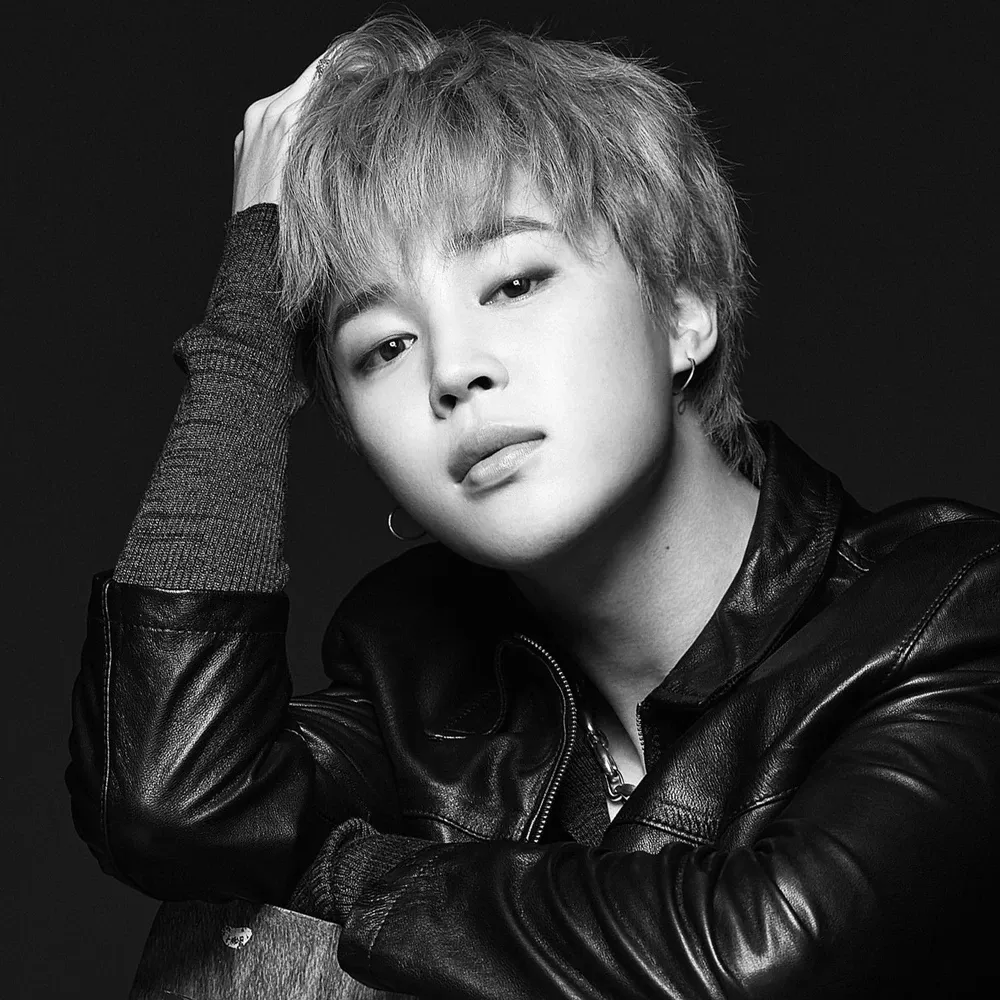
BTS
×
 About group
BTS
BTS (방탄소년단) is a South Korean K-pop group formed by BigHit Music and debuted on June 13, 2013. The group consists of seven members: RM, Jin, SUGA, j-hope, Jimin, V, and Jungkook. Known for their powerful performances, meaningful lyrics, and strong connection with fans, BTS has become one of the most successful and influential music groups in the world. Their music explores themes such as youth, self-discovery, mental health, love, and personal growth, helping them build a dedicated global fanbase known as ARMY.
Since their debut, BTS has achieved record-breaking success across the global music industry with hit songs such as “Dynamite,” “Butter,” “Spring Day,” “Boy With Luv,” and “Fake Love.” The group has earned numerous awards, topped charts in multiple countries, sold millions of albums, and helped introduce K-pop to a broader international audience. Through their artistry, cultural
Tap again to view profile →
Close
’s decision to sit out the 2027 Grammys has reignited questions over
whether a category created to recognize Asian music actually represents the
artists it was meant to celebrate.
About group
BTS
BTS (방탄소년단) is a South Korean K-pop group formed by BigHit Music and debuted on June 13, 2013. The group consists of seven members: RM, Jin, SUGA, j-hope, Jimin, V, and Jungkook. Known for their powerful performances, meaningful lyrics, and strong connection with fans, BTS has become one of the most successful and influential music groups in the world. Their music explores themes such as youth, self-discovery, mental health, love, and personal growth, helping them build a dedicated global fanbase known as ARMY.
Since their debut, BTS has achieved record-breaking success across the global music industry with hit songs such as “Dynamite,” “Butter,” “Spring Day,” “Boy With Luv,” and “Fake Love.” The group has earned numerous awards, topped charts in multiple countries, sold millions of albums, and helped introduce K-pop to a broader international audience. Through their artistry, cultural
Tap again to view profile →
Close
’s decision to sit out the 2027 Grammys has reignited questions over
whether a category created to recognize Asian music actually represents the
artists it was meant to celebrate.
By Cena Haddad
When Recognition Creates Another
Divide
When the Recording Academy announced five new categories for the 69th
Grammy Awards in June, Best Asian Pop Music Performance was presented as
a way to recognize the growing global presence of music coming from Asian
markets.
Recording Academy CEO Harvey Mason Jr. pointed to the “depth, diversity
and extraordinary growth” of Asian pop music when discussing the addition.
But almost immediately, the category raised a complicated question: Does
creating a separate space for Asian music expand representation, or reinforce
the idea that it belongs outside the mainstream?
The eligibility rules only intensified that debate. Recordings must
include the “meaningful use” of at least one Asian language to qualify. A song
performed entirely in English would not be eligible for Best Asian Pop Music
Performance, although it could still be considered elsewhere in the Grammy
field.
That means language is not simply part of the music being celebrated. It
helps determine whether a recording belongs in the category at all.
For BTS
×
About group
BTS
BTS (방탄소년단) is a South Korean K-pop group formed by BigHit Music and debuted on June 13, 2013. The group consists of seven members: RM, Jin, SUGA, j-hope, Jimin, V, and Jungkook. Known for their powerful performances, meaningful lyrics, and strong connection with fans, BTS has become one of the most successful and influential music groups in the world. Their music explores themes such as youth, self-discovery, mental health, love, and personal growth, helping them build a dedicated global fanbase known as ARMY.
Since their debut, BTS has achieved record-breaking success across the global music industry with hit songs such as “Dynamite,” “Butter,” “Spring Day,” “Boy With Luv,” and “Fake Love.” The group has earned numerous awards, topped charts in multiple countries, sold millions of albums, and helped introduce K-pop to a broader international audience. Through their artistry, cultural
Tap again to view profile →
Close
, that distinction appears to have crossed a line.
On July 29, all seven members announced that they would not submit their
music for consideration at the 2027 Grammy Awards. Their objection was not
centered on securing a nomination or demanding a different award. Instead, they
argued for music to be heard and embraced beyond region or language.
In other words, BTS
×
About group
BTS
BTS (방탄소년단) is a South Korean K-pop group formed by BigHit Music and debuted on June 13, 2013. The group consists of seven members: RM, Jin, SUGA, j-hope, Jimin, V, and Jungkook. Known for their powerful performances, meaningful lyrics, and strong connection with fans, BTS has become one of the most successful and influential music groups in the world. Their music explores themes such as youth, self-discovery, mental health, love, and personal growth, helping them build a dedicated global fanbase known as ARMY.
Since their debut, BTS has achieved record-breaking success across the global music industry with hit songs such as “Dynamite,” “Butter,” “Spring Day,” “Boy With Luv,” and “Fake Love.” The group has earned numerous awards, topped charts in multiple countries, sold millions of albums, and helped introduce K-pop to a broader international audience. Through their artistry, cultural
Tap again to view profile →
Close
was not asking the Recording Academy to create a more
suitable category for them.
They were challenging the need to separate their music in the first
place.
The Recording Academy initially defended its approach. Mason expressed
disappointment over BTS
×
About group
BTS
BTS (방탄소년단) is a South Korean K-pop group formed by BigHit Music and debuted on June 13, 2013. The group consists of seven members: RM, Jin, SUGA, j-hope, Jimin, V, and Jungkook. Known for their powerful performances, meaningful lyrics, and strong connection with fans, BTS has become one of the most successful and influential music groups in the world. Their music explores themes such as youth, self-discovery, mental health, love, and personal growth, helping them build a dedicated global fanbase known as ARMY.
Since their debut, BTS has achieved record-breaking success across the global music industry with hit songs such as “Dynamite,” “Butter,” “Spring Day,” “Boy With Luv,” and “Fake Love.” The group has earned numerous awards, topped charts in multiple countries, sold millions of albums, and helped introduce K-pop to a broader international audience. Through their artistry, cultural
Tap again to view profile →
Close
’s decision while maintaining that the new award was
intended to celebrate Asian music rather than isolate it. He also stressed that
qualifying for Best Asian Pop Music Performance would not prevent artists from
competing in other Grammy fields.
But within weeks of BTS
×
About group
BTS
BTS (방탄소년단) is a South Korean K-pop group formed by BigHit Music and debuted on June 13, 2013. The group consists of seven members: RM, Jin, SUGA, j-hope, Jimin, V, and Jungkook. Known for their powerful performances, meaningful lyrics, and strong connection with fans, BTS has become one of the most successful and influential music groups in the world. Their music explores themes such as youth, self-discovery, mental health, love, and personal growth, helping them build a dedicated global fanbase known as ARMY.
Since their debut, BTS has achieved record-breaking success across the global music industry with hit songs such as “Dynamite,” “Butter,” “Spring Day,” “Boy With Luv,” and “Fake Love.” The group has earned numerous awards, topped charts in multiple countries, sold millions of albums, and helped introduce K-pop to a broader international audience. Through their artistry, cultural
Tap again to view profile →
Close
withdrawing, that confidence gave way to
reconsideration.
The Academy began speaking with artists, managers, labels and other
industry stakeholders about the category and how it should operate. Mason later
acknowledged that, “regardless of our intent,” some artists felt the
award did not represent their work in the way they wanted to be represented.
Intent, however, is only one part of representation. The response of the
artists being represented matters too.
And the speed of the Academy’s shift leaves an unavoidable question
hanging over the controversy:
If Best Asian Pop Music Performance was never about BTS
×
About group
BTS
BTS (방탄소년단) is a South Korean K-pop group formed by BigHit Music and debuted on June 13, 2013. The group consists of seven members: RM, Jin, SUGA, j-hope, Jimin, V, and Jungkook. Known for their powerful performances, meaningful lyrics, and strong connection with fans, BTS has become one of the most successful and influential music groups in the world. Their music explores themes such as youth, self-discovery, mental health, love, and personal growth, helping them build a dedicated global fanbase known as ARMY.
Since their debut, BTS has achieved record-breaking success across the global music industry with hit songs such as “Dynamite,” “Butter,” “Spring Day,” “Boy With Luv,” and “Fake Love.” The group has earned numerous awards, topped charts in multiple countries, sold millions of albums, and helped introduce K-pop to a broader international audience. Through their artistry, cultural
Tap again to view profile →
Close
, why did BTS
×
About group
BTS
BTS (방탄소년단) is a South Korean K-pop group formed by BigHit Music and debuted on June 13, 2013. The group consists of seven members: RM, Jin, SUGA, j-hope, Jimin, V, and Jungkook. Known for their powerful performances, meaningful lyrics, and strong connection with fans, BTS has become one of the most successful and influential music groups in the world. Their music explores themes such as youth, self-discovery, mental health, love, and personal growth, helping them build a dedicated global fanbase known as ARMY.
Since their debut, BTS has achieved record-breaking success across the global music industry with hit songs such as “Dynamite,” “Butter,” “Spring Day,” “Boy With Luv,” and “Fake Love.” The group has earned numerous awards, topped charts in multiple countries, sold millions of albums, and helped introduce K-pop to a broader international audience. Through their artistry, cultural
Tap again to view profile →
Close
walking away change the conversation so quickly?
From “K-Pop Is Pop” to a Separate
Asian Category
The controversy becomes even harder to reconcile with the Recording
Academy’s own position just five years ago.
In 2021, when questions arose about whether K-pop should receive its own
Grammy category, the Academy resisted the idea. Bill Freimuth, then the
Recording Academy’s Chief Awards Officer, said conversations with members of
the K-pop community had led to a simple conclusion: K-pop was pop music.
Five years later, that reasoning appears to have changed.
Instead of creating a category specifically for K-pop, the Academy
introduced one encompassing a much broader collection of music from across
Asia, with language playing a direct role in determining eligibility.
That creates problems beyond the debate surrounding BTS
×
About group
BTS
BTS (방탄소년단) is a South Korean K-pop group formed by BigHit Music and debuted on June 13, 2013. The group consists of seven members: RM, Jin, SUGA, j-hope, Jimin, V, and Jungkook. Known for their powerful performances, meaningful lyrics, and strong connection with fans, BTS has become one of the most successful and influential music groups in the world. Their music explores themes such as youth, self-discovery, mental health, love, and personal growth, helping them build a dedicated global fanbase known as ARMY.
Since their debut, BTS has achieved record-breaking success across the global music industry with hit songs such as “Dynamite,” “Butter,” “Spring Day,” “Boy With Luv,” and “Fake Love.” The group has earned numerous awards, topped charts in multiple countries, sold millions of albums, and helped introduce K-pop to a broader international audience. Through their artistry, cultural
Tap again to view profile →
Close
.
K-pop, J-pop, C-pop, Indian pop and the many other music industries
across Asia do not represent a single musical tradition. They encompass
different languages, histories, markets and cultural identities. Grouping them
beneath one label may create another opportunity for Asian artists to receive a
Grammy, but increased representation on a ballot does not automatically answer
whether those artists are being represented accurately.
The Academy has also emphasized that Best Asian Pop Music Performance
does not prevent eligible artists from competing in the General Field or other
genre categories.
Technically, that is true.
But eligibility and placement are not the same thing.
Grammy submissions undergo screening, and the Academy maintains processes
for determining whether recordings have been entered into appropriate fields.
That means artists do not necessarily possess complete control over where their
submissions are ultimately considered.
The existence of a category explicitly called Asian Pop,
particularly one whose eligibility partly depends on language, therefore raises
a larger concern:
Who gets to decide when an artist’s music is simply pop – and when it
becomes “Asian pop”?
That question carries even more weight considering how dramatically Asian
music’s position in the global industry has changed since 2021.
K-pop was already an international phenomenon before BTS
×
About group
BTS
BTS (방탄소년단) is a South Korean K-pop group formed by BigHit Music and debuted on June 13, 2013. The group consists of seven members: RM, Jin, SUGA, j-hope, Jimin, V, and Jungkook. Known for their powerful performances, meaningful lyrics, and strong connection with fans, BTS has become one of the most successful and influential music groups in the world. Their music explores themes such as youth, self-discovery, mental health, love, and personal growth, helping them build a dedicated global fanbase known as ARMY.
Since their debut, BTS has achieved record-breaking success across the global music industry with hit songs such as “Dynamite,” “Butter,” “Spring Day,” “Boy With Luv,” and “Fake Love.” The group has earned numerous awards, topped charts in multiple countries, sold millions of albums, and helped introduce K-pop to a broader international audience. Through their artistry, cultural
Tap again to view profile →
Close
reached its
current stature, but the group helped push Korean music further into the
Western mainstream than any Korean act before them. BTS
×
About group
BTS
BTS (방탄소년단) is a South Korean K-pop group formed by BigHit Music and debuted on June 13, 2013. The group consists of seven members: RM, Jin, SUGA, j-hope, Jimin, V, and Jungkook. Known for their powerful performances, meaningful lyrics, and strong connection with fans, BTS has become one of the most successful and influential music groups in the world. Their music explores themes such as youth, self-discovery, mental health, love, and personal growth, helping them build a dedicated global fanbase known as ARMY.
Since their debut, BTS has achieved record-breaking success across the global music industry with hit songs such as “Dynamite,” “Butter,” “Spring Day,” “Boy With Luv,” and “Fake Love.” The group has earned numerous awards, topped charts in multiple countries, sold millions of albums, and helped introduce K-pop to a broader international audience. Through their artistry, cultural
Tap again to view profile →
Close
topped the Billboard
Hot 100, became Grammy nominees, sold out stadiums and introduced millions of
listeners around the world to Korean music.
Their success was part of a broader expansion that saw Korean and other
Asian artists become increasingly competitive within the global music industry.
And yet, as that music became harder for Western institutions to treat as
peripheral, the Grammys created another category separating it partly by
geography and language.
The contrast is difficult to miss:
In 2021: K-pop was pop.
In 2026: Asian pop needed its own category.
Five years of greater global success somehow resulted in another
institutional distinction.
And that brings the controversy back to BTS
×
About group
BTS
BTS (방탄소년단) is a South Korean K-pop group formed by BigHit Music and debuted on June 13, 2013. The group consists of seven members: RM, Jin, SUGA, j-hope, Jimin, V, and Jungkook. Known for their powerful performances, meaningful lyrics, and strong connection with fans, BTS has become one of the most successful and influential music groups in the world. Their music explores themes such as youth, self-discovery, mental health, love, and personal growth, helping them build a dedicated global fanbase known as ARMY.
Since their debut, BTS has achieved record-breaking success across the global music industry with hit songs such as “Dynamite,” “Butter,” “Spring Day,” “Boy With Luv,” and “Fake Love.” The group has earned numerous awards, topped charts in multiple countries, sold millions of albums, and helped introduce K-pop to a broader international audience. Through their artistry, cultural
Tap again to view profile →
Close
. If their music could already
compete as pop on the world's biggest charts and stages, their refusal to
accept another regional label was not simply about one Grammy category.
It challenged who gets to define their music in the first place.
BTS
×
About group
BTS
BTS (방탄소년단) is a South Korean K-pop group formed by BigHit Music and debuted on June 13, 2013. The group consists of seven members: RM, Jin, SUGA, j-hope, Jimin, V, and Jungkook. Known for their powerful performances, meaningful lyrics, and strong connection with fans, BTS has become one of the most successful and influential music groups in the world. Their music explores themes such as youth, self-discovery, mental health, love, and personal growth, helping them build a dedicated global fanbase known as ARMY.
Since their debut, BTS has achieved record-breaking success across the global music industry with hit songs such as “Dynamite,” “Butter,” “Spring Day,” “Boy With Luv,” and “Fake Love.” The group has earned numerous awards, topped charts in multiple countries, sold millions of albums, and helped introduce K-pop to a broader international audience. Through their artistry, cultural
Tap again to view profile →
Close
Said No. Then the Conversation
Changed.
The Recording Academy has maintained that Best Asian Pop Music
Performance was created to recognize a much broader landscape of Asian music –
not to serve BTS
×
About group
BTS
BTS (방탄소년단) is a South Korean K-pop group formed by BigHit Music and debuted on June 13, 2013. The group consists of seven members: RM, Jin, SUGA, j-hope, Jimin, V, and Jungkook. Known for their powerful performances, meaningful lyrics, and strong connection with fans, BTS has become one of the most successful and influential music groups in the world. Their music explores themes such as youth, self-discovery, mental health, love, and personal growth, helping them build a dedicated global fanbase known as ARMY.
Since their debut, BTS has achieved record-breaking success across the global music industry with hit songs such as “Dynamite,” “Butter,” “Spring Day,” “Boy With Luv,” and “Fake Love.” The group has earned numerous awards, topped charts in multiple countries, sold millions of albums, and helped introduce K-pop to a broader international audience. Through their artistry, cultural
Tap again to view profile →
Close
or any single artist.
That makes what happened after BTS
×
About group
BTS
BTS (방탄소년단) is a South Korean K-pop group formed by BigHit Music and debuted on June 13, 2013. The group consists of seven members: RM, Jin, SUGA, j-hope, Jimin, V, and Jungkook. Known for their powerful performances, meaningful lyrics, and strong connection with fans, BTS has become one of the most successful and influential music groups in the world. Their music explores themes such as youth, self-discovery, mental health, love, and personal growth, helping them build a dedicated global fanbase known as ARMY.
Since their debut, BTS has achieved record-breaking success across the global music industry with hit songs such as “Dynamite,” “Butter,” “Spring Day,” “Boy With Luv,” and “Fake Love.” The group has earned numerous awards, topped charts in multiple countries, sold millions of albums, and helped introduce K-pop to a broader international audience. Through their artistry, cultural
Tap again to view profile →
Close
withdrew particularly striking.
Zeena Koda, a member of the advisory committee for the Recording
Academy’s Gold Music Alliance, pushed back against suggestions that the
category had been designed around major acts like BTS
×
About group
BTS
BTS (방탄소년단) is a South Korean K-pop group formed by BigHit Music and debuted on June 13, 2013. The group consists of seven members: RM, Jin, SUGA, j-hope, Jimin, V, and Jungkook. Known for their powerful performances, meaningful lyrics, and strong connection with fans, BTS has become one of the most successful and influential music groups in the world. Their music explores themes such as youth, self-discovery, mental health, love, and personal growth, helping them build a dedicated global fanbase known as ARMY.
Since their debut, BTS has achieved record-breaking success across the global music industry with hit songs such as “Dynamite,” “Butter,” “Spring Day,” “Boy With Luv,” and “Fake Love.” The group has earned numerous awards, topped charts in multiple countries, sold millions of albums, and helped introduce K-pop to a broader international audience. Through their artistry, cultural
Tap again to view profile →
Close
. Yet following the
group’s decision not to submit, Koda reportedly described the effort as having
been “torn down by one of the biggest Asian artists.”
The contradiction is difficult to overlook.
If BTS
×
About group
BTS
BTS (방탄소년단) is a South Korean K-pop group formed by BigHit Music and debuted on June 13, 2013. The group consists of seven members: RM, Jin, SUGA, j-hope, Jimin, V, and Jungkook. Known for their powerful performances, meaningful lyrics, and strong connection with fans, BTS has become one of the most successful and influential music groups in the world. Their music explores themes such as youth, self-discovery, mental health, love, and personal growth, helping them build a dedicated global fanbase known as ARMY.
Since their debut, BTS has achieved record-breaking success across the global music industry with hit songs such as “Dynamite,” “Butter,” “Spring Day,” “Boy With Luv,” and “Fake Love.” The group has earned numerous awards, topped charts in multiple countries, sold millions of albums, and helped introduce K-pop to a broader international audience. Through their artistry, cultural
Tap again to view profile →
Close
was never central to the category, why was their absence powerful
enough to threaten the effort behind it?
Koda also reportedly criticized BTS
×
About group
BTS
BTS (방탄소년단) is a South Korean K-pop group formed by BigHit Music and debuted on June 13, 2013. The group consists of seven members: RM, Jin, SUGA, j-hope, Jimin, V, and Jungkook. Known for their powerful performances, meaningful lyrics, and strong connection with fans, BTS has become one of the most successful and influential music groups in the world. Their music explores themes such as youth, self-discovery, mental health, love, and personal growth, helping them build a dedicated global fanbase known as ARMY.
Since their debut, BTS has achieved record-breaking success across the global music industry with hit songs such as “Dynamite,” “Butter,” “Spring Day,” “Boy With Luv,” and “Fake Love.” The group has earned numerous awards, topped charts in multiple countries, sold millions of albums, and helped introduce K-pop to a broader international audience. Through their artistry, cultural
Tap again to view profile →
Close
for making their concerns public
rather than continuing discussions privately.
But the category itself was public. So were its eligibility rules. BTS
×
About group
BTS
BTS (방탄소년단) is a South Korean K-pop group formed by BigHit Music and debuted on June 13, 2013. The group consists of seven members: RM, Jin, SUGA, j-hope, Jimin, V, and Jungkook. Known for their powerful performances, meaningful lyrics, and strong connection with fans, BTS has become one of the most successful and influential music groups in the world. Their music explores themes such as youth, self-discovery, mental health, love, and personal growth, helping them build a dedicated global fanbase known as ARMY.
Since their debut, BTS has achieved record-breaking success across the global music industry with hit songs such as “Dynamite,” “Butter,” “Spring Day,” “Boy With Luv,” and “Fake Love.” The group has earned numerous awards, topped charts in multiple countries, sold millions of albums, and helped introduce K-pop to a broader international audience. Through their artistry, cultural
Tap again to view profile →
Close
did not demand its elimination; they publicly decided whether they were willing
to submit their own music for consideration.
More importantly, debating whether BTS
×
About group
BTS
BTS (방탄소년단) is a South Korean K-pop group formed by BigHit Music and debuted on June 13, 2013. The group consists of seven members: RM, Jin, SUGA, j-hope, Jimin, V, and Jungkook. Known for their powerful performances, meaningful lyrics, and strong connection with fans, BTS has become one of the most successful and influential music groups in the world. Their music explores themes such as youth, self-discovery, mental health, love, and personal growth, helping them build a dedicated global fanbase known as ARMY.
Since their debut, BTS has achieved record-breaking success across the global music industry with hit songs such as “Dynamite,” “Butter,” “Spring Day,” “Boy With Luv,” and “Fake Love.” The group has earned numerous awards, topped charts in multiple countries, sold millions of albums, and helped introduce K-pop to a broader international audience. Through their artistry, cultural
Tap again to view profile →
Close
should have voiced their concerns
publicly does little to address the concerns themselves.
The Recording Academy initially appeared prepared to stand behind the
category. Harvey Mason Jr. expressed disappointment over BTS
×
About group
BTS
BTS (방탄소년단) is a South Korean K-pop group formed by BigHit Music and debuted on June 13, 2013. The group consists of seven members: RM, Jin, SUGA, j-hope, Jimin, V, and Jungkook. Known for their powerful performances, meaningful lyrics, and strong connection with fans, BTS has become one of the most successful and influential music groups in the world. Their music explores themes such as youth, self-discovery, mental health, love, and personal growth, helping them build a dedicated global fanbase known as ARMY.
Since their debut, BTS has achieved record-breaking success across the global music industry with hit songs such as “Dynamite,” “Butter,” “Spring Day,” “Boy With Luv,” and “Fake Love.” The group has earned numerous awards, topped charts in multiple countries, sold millions of albums, and helped introduce K-pop to a broader international audience. Through their artistry, cultural
Tap again to view profile →
Close
’s withdrawal while
maintaining that the award was intended to celebrate Asian music, not separate
it from the broader industry.
Then the conversation changed.
Following BTS
×
About group
BTS
BTS (방탄소년단) is a South Korean K-pop group formed by BigHit Music and debuted on June 13, 2013. The group consists of seven members: RM, Jin, SUGA, j-hope, Jimin, V, and Jungkook. Known for their powerful performances, meaningful lyrics, and strong connection with fans, BTS has become one of the most successful and influential music groups in the world. Their music explores themes such as youth, self-discovery, mental health, love, and personal growth, helping them build a dedicated global fanbase known as ARMY.
Since their debut, BTS has achieved record-breaking success across the global music industry with hit songs such as “Dynamite,” “Butter,” “Spring Day,” “Boy With Luv,” and “Fake Love.” The group has earned numerous awards, topped charts in multiple countries, sold millions of albums, and helped introduce K-pop to a broader international audience. Through their artistry, cultural
Tap again to view profile →
Close
’s July 29 announcement, the Academy entered further
discussions with artists, managers, labels and representatives across K-pop,
J-pop, C-pop and Indian music. Representatives from HYBE, BTS
×
About group
BTS
BTS (방탄소년단) is a South Korean K-pop group formed by BigHit Music and debuted on June 13, 2013. The group consists of seven members: RM, Jin, SUGA, j-hope, Jimin, V, and Jungkook. Known for their powerful performances, meaningful lyrics, and strong connection with fans, BTS has become one of the most successful and influential music groups in the world. Their music explores themes such as youth, self-discovery, mental health, love, and personal growth, helping them build a dedicated global fanbase known as ARMY.
Since their debut, BTS has achieved record-breaking success across the global music industry with hit songs such as “Dynamite,” “Butter,” “Spring Day,” “Boy With Luv,” and “Fake Love.” The group has earned numerous awards, topped charts in multiple countries, sold millions of albums, and helped introduce K-pop to a broader international audience. Through their artistry, cultural
Tap again to view profile →
Close
’s label, were
reportedly among those involved.
Suddenly, a category that had already been developed, approved and
publicly announced was back under examination.
Its criteria were being reconsidered. Its structure was being discussed.
Reporting even indicated that eliminating the category altogether had become a
possibility.
And this was happening with the Grammy submission deadline of August
21 quickly approaching.
The timing raises questions about what consultation occurred before the
category was approved. If concerns about language, cultural representation and
the definition of “Asian pop” were substantial enough to warrant
reconsideration now, why were they not resolved before the award was announced?
Mason’s later comments suggest the Academy had begun recognizing that
problem.
After speaking with industry stakeholders, he acknowledged that “regardless
of our intent,” some artists did not believe the category represented the
music they had worked to create in the way they wanted.
That acknowledgement matters because good intentions have been central to
the Academy’s defense.
A category can be created with the intention of increasing representation
and still leave the people it supposedly represents questioning how they have
been categorized.
And that brings the timeline back to BTS
×
About group
BTS
BTS (방탄소년단) is a South Korean K-pop group formed by BigHit Music and debuted on June 13, 2013. The group consists of seven members: RM, Jin, SUGA, j-hope, Jimin, V, and Jungkook. Known for their powerful performances, meaningful lyrics, and strong connection with fans, BTS has become one of the most successful and influential music groups in the world. Their music explores themes such as youth, self-discovery, mental health, love, and personal growth, helping them build a dedicated global fanbase known as ARMY.
Since their debut, BTS has achieved record-breaking success across the global music industry with hit songs such as “Dynamite,” “Butter,” “Spring Day,” “Boy With Luv,” and “Fake Love.” The group has earned numerous awards, topped charts in multiple countries, sold millions of albums, and helped introduce K-pop to a broader international audience. Through their artistry, cultural
Tap again to view profile →
Close
.
Had BTS
×
About group
BTS
BTS (방탄소년단) is a South Korean K-pop group formed by BigHit Music and debuted on June 13, 2013. The group consists of seven members: RM, Jin, SUGA, j-hope, Jimin, V, and Jungkook. Known for their powerful performances, meaningful lyrics, and strong connection with fans, BTS has become one of the most successful and influential music groups in the world. Their music explores themes such as youth, self-discovery, mental health, love, and personal growth, helping them build a dedicated global fanbase known as ARMY.
Since their debut, BTS has achieved record-breaking success across the global music industry with hit songs such as “Dynamite,” “Butter,” “Spring Day,” “Boy With Luv,” and “Fake Love.” The group has earned numerous awards, topped charts in multiple countries, sold millions of albums, and helped introduce K-pop to a broader international audience. Through their artistry, cultural
Tap again to view profile →
Close
submitted ARIRANG without objection, would the Academy be
reconsidering the category with the same urgency?
There is no way to answer that definitively.
What we do know is what happened: the category was announced and
defended; BTS
×
About group
BTS
BTS (방탄소년단) is a South Korean K-pop group formed by BigHit Music and debuted on June 13, 2013. The group consists of seven members: RM, Jin, SUGA, j-hope, Jimin, V, and Jungkook. Known for their powerful performances, meaningful lyrics, and strong connection with fans, BTS has become one of the most successful and influential music groups in the world. Their music explores themes such as youth, self-discovery, mental health, love, and personal growth, helping them build a dedicated global fanbase known as ARMY.
Since their debut, BTS has achieved record-breaking success across the global music industry with hit songs such as “Dynamite,” “Butter,” “Spring Day,” “Boy With Luv,” and “Fake Love.” The group has earned numerous awards, topped charts in multiple countries, sold millions of albums, and helped introduce K-pop to a broader international audience. Through their artistry, cultural
Tap again to view profile →
Close
declined to participate; criticism intensified; and the Recording
Academy began reconsidering its approach.
BTS
×
About group
BTS
BTS (방탄소년단) is a South Korean K-pop group formed by BigHit Music and debuted on June 13, 2013. The group consists of seven members: RM, Jin, SUGA, j-hope, Jimin, V, and Jungkook. Known for their powerful performances, meaningful lyrics, and strong connection with fans, BTS has become one of the most successful and influential music groups in the world. Their music explores themes such as youth, self-discovery, mental health, love, and personal growth, helping them build a dedicated global fanbase known as ARMY.
Since their debut, BTS has achieved record-breaking success across the global music industry with hit songs such as “Dynamite,” “Butter,” “Spring Day,” “Boy With Luv,” and “Fake Love.” The group has earned numerous awards, topped charts in multiple countries, sold millions of albums, and helped introduce K-pop to a broader international audience. Through their artistry, cultural
Tap again to view profile →
Close
never demanded that Best Asian Pop Music Performance disappear.
They said no. The institution started reconsidering afterward.
Accountability, Backlash and the
“Bullying” Debate
As debate surrounding Best Asian Pop Music Performance intensified, the
controversy expanded beyond the category itself to include some of the people
connected to the effort behind it.
The Recording Academy publicly defended volunteers associated with the
Gold Music Alliance, saying they had been “bullied and threatened”
online by people who believed they were responsible for creating the new award.
The Academy emphasized that volunteers do not independently approve Grammy
categories, which instead move through its formal Awards & Nominations
process.
Any genuine threats should be condemned. But threats and criticism are
not interchangeable, and neither are harassment and public accountability.
That distinction becomes particularly relevant in the case of Zeena Koda.
Koda, a member of the advisory committee for the Recording Academy’s Gold
Music Alliance, publicly described herself as “one of the people pushing to
gain a category on the committee.”
That does not mean Koda possessed final authority over whether Best Asian
Pop Music Performance was approved. It does, however, establish that questions
surrounding her involvement were not based on an invented association with the
effort.
The Academy ultimately held the authority to approve the category, but
that does not erase the roles of people who advocated for greater Asian
representation or participated in the discussions surrounding how that
representation should take shape.
Those roles – and public comments made about them – remain open to
legitimate scrutiny.
The larger issue is not about assigning one individual responsibility for
the entire category. It is about understanding how a category intended to
represent an enormous range of Asian artists reached the approval stage while
fundamental questions about language, identity and genre remained unresolved.
Who participated in shaping the proposal?
Which artists and industry representatives were consulted?
How was the language requirement determined?
And if the Recording Academy is now conducting further conversations to
determine whether the category represents those artists appropriately, why
were those concerns not sufficiently addressed before the award was announced?
Those are legitimate questions for a public institution and the people
involved in advocating for change within it.
Calling every form of scrutiny “bullying” risks collapsing an important
distinction.
Threats deserve condemnation. Accountability does not.
When Saying No Becomes Its Own Kind of
Power
For years, BTS
×
About group
BTS
BTS (방탄소년단) is a South Korean K-pop group formed by BigHit Music and debuted on June 13, 2013. The group consists of seven members: RM, Jin, SUGA, j-hope, Jimin, V, and Jungkook. Known for their powerful performances, meaningful lyrics, and strong connection with fans, BTS has become one of the most successful and influential music groups in the world. Their music explores themes such as youth, self-discovery, mental health, love, and personal growth, helping them build a dedicated global fanbase known as ARMY.
Since their debut, BTS has achieved record-breaking success across the global music industry with hit songs such as “Dynamite,” “Butter,” “Spring Day,” “Boy With Luv,” and “Fake Love.” The group has earned numerous awards, topped charts in multiple countries, sold millions of albums, and helped introduce K-pop to a broader international audience. Through their artistry, cultural
Tap again to view profile →
Close
made no secret of wanting a Grammy.
They attended the ceremony, performed on its stage, earned multiple
nominations and spoke openly about hoping to win. The award mattered to them.
But wanting recognition and needing it are two very different things.
BTS
×
About group
BTS
BTS (방탄소년단) is a South Korean K-pop group formed by BigHit Music and debuted on June 13, 2013. The group consists of seven members: RM, Jin, SUGA, j-hope, Jimin, V, and Jungkook. Known for their powerful performances, meaningful lyrics, and strong connection with fans, BTS has become one of the most successful and influential music groups in the world. Their music explores themes such as youth, self-discovery, mental health, love, and personal growth, helping them build a dedicated global fanbase known as ARMY.
Since their debut, BTS has achieved record-breaking success across the global music industry with hit songs such as “Dynamite,” “Butter,” “Spring Day,” “Boy With Luv,” and “Fake Love.” The group has earned numerous awards, topped charts in multiple countries, sold millions of albums, and helped introduce K-pop to a broader international audience. Through their artistry, cultural
Tap again to view profile →
Close
returned from military service in 2026 as artists whose cultural and
commercial influence had already expanded far beyond the institutions that once
held the power to validate their success in Western music.
Then came ARIRANG.
The album entered this Grammy cycle with considerable critical
recognition, appearing on midyear lists from publications including Rolling
Stone, NME, Complex and The Telegraph. BTS
×
About group
BTS
BTS (방탄소년단) is a South Korean K-pop group formed by BigHit Music and debuted on June 13, 2013. The group consists of seven members: RM, Jin, SUGA, j-hope, Jimin, V, and Jungkook. Known for their powerful performances, meaningful lyrics, and strong connection with fans, BTS has become one of the most successful and influential music groups in the world. Their music explores themes such as youth, self-discovery, mental health, love, and personal growth, helping them build a dedicated global fanbase known as ARMY.
Since their debut, BTS has achieved record-breaking success across the global music industry with hit songs such as “Dynamite,” “Butter,” “Spring Day,” “Boy With Luv,” and “Fake Love.” The group has earned numerous awards, topped charts in multiple countries, sold millions of albums, and helped introduce K-pop to a broader international audience. Through their artistry, cultural
Tap again to view profile →
Close
was not walking away at a moment
when their music had stopped attracting attention.
They were walking away while ARIRANG was being celebrated.
That changes the significance of their decision.
For much of BTS
×
About group
BTS
BTS (방탄소년단) is a South Korean K-pop group formed by BigHit Music and debuted on June 13, 2013. The group consists of seven members: RM, Jin, SUGA, j-hope, Jimin, V, and Jungkook. Known for their powerful performances, meaningful lyrics, and strong connection with fans, BTS has become one of the most successful and influential music groups in the world. Their music explores themes such as youth, self-discovery, mental health, love, and personal growth, helping them build a dedicated global fanbase known as ARMY.
Since their debut, BTS has achieved record-breaking success across the global music industry with hit songs such as “Dynamite,” “Butter,” “Spring Day,” “Boy With Luv,” and “Fake Love.” The group has earned numerous awards, topped charts in multiple countries, sold millions of albums, and helped introduce K-pop to a broader international audience. Through their artistry, cultural
Tap again to view profile →
Close
’s history with the Grammys, the question was whether the
Recording Academy would eventually give the group an award they had openly
wanted.
In 2026, BTS
×
About group
BTS
BTS (방탄소년단) is a South Korean K-pop group formed by BigHit Music and debuted on June 13, 2013. The group consists of seven members: RM, Jin, SUGA, j-hope, Jimin, V, and Jungkook. Known for their powerful performances, meaningful lyrics, and strong connection with fans, BTS has become one of the most successful and influential music groups in the world. Their music explores themes such as youth, self-discovery, mental health, love, and personal growth, helping them build a dedicated global fanbase known as ARMY.
Since their debut, BTS has achieved record-breaking success across the global music industry with hit songs such as “Dynamite,” “Butter,” “Spring Day,” “Boy With Luv,” and “Fake Love.” The group has earned numerous awards, topped charts in multiple countries, sold millions of albums, and helped introduce K-pop to a broader international audience. Through their artistry, cultural
Tap again to view profile →
Close
demonstrated that there was another question worth asking:
What happens when the artist decides the recognition is no longer worth
accepting on someone else’s terms?
BTS
×
About group
BTS
BTS (방탄소년단) is a South Korean K-pop group formed by BigHit Music and debuted on June 13, 2013. The group consists of seven members: RM, Jin, SUGA, j-hope, Jimin, V, and Jungkook. Known for their powerful performances, meaningful lyrics, and strong connection with fans, BTS has become one of the most successful and influential music groups in the world. Their music explores themes such as youth, self-discovery, mental health, love, and personal growth, helping them build a dedicated global fanbase known as ARMY.
Since their debut, BTS has achieved record-breaking success across the global music industry with hit songs such as “Dynamite,” “Butter,” “Spring Day,” “Boy With Luv,” and “Fake Love.” The group has earned numerous awards, topped charts in multiple countries, sold millions of albums, and helped introduce K-pop to a broader international audience. Through their artistry, cultural
Tap again to view profile →
Close
did not call for an industry-wide boycott. They did not ask other
Asian artists to reject the category, nor did they demand that the Recording
Academy eliminate it.
They simply withheld their own participation.
What followed gave that choice considerably more weight.
A category that had already been announced and defended returned to
industry discussions. Its criteria and structure came under renewed
examination, and Mason acknowledged that some artists did not feel represented
by what the Academy had created.
Whatever ultimately happens to Best Asian Pop Music Performance, BTS
×
About group
BTS
BTS (방탄소년단) is a South Korean K-pop group formed by BigHit Music and debuted on June 13, 2013. The group consists of seven members: RM, Jin, SUGA, j-hope, Jimin, V, and Jungkook. Known for their powerful performances, meaningful lyrics, and strong connection with fans, BTS has become one of the most successful and influential music groups in the world. Their music explores themes such as youth, self-discovery, mental health, love, and personal growth, helping them build a dedicated global fanbase known as ARMY.
Since their debut, BTS has achieved record-breaking success across the global music industry with hit songs such as “Dynamite,” “Butter,” “Spring Day,” “Boy With Luv,” and “Fake Love.” The group has earned numerous awards, topped charts in multiple countries, sold millions of albums, and helped introduce K-pop to a broader international audience. Through their artistry, cultural
Tap again to view profile →
Close
’s
withdrawal demonstrated something larger about the relationship between artists
and the institutions that recognize them.
An award can confer prestige. It cannot manufacture cultural
significance.
The Grammys decide who receives a Grammy. They do not decide which
artists can fill stadiums, cross linguistic and cultural boundaries, influence
other musicians or build audiences large enough to reshape the global music
industry.
And they cannot make an artist submit.
That distinction matters because the relationship between BTS
×
About group
BTS
BTS (방탄소년단) is a South Korean K-pop group formed by BigHit Music and debuted on June 13, 2013. The group consists of seven members: RM, Jin, SUGA, j-hope, Jimin, V, and Jungkook. Known for their powerful performances, meaningful lyrics, and strong connection with fans, BTS has become one of the most successful and influential music groups in the world. Their music explores themes such as youth, self-discovery, mental health, love, and personal growth, helping them build a dedicated global fanbase known as ARMY.
Since their debut, BTS has achieved record-breaking success across the global music industry with hit songs such as “Dynamite,” “Butter,” “Spring Day,” “Boy With Luv,” and “Fake Love.” The group has earned numerous awards, topped charts in multiple countries, sold millions of albums, and helped introduce K-pop to a broader international audience. Through their artistry, cultural
Tap again to view profile →
Close
and the
Grammys once seemed to place most of the power on one side: BTS
×
About group
BTS
BTS (방탄소년단) is a South Korean K-pop group formed by BigHit Music and debuted on June 13, 2013. The group consists of seven members: RM, Jin, SUGA, j-hope, Jimin, V, and Jungkook. Known for their powerful performances, meaningful lyrics, and strong connection with fans, BTS has become one of the most successful and influential music groups in the world. Their music explores themes such as youth, self-discovery, mental health, love, and personal growth, helping them build a dedicated global fanbase known as ARMY.
Since their debut, BTS has achieved record-breaking success across the global music industry with hit songs such as “Dynamite,” “Butter,” “Spring Day,” “Boy With Luv,” and “Fake Love.” The group has earned numerous awards, topped charts in multiple countries, sold millions of albums, and helped introduce K-pop to a broader international audience. Through their artistry, cultural
Tap again to view profile →
Close
could submit,
perform and hope to win, while the Recording Academy decided whether that
recognition would come.
This time, BTS
×
About group
BTS
BTS (방탄소년단) is a South Korean K-pop group formed by BigHit Music and debuted on June 13, 2013. The group consists of seven members: RM, Jin, SUGA, j-hope, Jimin, V, and Jungkook. Known for their powerful performances, meaningful lyrics, and strong connection with fans, BTS has become one of the most successful and influential music groups in the world. Their music explores themes such as youth, self-discovery, mental health, love, and personal growth, helping them build a dedicated global fanbase known as ARMY.
Since their debut, BTS has achieved record-breaking success across the global music industry with hit songs such as “Dynamite,” “Butter,” “Spring Day,” “Boy With Luv,” and “Fake Love.” The group has earned numerous awards, topped charts in multiple countries, sold millions of albums, and helped introduce K-pop to a broader international audience. Through their artistry, cultural
Tap again to view profile →
Close
made a decision first.
They walked away.
The controversy that followed is therefore bigger than whether one
category survives in its current form. It asks whether global artists must
continue being filtered through regional labels in order for Western
institutions to recognize them – or whether those institutions need to
reconsider how they define “global” music in the first place.
If the Recording Academy wants Asian artists to feel “seen and heard,”
listening cannot begin only once those artists reject the terms being offered
to them.
It needs to happen before categories are approved, before eligibility
rules are established and before institutions decide how artists from vastly
different cultures should be grouped together.
BTS
×
About group
BTS
BTS (방탄소년단) is a South Korean K-pop group formed by BigHit Music and debuted on June 13, 2013. The group consists of seven members: RM, Jin, SUGA, j-hope, Jimin, V, and Jungkook. Known for their powerful performances, meaningful lyrics, and strong connection with fans, BTS has become one of the most successful and influential music groups in the world. Their music explores themes such as youth, self-discovery, mental health, love, and personal growth, helping them build a dedicated global fanbase known as ARMY.
Since their debut, BTS has achieved record-breaking success across the global music industry with hit songs such as “Dynamite,” “Butter,” “Spring Day,” “Boy With Luv,” and “Fake Love.” The group has earned numerous awards, topped charts in multiple countries, sold millions of albums, and helped introduce K-pop to a broader international audience. Through their artistry, cultural
Tap again to view profile →
Close
’s position was ultimately much simpler than the controversy
surrounding it:
Music should be heard beyond region or language.
They were not asking the Recording Academy to create a better category
for them.
They were asking to be recognized first and foremost as artists – not
defined by the region or language attached to their music.
And that may be the most revealing part of what happened next.
For years, the question surrounding BTS
×
About group
BTS
BTS (방탄소년단) is a South Korean K-pop group formed by BigHit Music and debuted on June 13, 2013. The group consists of seven members: RM, Jin, SUGA, j-hope, Jimin, V, and Jungkook. Known for their powerful performances, meaningful lyrics, and strong connection with fans, BTS has become one of the most successful and influential music groups in the world. Their music explores themes such as youth, self-discovery, mental health, love, and personal growth, helping them build a dedicated global fanbase known as ARMY.
Since their debut, BTS has achieved record-breaking success across the global music industry with hit songs such as “Dynamite,” “Butter,” “Spring Day,” “Boy With Luv,” and “Fake Love.” The group has earned numerous awards, topped charts in multiple countries, sold millions of albums, and helped introduce K-pop to a broader international audience. Through their artistry, cultural
Tap again to view profile →
Close
and the Grammys was whether the
Recording Academy would finally give them the award they openly wanted.
This time, BTS
×
About group
BTS
BTS (방탄소년단) is a South Korean K-pop group formed by BigHit Music and debuted on June 13, 2013. The group consists of seven members: RM, Jin, SUGA, j-hope, Jimin, V, and Jungkook. Known for their powerful performances, meaningful lyrics, and strong connection with fans, BTS has become one of the most successful and influential music groups in the world. Their music explores themes such as youth, self-discovery, mental health, love, and personal growth, helping them build a dedicated global fanbase known as ARMY.
Since their debut, BTS has achieved record-breaking success across the global music industry with hit songs such as “Dynamite,” “Butter,” “Spring Day,” “Boy With Luv,” and “Fake Love.” The group has earned numerous awards, topped charts in multiple countries, sold millions of albums, and helped introduce K-pop to a broader international audience. Through their artistry, cultural
Tap again to view profile →
Close
chose to walk away before the Academy could answer.
Perhaps the balance has shifted enough that the bigger question is no
longer what a Grammy could give BTS
×
About group
BTS
BTS (방탄소년단) is a South Korean K-pop group formed by BigHit Music and debuted on June 13, 2013. The group consists of seven members: RM, Jin, SUGA, j-hope, Jimin, V, and Jungkook. Known for their powerful performances, meaningful lyrics, and strong connection with fans, BTS has become one of the most successful and influential music groups in the world. Their music explores themes such as youth, self-discovery, mental health, love, and personal growth, helping them build a dedicated global fanbase known as ARMY.
Since their debut, BTS has achieved record-breaking success across the global music industry with hit songs such as “Dynamite,” “Butter,” “Spring Day,” “Boy With Luv,” and “Fake Love.” The group has earned numerous awards, topped charts in multiple countries, sold millions of albums, and helped introduce K-pop to a broader international audience. Through their artistry, cultural
Tap again to view profile →
Close
– but what the Grammys lose when artists
with BTS
×
About group
BTS
BTS (방탄소년단) is a South Korean K-pop group formed by BigHit Music and debuted on June 13, 2013. The group consists of seven members: RM, Jin, SUGA, j-hope, Jimin, V, and Jungkook. Known for their powerful performances, meaningful lyrics, and strong connection with fans, BTS has become one of the most successful and influential music groups in the world. Their music explores themes such as youth, self-discovery, mental health, love, and personal growth, helping them build a dedicated global fanbase known as ARMY.
Since their debut, BTS has achieved record-breaking success across the global music industry with hit songs such as “Dynamite,” “Butter,” “Spring Day,” “Boy With Luv,” and “Fake Love.” The group has earned numerous awards, topped charts in multiple countries, sold millions of albums, and helped introduce K-pop to a broader international audience. Through their artistry, cultural
Tap again to view profile →
Close
’s influence decide they no longer need its recognition.