✨ KpopAngel Original🗓️ Nov 21, 2026, 4:30 AM UTC⏱️ 5 min read👀 5 views💬 0
Reading size
Key takeaways
Quick summary
1Has the magic in K-dramas faded, or have our expectations changed?
2A look at why current K-dramas don’t hit us the same way anymore.
K-dramas are having a good run. Major platforms are investing in them, esteemed actors are returning to the screen, writers and directors are joining forces, and there is a steady stream of new releases. But I think I speak for many when I say that they just don’t feel the same anymore.
This isn’t to say that there haven’t been promising shows. However, there seems to be a growing number of fans who feel that K-dramas no longer hit the same way. Many are dropping shows after the first few episodes, while others are left disappointed by the endings. There’s a growing disconnect between what’s being released and what audiences are enjoying. And perhaps it’s time to ask why.
Perfect On Paper, But Not Quite Authentic
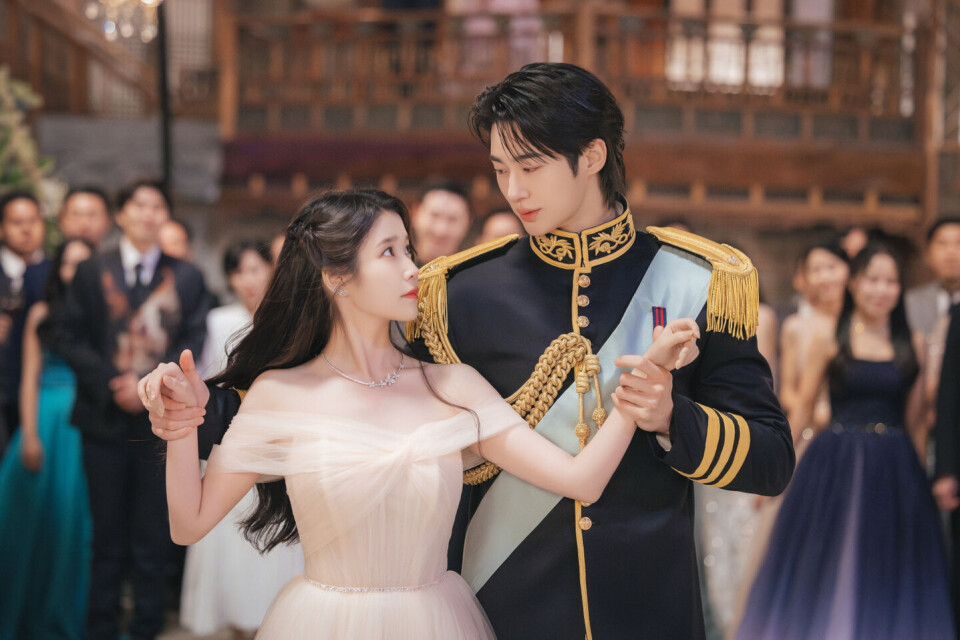
Earlier K-dramas had their fair share of toxic characters, but what the genre also came to be known for was its soft, caring leads, especially male characters who presented a different kind of masculinity on screen. They weren’t perfect, but their affection and care felt more authentic. Compare that to today, where characters seem to tick every green-flag box, almost as if they’re following a checklist to be fulfilled rather than as a natural act of love.
These characters showed love in different ways. Jung Joon Hyung from Weightlifting Fairy Kim Bok Joo was completely different from Ri Jeong Hyeok from Crash Landing On You, yet both were considered green flags. But in recent shows, the romantic gestures often feel strikingly similar, with familiar behaviours and actions repeated across dramas to establish them as the ‘ultimate boyfriend’. As a result, what should feel like genuine romantic gestures comes across as performed rather than an authentic way of showing love.
Is The 12-Episode Format Ruining Dramas?
On one side, we have the rise of micro-dramas. On the other, there’s a growing call for the return of 16-episode dramas. Although, if we’re being honest, many current dramas barely seem to have enough depth or story to sustain 16 episodes. Well, the last two episodes of K-dramas were always filler episodes, but we still watched because we were emotionally invested in the characters. The same cannot always be said for current dramas.
But perhaps the issue isn’t just the episode count. I think what people are really missing is the room for stories to develop. The growing number of abandoned subplots is a case in point. Shows introduce us to wonderful characters, interesting dynamics and promising storylines, only for all of it to be abandoned midway because the show is nearing its end and there’s no time to develop them. There seems to be more emphasis on creating cinematic moments that might look good in Instagram edits than on investing time in a subplot introduced earlier.
Where Are The Side Characters?
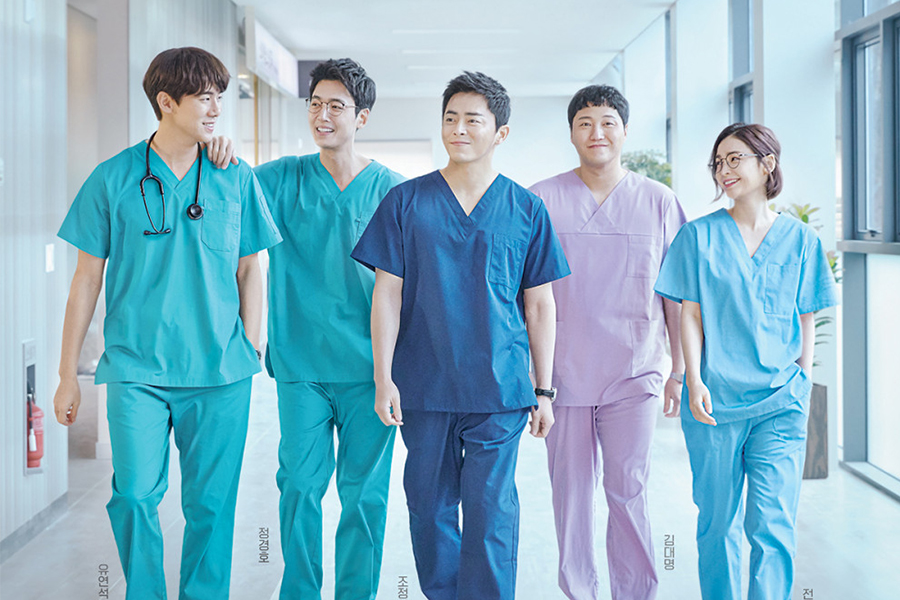
And this brings us to another thing that made older K-dramas so memorable: their supporting characters. K-dramas were defined by their second leads, secretaries and wonderful side characters. Who didn’t cry when the squad reunited with Yoon Se Ri in South Korea? I cannot think of the last drama I watched with a memorable second lead or one that gave enough time and a storyline to characters beyond the main leads. Whenever I rewatch shows like Reply 1988 or Hospital Playlist, I’m amazed at how they managed to make me remember and root for every single character in the show.
Global Vs Korean Audiences
After the pandemic, the Korean entertainment industry went through a huge change. No one can deny that. Expecting such a massive surge in visibility not to have an impact on the industry and its storytelling would be impractical. But what won over global audiences in the first place was a new culture, a different way of storytelling and a perspective that felt unfamiliar yet compelling to viewers outside Korea.
However, a lot of today’s shows seem to be caught between deciding who their audience really is. In an effort to win over everyone, there’s a growing lack of the cultural rootedness that made the industry stand out in the first place. Perhaps global visibility should have encouraged more nuanced and thoughtful representation of other cultures, rather than changing what made these stories distinctly Korean.
Have Our Expectations Changed?
Of course, it’s also worth considering whether K-dramas have actually lost their spark or whether we, as audiences, have changed. Has the industry reached a level of saturation where we simply want something new? I do think that, in fact, we have changed.
We do need more than a chaebol flex, high production sets or a slick action scene. Our expectations have evolved, and perhaps we’ve become more selective about the stories we want to invest our time in. But at the same time, I refuse to believe that if Twinkling Watermelon released today, it wouldn’t be one of the most talked-about and loved shows. Good stories will always find it's way and what we now lack is that.
The Role Of OTT Platforms
OTT platforms, especially the mainstream ones, and the money behind these shows are definitely a huge factor.
While we can now easily access K-dramas with subtitles, the entry of global streaming giants has brought about a massive shift in how K-dramas are made and, more importantly, who they are made for. Park Hae Young, the writer behind shows like My Liberation Notes and My Mister, has spoken about how assistant writers, are losing their jobs. These things cannot be separated when we talk about storytelling and the quality of dramas. The way an industry is funded, the people who get to tell its stories and the creative freedom they have all play a part in what eventually makes it to our screens.
So, the answer is probably a combination of various factors coming together. The industry has grown, its audience has expanded and the way dramas are made has changed. Expecting K-dramas to remain exactly the same and deliver hit after hit is unrealistic. And maybe they do need to change. But maybe that change should be for the better?