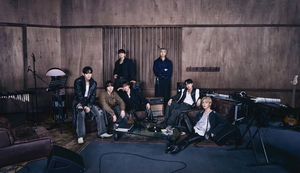
BTS at SoFi Prove Their Return as Seven Was Worth the Wait
Key takeaways
Quick summary- 1A review of BTS’s return to Los Angeles as seven, highlighting their live vocals, choreography, stage presence and connection with ARMY at SoFi Stadium.
BTS perform as seven at SoFi Stadium in Los Angeles.
On the opening night of their Los Angeles run, BTS
×
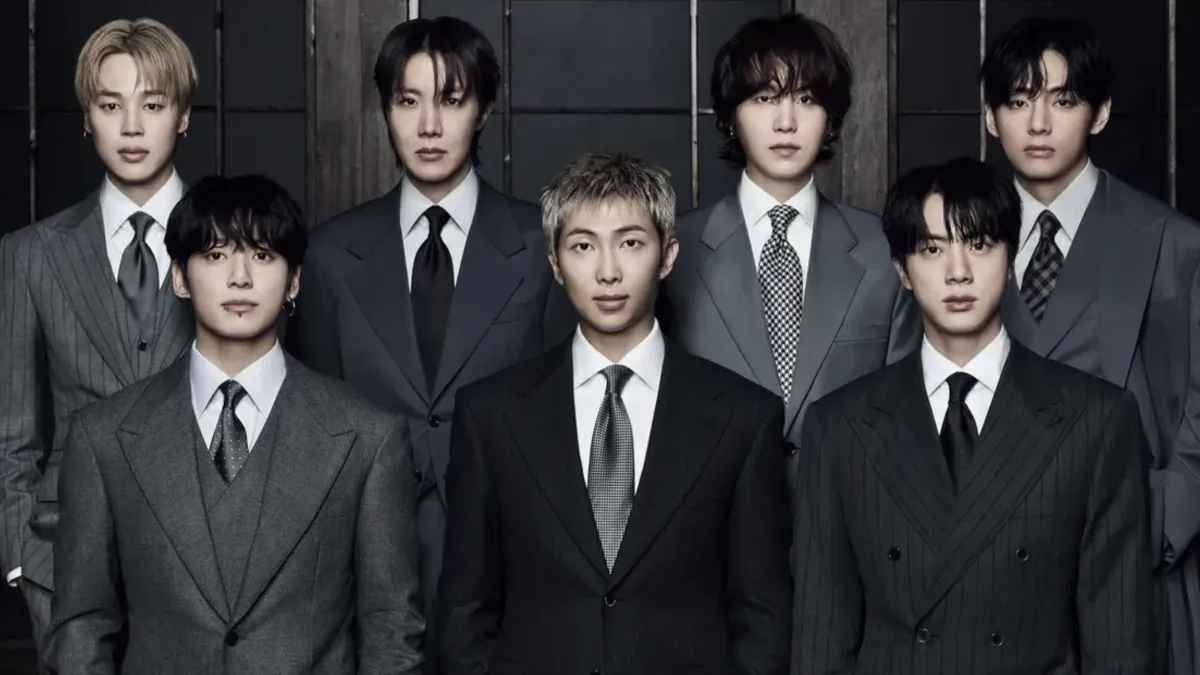 paired stadium-scale
production with the vocal precision, chemistry and audience connection that
make their concerts feel personal.
By Cena Haddad
After years of military enlistments, solo eras and
anticipation surrounding their reunion, BTS returned to Los Angeles as seven
with a show built to answer an enormous question: could the reality of their
comeback match everything audiences had projected onto it? On September 1 at
SoFi Stadium, the answer arrived before there was time to overthink it.
Seven silhouettes appeared, the opening pulse of “Hooligan”
hit, and SoFi erupted. The song was an aggressive choice for an opener, and
inside the stadium its pounding production became physical. When BTS reached
its almost maniacal refrain, tens of thousands of voices screamed
“HAHAHAHAHAHAHAHAHAHA, HOOLIGAN” back at them. It was chaotic, exhilarating and
immediately effective.
That opening established the central strength of the
concert. BTS had every tool available for a stadium spectacle – towering
screens, shifting visuals, elaborate choreography, dancers, bursts of pyro and
a stage designed to fill an enormous field of view – but the production never
became the main event. It magnified the performers rather than hiding them.
Even at SoFi scale, BTS remained the clearest point of focus.
The night worked because the group treated the stadium not
as a room to overpower, but as an audience to involve. The production created
size. BTS created connection.
Seven Voices at Stadium Scale
The most convincing evidence of BTS’s return was also the
simplest: they sounded excellent.
My brother, who came to the show without years of BTS history shaping his expectations, turned to me at one point in disbelief. “It’s crazy how they sound exactly the same live as they do on the album – even better, honestly.” I gave him the standard ARMY explanation: BTS eat CDs for breakfast. The phrase is ridiculous. By that point, it was also difficult to dispute.
BTS have always been built around contrast. Their seven
voices differ in color, range and delivery, and the concert allowed those
differences to remain distinct without compromising the group sound. “Like
Animals” was one of the clearest examples. Its harmonies felt fuller live, with
individual voices folding into one another while remaining immediately
recognizable. The performance impressed not because it chased one oversized
vocal climax, but because of how controlled and balanced it sounded from beginning
to end.
“Please” placed even greater emphasis on their voices, while
“Merry Go Round” demonstrated how easily BTS could pull the energy inward.
After commanding a vast stage through heavier material, they made the same
stadium feel unexpectedly intimate. Those shifts gave the set dimension and
kept its size from becoming monotonous.
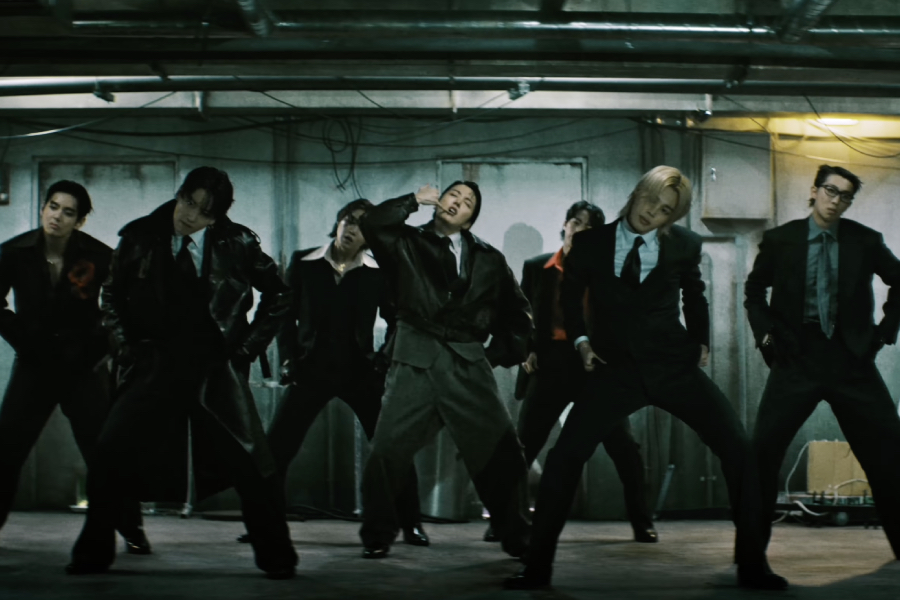
The physical demands of “Run BTS” and “2.0” made the vocal
stability more striking. “Run BTS” remains one of the group’s strongest live
showcases: the movements were sharp and synchronized without appearing
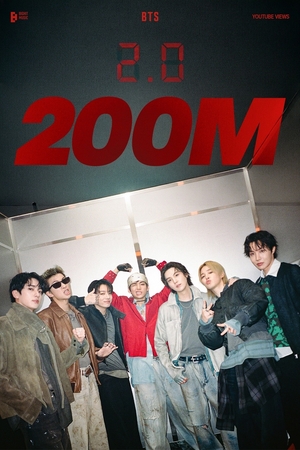
mechanical, and the choreography amplified the track’s urgency. “2.0” carried
similar force, pairing relentless movement with the kind of vocal control that
makes the workload look easier than it is.
That effort was visible without ever reading as strain. BTS
moved between singing, rapping and choreography with a level of stamina that
kept the show’s opening stretch from losing momentum. They performed not like a
group attempting to prove it could still fill SoFi, but like one that already
understood exactly what it could do there.
A Catalog Built on Contrast
The setlist drew heavily from ARIRANG while using older
songs to connect the reunion to the group’s history. Rather than separating the
new era from everything that came before it, BTS presented the catalog as a
continuum.
“MIC Drop” was a natural stadium highlight. Its swagger
expanded onstage, but the performance never felt like seven artists trying to
persuade the crowd of their confidence. During the song, RM
×
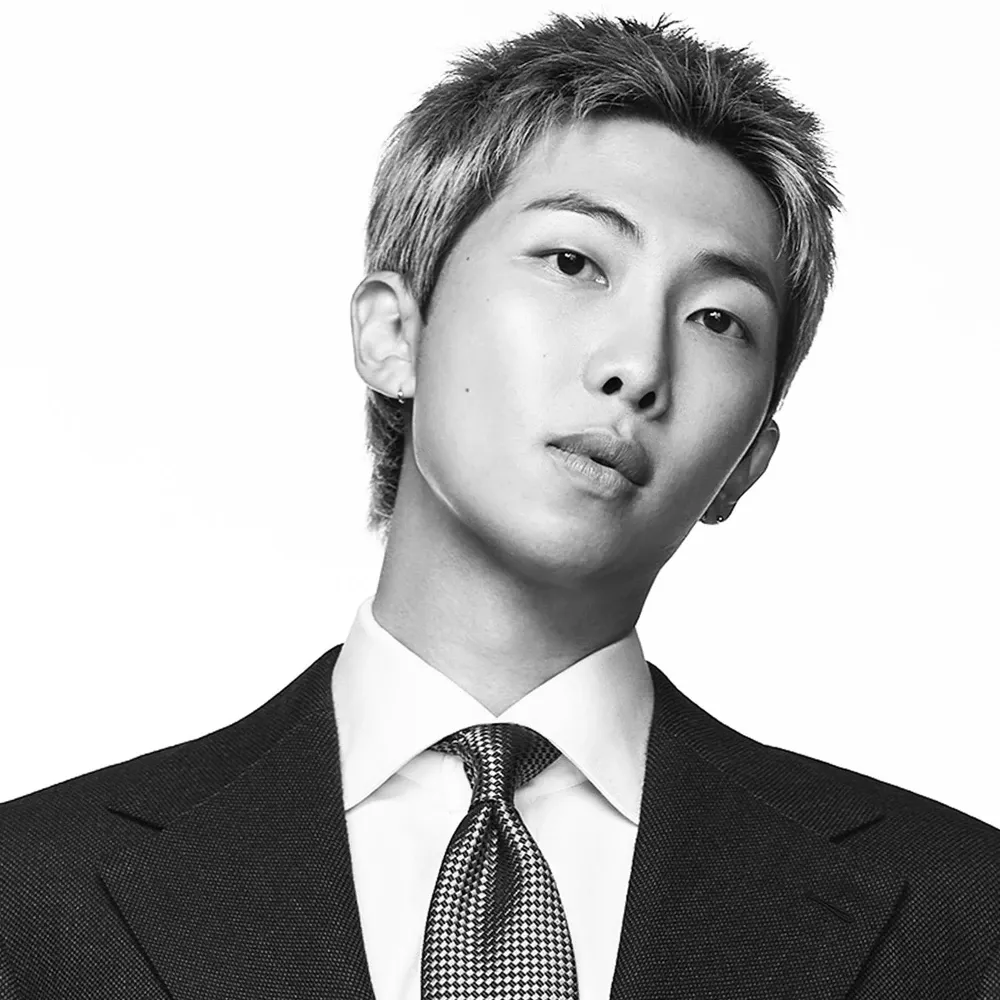 slipped a quick
“JK, happy birthday!” into the performance in recognition of Jungkook
×
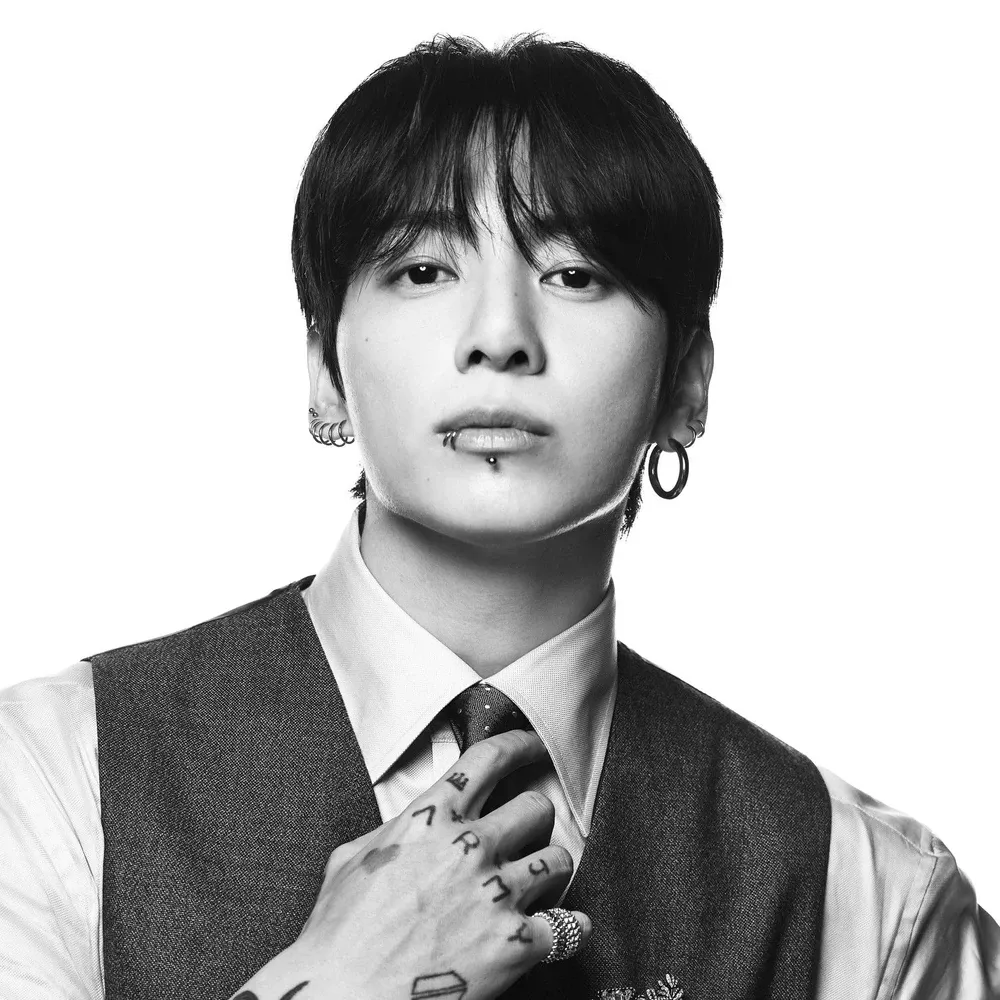 ’s
September 1 birthday. The members smiled, the crowd reacted and the song kept
moving. It lasted only seconds, which was exactly why it felt genuine.
“Not Today” carried a different kind of weight. Once one of
my favorite BTS tracks and one of the first I learned completely in Korean, it
still sounded built for collective release. Later, “FYA” and “Fire” pushed that
release into pure adrenaline, producing one of the loudest stretches of the
night.
When “Boy in Luv” arrived late in a set dominated by
ARIRANG, it sent the stadium backward through more than a decade of BTS
history. The surprise did more than generate nostalgia. It showed how much the
group’s performance identity has evolved while preserving the intensity that
defined its earliest work.
The transitions among these songs were not always subtle,
but subtlety was rarely the point. BTS used contrast as pacing: aggression gave
way to vocal restraint, tightly controlled choreography loosened into play, and
reflective songs opened into familiar pop releases. Even when the show moved
quickly between moods, the members’ presence kept it coherent.
ARMY Was Part of the Performance
A BTS concert cannot be evaluated only by what happens
onstage because the audience is part of the arrangement. Fanchants, responses
and light projects are not decoration around the performance. They shape its
rhythm.
“Hooligan” established that relationship immediately. The
“FAKE LOVE” fanchant later tore through SoFi with similar force, thousands of
people shouting the members’ names in sequence and filling the spaces BTS
deliberately left open. During “IDOL,” the members brought the energy outward,
moving across the floor and interacting with the crowd. BTS initiated, ARMY
answered and the group responded to the answer.
“Aliens” gave that relationship cultural weight. RM has
described the song’s development around the idea of being outsiders, including
BTS’s experience entering spaces where Korean artists could be treated as
foreign. At SoFi, seven Korean performers stood at the center of an American
stadium while an audience drawn from different cultures shouted the song back
to them.
“Body to Body” was even more effective. The song
incorporates the melody of “Arirang,” one of Korea’s most recognizable
traditional folk songs, into a contemporary BTS track. Hearing that melody
alongside pop, hip-hop, choreography and stadium production showed that BTS’s
Korean identity is not a side note to their international success. When SoFi
joined in, people from countless backgrounds met BTS within that identity
rather than asking the group to leave it behind.
“NORMAL” offered a quieter version of the same exchange. The
song wrestles with what normalcy can mean for artists living between intense
adoration and scrutiny before turning toward the people who remain. Live, its
central question felt direct: after the uncertainty and the years apart, would
the audience still be there? SoFi’s response was unmistakable.
Precision Gives Way to Chemistry
For all the technical precision on display, some of the
concert’s most revealing moments came when the structure loosened.
During “Butter” and “Dynamite,” the performances remained
polished, but the members moved around one another with more freedom, laughing
and playing across the stage. For a few minutes, it felt less like watching
seven people manage the responsibility of a stadium production and more like
watching seven people enjoy sharing a stage again.
That chemistry cannot be manufactured through scale. Giant
screens can make facial expressions visible, but they cannot create the ease
behind a glance, an ad-lib or one member laughing because another has done
something unexpected. Those small interactions made SoFi feel human.
My brother’s reactions became a useful measure of that
effect. He arrived without memories attached to the catalog, yet BTS kept
winning him over through their voices, personalities and command of the stage.
Jimin
×
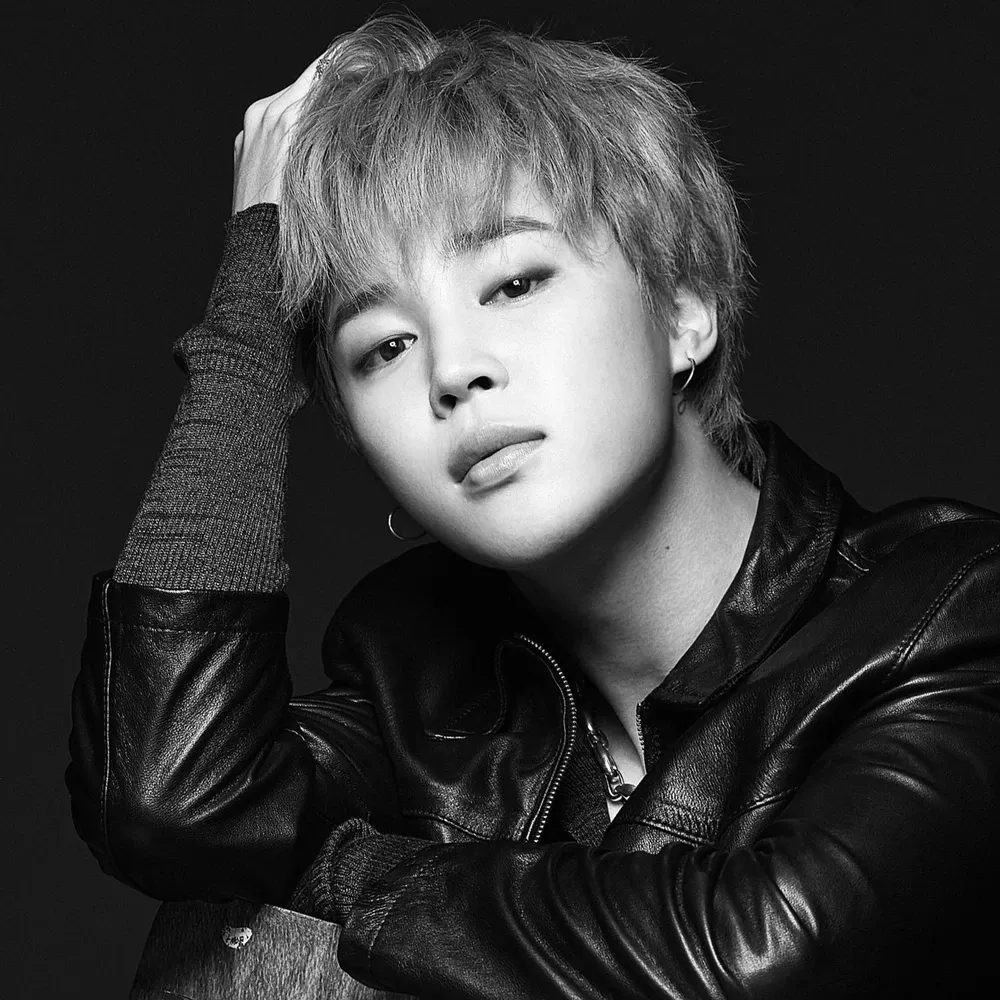 fascinated him most. “Ethereal” was the word he used, followed by
“perfect.” Longtime fans call it the Jimin effect, but the broader point was
clear: charisma carried across the physical distance of a stadium.
BTS’s synchronization is often the first thing people
notice, but their looseness is just as important. Precision makes the
performance impressive. Chemistry makes it pleasurable. SoFi needed both.
The Show Finds Its Emotional Center
The concert’s emotional stretch succeeded because it emerged
from the music rather than stopping the show for an extended explanation.
“Come Over” was a personal standout. Before SoFi, I had
attached the song to a difficult period of my life and expected hearing it live
to feel heavy. Instead, the performance changed its emotional temperature. I
danced and screamed the lyrics, fully focused on what BTS were doing in front
of me. The group did not merely reproduce a song I knew. Their live presence
created a new association around it.
“Magic Shop” reached deeper. When the opening notes began,
my brother took my phone and recorded so I could watch without choosing between
experiencing the song and preserving it. I once leaned on “Magic Shop” during
depression, and hearing it live brought tears. Its impact came from recognizing
the distance between the person who once needed the song and the person
standing in SoFi listening to it now.
That kind of personal meaning is impossible to standardize,
yet BTS understand how to create room for it. They did not tell the audience
exactly what to feel. They delivered the song with enough sincerity and
restraint for thousands of individual histories to coexist inside it.
The placement of “Butter” and “Dynamite” after that
emotional release was smart. Rather than allowing the concert to remain
suspended in reflection, the familiar pop songs returned it to movement. The
quick shift kept the show’s emotional arc from becoming self-indulgent.
A Stadium Turns Gold
Jungkook’s birthday gave the audience its clearest
opportunity to create the spectacle.
The stadium went dark before the screens displayed a
birthday message, and tens of thousands of voices sang “Happy Birthday” while
the members celebrated around him. Jin
×
 eventually placed a crown on Jungkook’s
head. The larger gesture, however, came during Jungkook’s ending remarks.
Warm points of gold began appearing throughout SoFi as fans
placed yellow stickers over their phone flashlights, creating a tribute to
Jungkook and the Golden era associated with him. He noticed, looked across the
stadium and briefly sang part of “Standing Next to You” before thanking the
crowd.
It was one of the concert’s simplest visual effects – no
pyro, screen animation or choreography – and one of its most memorable. For
most of the night, BTS controlled the world inside SoFi. In that moment, the
audience did. The project made the reciprocal relationship between BTS and ARMY
visible.
Into the Sun
The ending remarks balanced gratitude with humor. Jin
discussed fishing for tuna in Los Angeles and joked that he would give one to
Jungkook as a birthday gift. Other members reflected on the city’s role in
BTS’s history and on returning together after their individual chapters and
military service.
“Please” placed their vocals at the center once more before
“Into the Sun” closed the concert. The final song did not need another surprise
or technical flourish. Its job was to gather the night’s scale, emotion and
sense of return into one last release.
A stadium production this large can easily become an
exercise in excess. BTS avoided that problem by grounding almost every major
effect in performance. The screens clarified expressions. The pyro intensified
already forceful songs. The choreography expanded the music. Most importantly,
the quieter passages were trusted to work without constant embellishment.
The result was a concert that justified the years of
anticipation without becoming trapped by them. BTS sounded cohesive, performed
with remarkable control and allowed their chemistry to remain visible inside a
production designed for tens of thousands of people. Their reunion mattered,
but the show did not rely on reunion alone as its selling point. It worked
because BTS remain exceptional live performers.
When the lights came up, I understood why my brother later
told me he had almost as much fun watching my reaction as watching the concert.
He said he had never seen me so happy or so completely in my element. I told
him BTS were my happy place.
At SoFi, that description had a practical meaning. For more
than two hours, seven performers held a stadium through skill, discipline,
humor and a real understanding of how to make an audience feel involved. BTS
did not make SoFi intimate by pretending it was small. They made it intimate by
ensuring that every person inside it had a part to play.

Related groups
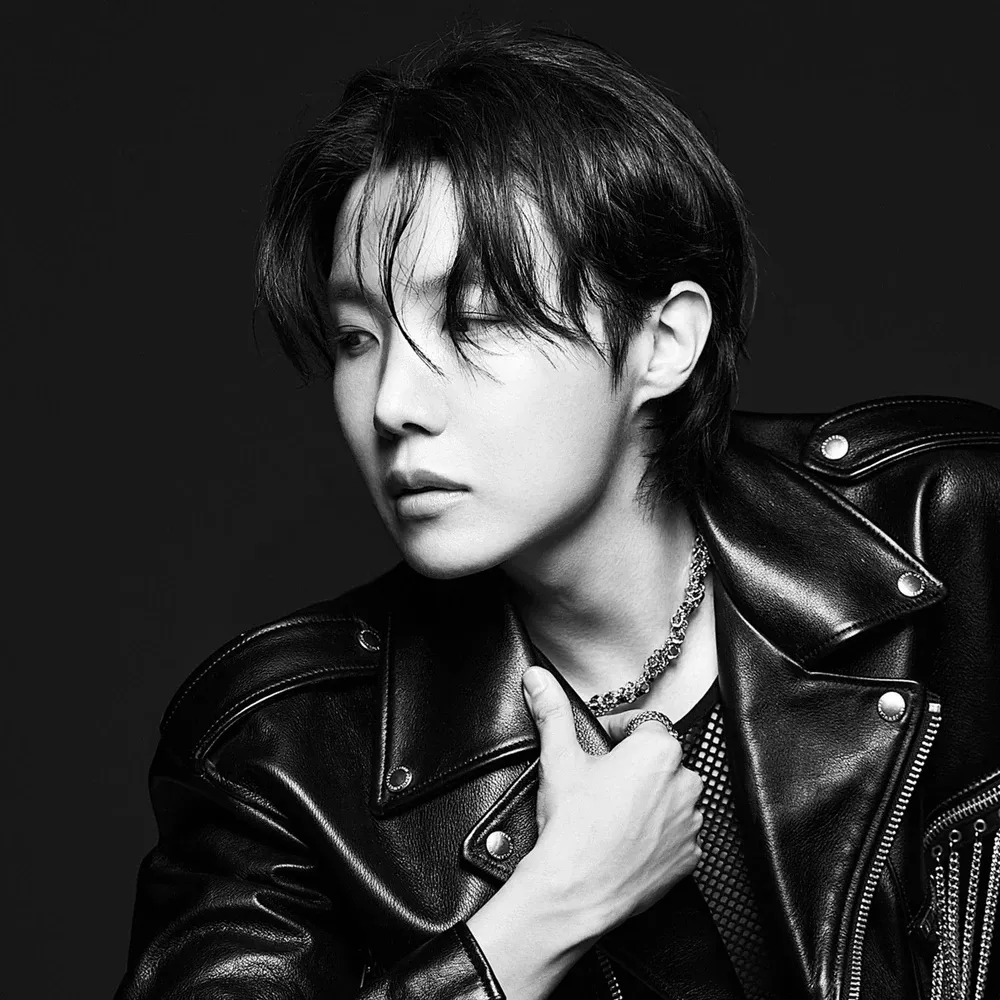
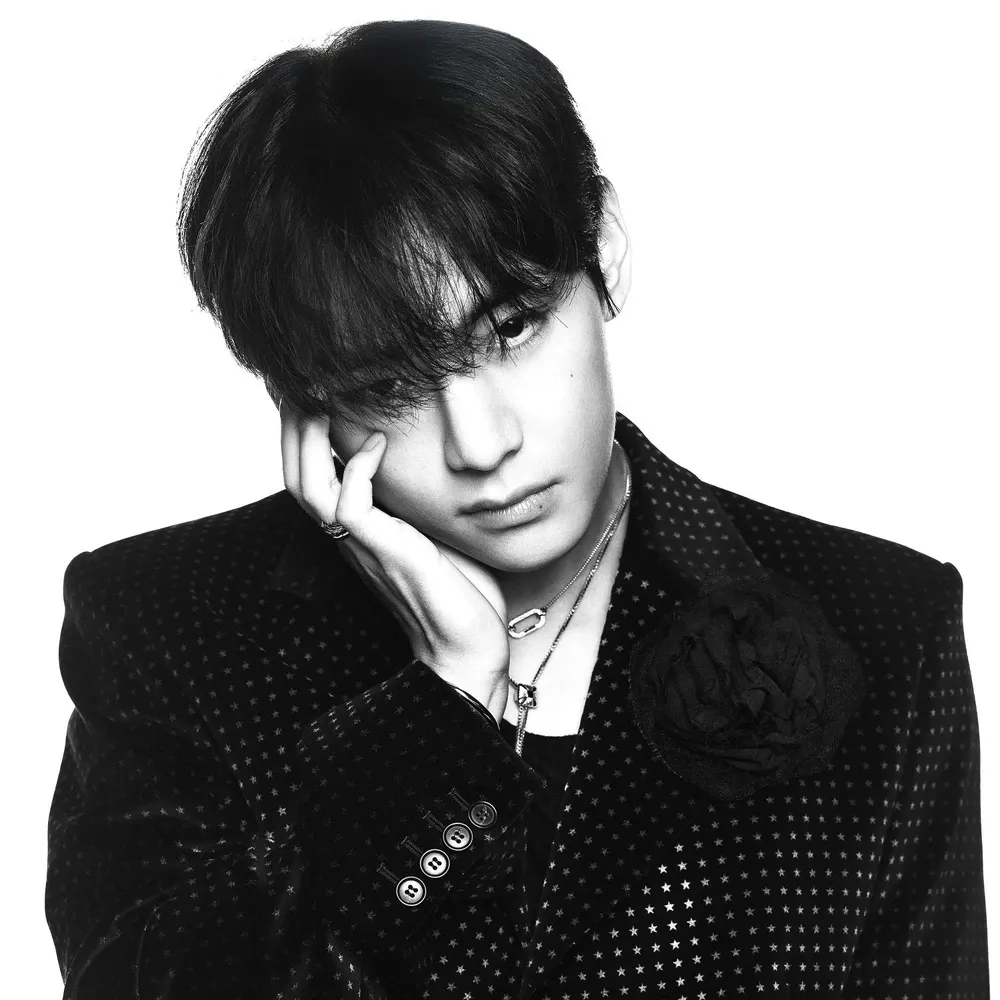
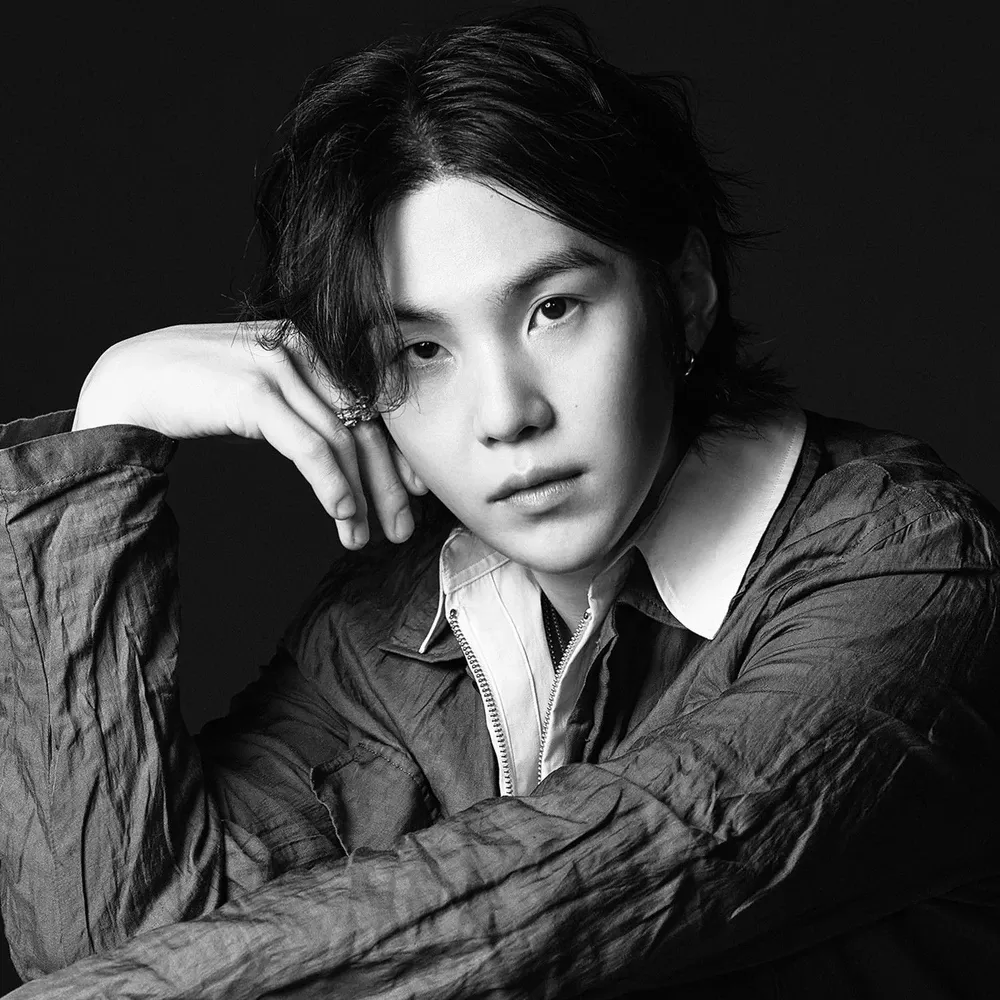
BTS (방탄소년단) is a South Korean K-pop group formed by BigHit Music and debuted on June 13, 2013. The group consists of seven members: RM, Jin, SUGA, j-hope, Jimin, V, and Jungkook. Known for their powerful performances, meaningful lyrics, and strong connection with fans, BTS has become one of the most successful and influential music groups in the world. Their music explores themes such as youth, self-discovery, mental health, love, and personal growth, helping them build a dedicated global fanbase known as ARMY. Since their debut, BTS has achieved record-breaking success across the global music industry with hit songs such as “Dynamite,” “Butter,” “Spring Day,” “Boy With Luv,” and “Fake Love.” The group has earned numerous awards, topped charts in multiple countries, sold millions of albums, and helped introduce K-pop to a broader international audience. Through their artistry, cultural impact, and worldwide influence, BTS continues to inspire fans and shape the future of global pop music.
Hover or tap React to choose. Pick the same reaction again to remove it.
Comments
(Updates after load — yes, your readers are humans… mostly.)
Top reads this week
Last 7 days
Thai and K-Pop Stars Bring Star Power to the Singapore F1 Grand Prix
4d ago

SEVENTEEN’s JEONGHAN x JOSHUA Debut with 'DREAMSCAPE': Tracklist, Music Video & More
5d ago
Beliebers, Assemble! Justin Bieber’s SKYLRK Pop-Up Hits Seongsu, Seoul
2d ago

PSY Passed the Torch to BTS. Why Is K-Pop Still Fighting the Obvious?
3d ago
BLACKPINK’s Jisoo Reveals Adorable Solo Light Stick
20h ago
Related group news
Latest stories mentioning BTS.