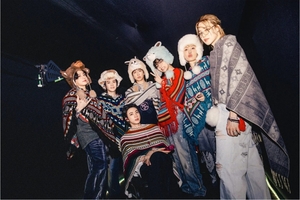
PSY Passed the Torch to BTS. Why Is K-Pop Still Fighting the Obvious?
Key takeaways
Quick summary- 1PSY’s decision to recognize BTS as K-pop’s future highlights the difference between contributing to an industry and transforming its global reach.
- 2The article examines how artists such as PSY, G-Dragon, and BTS shaped K-pop in distinct ways – and why properly crediting BTS’s unprecedented impact does not…
PSY’s recognition of BTS has renewed debate over how K-pop’s global history and influence are credited.
P NATION
As PSY entrusts K-pop’s future to BTS
×
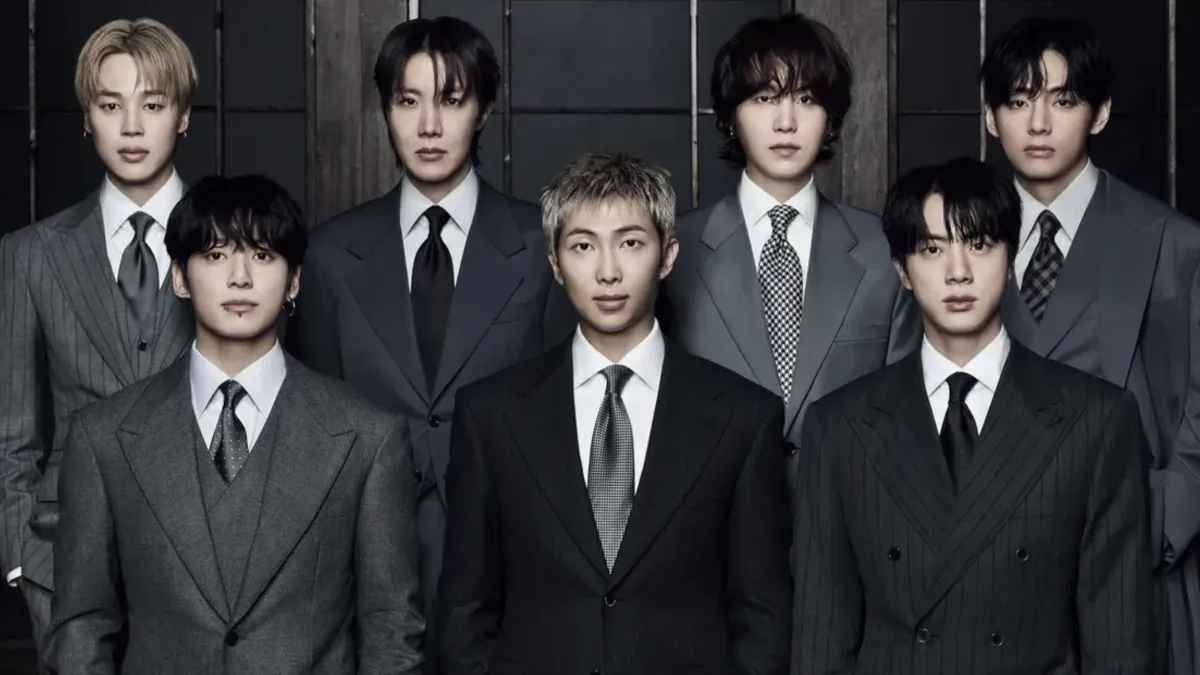 , competing claims about who “paved
the way” reveal the difference between influencing an industry and transforming
its global reach.
By Cena Haddad
PSY did not need to diminish his own history to recognize what BTS accomplished after him.
During the 2026 Public Broadcasters International Seoul conference on October 15, PSY delivered an address examining K-pop’s past, present, and future. When the conversation turned toward what comes next, his answer was direct.
“BTS is doing so well, so I’ll leave the future to them,” PSY said.
The statement carried weight because of who made it.
In 2012, “Gangnam Style” spent seven consecutive weeks at No. 2 on the Billboard Hot 100 and became the first YouTube video to reach one billion views. Its success demonstrated that a Korean-language song could command worldwide attention without being reshaped for Western audiences.
Rather than use that history to place himself permanently at the center of K-pop’s international growth, PSY looked forward. His statement recognized that creating a global breakthrough and turning that possibility into sustained market power are different accomplishments.
That distinction became especially relevant three days later.
During BIGBANG
×
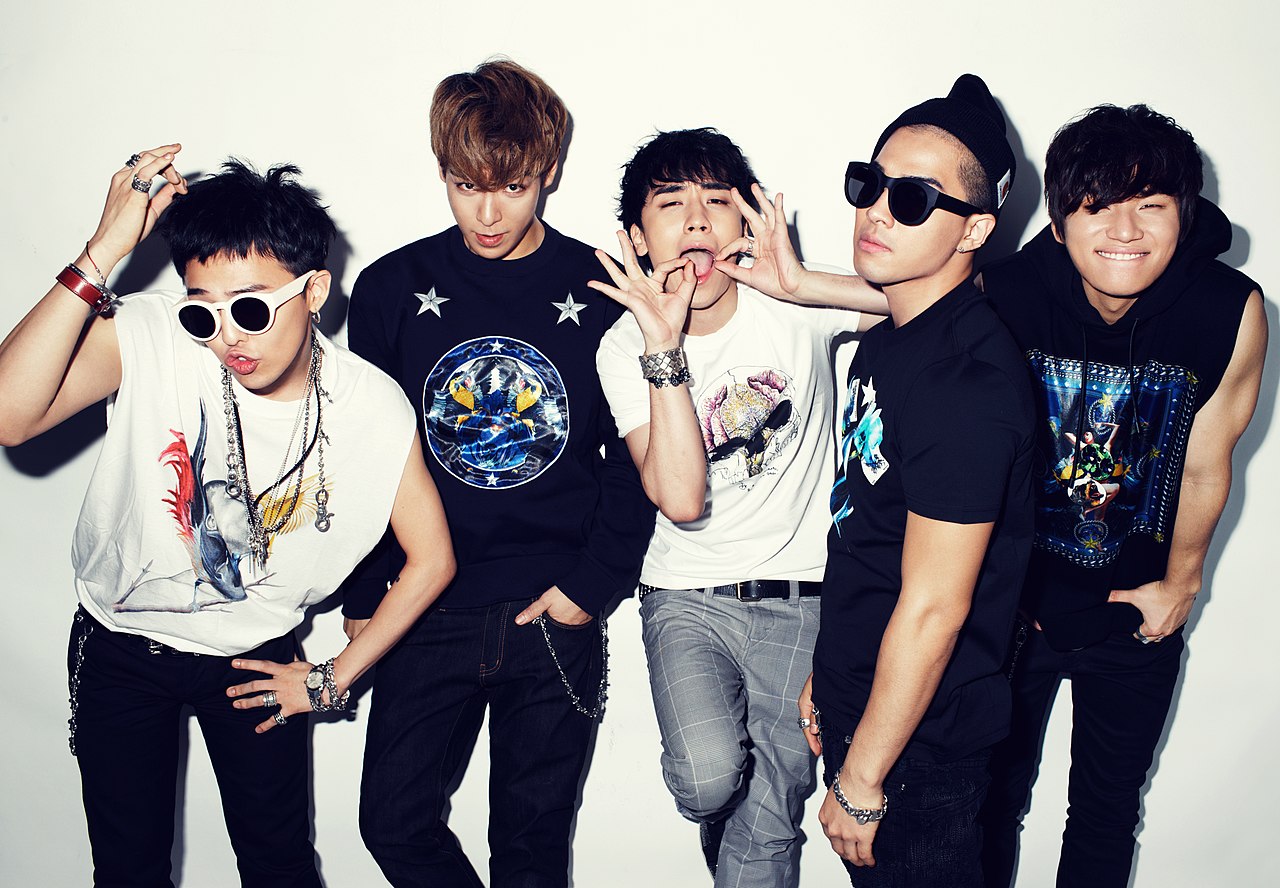 ’s concert in Singapore, Daesung
×
 declared that G-Dragon had “paved the way for everything”,
adding, “Everything since 2006, right? I’m sure of that.”
G-Dragon
×
 ’s influence within K-pop is undeniable. Claiming that one artist
paved the way for “everything,” however, reduces the industry’s complicated
history to an absolute the evidence cannot support.
The contrast between the statements is revealing.
PSY named an artist who carried K-pop beyond what he had accomplished. Daesung placed his bandmate near the beginning of nearly everything that followed.
One statement makes room for progress.
The other risks treating influence as ownership.
K-pop’s recurring “paved the way” debate cannot be resolved by listing who arrived first. The more useful question is what each breakthrough changed – and whether the industry operated differently afterward.
Many artists helped bring Korean music to international audiences.
BTS changed how far it could go.

Recognition Has Never Moved in One Direction
PSY’s willingness to recognize BTS was not an isolated gesture.
In 2017, BTS joined Seo Taiji for his 25th-anniversary concert, performing songs from the catalog of an artist widely credited with helping establish modern K-pop.
“This is your generation now,” Seo told the group.
The statement did not erase his influence. It recognized that K-pop had entered another stage of its development – and that BTS represented where it was moving next.
BTS has extended that same respect toward its predecessors.
In 2022, SUGA
×
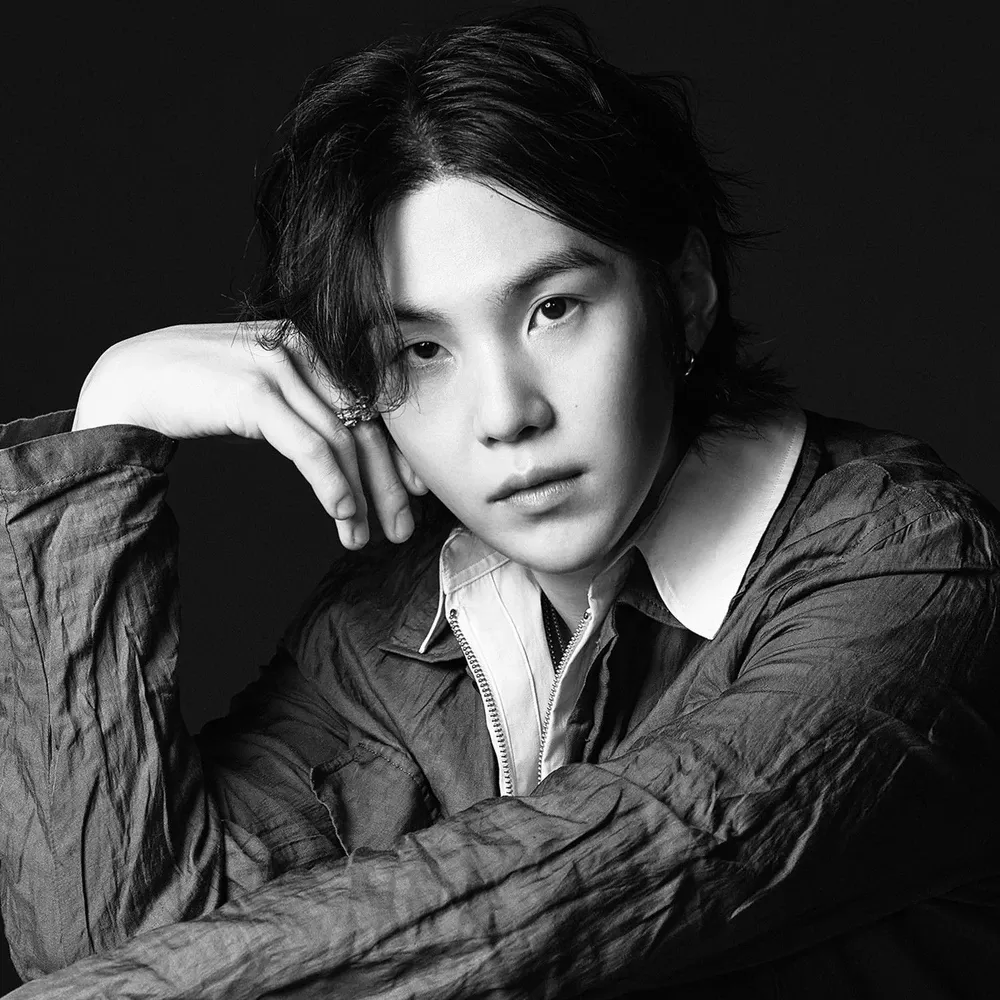 collaborated with PSY on “That That” as a featured artist,
songwriter, and producer.
While discussing their work together, he acknowledged the significance of “Gangnam Style.”
“With ‘Gangnam Style,’ he paved the way for K-pop in the U.S. so that we were able to follow his footsteps with ease,” SUGA said.
PSY, in turn, recognized what BTS accomplished beyond his breakthrough. Although “Gangnam Style” peaked at No. 2 on the Billboard Hot 100, he said BTS fulfilled his wish by reaching No. 1.
Their exchange held two truths at once: PSY created an opening that benefited BTS, and BTS developed that possibility into sustained success he had not achieved himself.
Neither artist needed history to belong exclusively to them.
That nuance disappears when “paved the way” is treated as a title only one artist can possess. Different artists created opportunities in different markets, challenged expectations surrounding artistry, and expanded the industry’s reach.
BTS inherited those possibilities.
They also transformed them.
Seo Taiji and PSY understood that recognizing the generation that followed did not diminish their own legacies.
The problem has never been that BTS refused to credit the past.
It is that parts of the industry still struggle to credit what BTS changed afterward.

Influence Is Not the Same as Transformation
G-Dragon’s importance within K-pop does not need to be exaggerated to be recognized.
As BIGBANG’s leader and a central creative force, his songwriting, production, fashion, and performance style expanded expectations of what an idol could create and control.
That legacy is substantial.
It is not the same as paving the way for “everything” after 2006.
K-pop’s development cannot reasonably be traced to one artist. Before
BIGBANG debuted, Seo Taiji and Boys had helped reshape Korean popular music,
while artists including BoA and TVXQ were building audiences across Asia.
Later, Wonder Girls entered the Billboard Hot 100, Girls’ Generation
×
 expanded
the visibility of Korean girl groups, and PSY created an unprecedented global
phenomenon with “Gangnam Style.”
G-Dragon contributed to that history, particularly through his influence on artistry within the idol system.
He did not create all of it.
Different artists changed different parts of the industry. G-Dragon influenced how an idol could be perceived – as a songwriter, producer, fashion figure, and individual artist within a group.
BTS changed the scale at which a Korean group could compete internationally.
The group became the first K-pop act to top the Billboard 200, the first all-South Korean act to lead the Billboard Hot 100, and the first K-pop act to receive a Grammy nomination. BTS also sold out stadiums across multiple countries and sustained global demand through Korean- and English-language releases.
Together, those achievements changed how Korean artists could be marketed, distributed, booked, and received outside Asia.
BTS was not the first Korean artist to reach an international audience. The group’s transformation came from converting earlier visibility into sustained market power.
There is a difference between influencing artists within an existing system and forcing the institutions surrounding that system to adjust. Both forms of impact matter, but they did not produce identical results.
Acknowledging BTS’s scale does not remove G-Dragon from K-pop’s history. It places both artists within it more accurately.
G-Dragon helped redefine what an idol could become.
BTS redefined how far a Korean act could go.

When Legacy Becomes Overstatement
Daesung’s statement should be criticized for what he said – not expanded into an accusation the evidence cannot support.
He did not mention BTS, and there is no proof that his praise of G-Dragon was motivated by jealousy or intended as an attack against another group.
The problem is the claim itself.
“I think GD paved the way for everything,” Daesung said. “Everything since 2006, right? I’m sure of that.”
The word “everything” turns admiration for a bandmate into an inaccurate account of K-pop’s development. It assigns nearly two decades of artistic and commercial progress to one person while overlooking achievements that cannot reasonably be traced to him.
The timing intensified the response. Only three days earlier, PSY had entrusted K-pop’s future to BTS. One veteran recognized the generation that surpassed his international achievements, while another artist positioned his bandmate near the origin of everything that followed.
That contrast does not make G-Dragon the speaker.
Daesung made the claim, and G-Dragon should not be assigned words he did not say. Assumptions about his feelings toward BTS should not be presented as fact.
K-pop discussions lose credibility when criticism of a public statement becomes certainty about someone’s private motives. Poor wording becomes a calculated attack, and disagreement becomes proof of jealousy. The result is another fan war rather than an examination of the history being disputed.
Taeyang
×
 offered a more measured account of BIGBANG’s contribution during
a 2025 CNN interview. He said the group’s efforts
helped open global markets for artists who followed while also crediting the
senior musicians who made BIGBANG’s success possible.
That framing recognizes contribution without claiming ownership.
The issue was not that Daesung praised G-Dragon. It was that he used an absolute broad enough to absorb accomplishments G-Dragon did not produce.
K-pop’s history is large enough to recognize G-Dragon’s influence and BTS’s global transformation.
It is not accurate enough to call either one responsible for “everything.”

The Future Does Not Erase the Past
K-pop’s history becomes unnecessarily combative when recognition is treated as a limited resource.
If BTS transformed the industry’s global reach, some assume earlier artists must become irrelevant. If G-Dragon influenced later idols, others treat that influence as ownership of what followed.
Neither conclusion is necessary.
History is not weakened by specificity.
BTS inherited an industry shaped by decades of artists, but it did not inherit the audience, institutional recognition, or market power it eventually built. Those results required years of music, touring, communication, and support from listeners who forced previously resistant institutions to respond.
Calling that transformation inevitable simply because K-pop already existed ignores how unlikely BTS’s rise once appeared.
It also misunderstands what it means to pave a way.
A path can be opened in one market, widened in another, and extended somewhere earlier artists never reached. Different generations can contribute without every contribution carrying the same scale or consequence.
PSY appears to understand that.
By leaving K-pop’s future to BTS, he did not remove himself from its past. He recognized that another artist carried the industry beyond what he had achieved.
That is not surrender.
It is historical clarity.
The artists who came before BTS deserve recognition for the opportunities they created. BTS deserves recognition for transforming those opportunities into sustained global power. Future artists will create changes that belong to them as well.
PSY passed the torch without pretending that doing so extinguished his own flame. His place in K-pop’s history remains secure, and recognizing BTS only makes his understanding of that history more honest.
K-pop does not need to choose between respecting its pioneers and recognizing its greatest transformation.
It needs to become mature enough to do both.

Related groups








BIGBANG is a South Korean boy group that debuted in 2006. Known for major influence on modern K-pop, the group is widely associated with hits across multiple eras and a strong global fanbase. The group is commonly treated as currently active with G-DRAGON, Taeyang, and Daesung.
BTS (방탄소년단) is a South Korean K-pop group formed by BigHit Music and debuted on June 13, 2013. The group consists of seven members: RM, Jin, SUGA, j-hope, Jimin, V, and Jungkook. Known for their powerful performances, meaningful lyrics, and strong connection with fans, BTS has become one of the most successful and influential music groups in the world. Their music explores themes such as youth, self-discovery, mental health, love, and personal growth, helping them build a dedicated global fanbase known as ARMY. Since their debut, BTS has achieved record-breaking success across the global music industry with hit songs such as “Dynamite,” “Butter,” “Spring Day,” “Boy With Luv,” and “Fake Love.” The group has earned numerous awards, topped charts in multiple countries, sold millions of albums, and helped introduce K-pop to a broader international audience. Through their artistry, cultural impact, and worldwide influence, BTS continues to inspire fans and shape the future of global pop music.





Hover or tap React to choose. Pick the same reaction again to remove it.
Comments
(Updates after load — yes, your readers are humans… mostly.)
Top reads this week
Last 7 days
New Music Chart Show ‘SHOW K-POP’ Set to Premiere October 19 with ZEROBASEONE’s Seok Matthew as Official MC
6d ago

From SM to A2O: Lee Sooman Builds a New Universe
6d ago

SEVENTEEN’s JEONGHAN x JOSHUA Debut with 'DREAMSCAPE': Tracklist, Music Video & More
2d ago
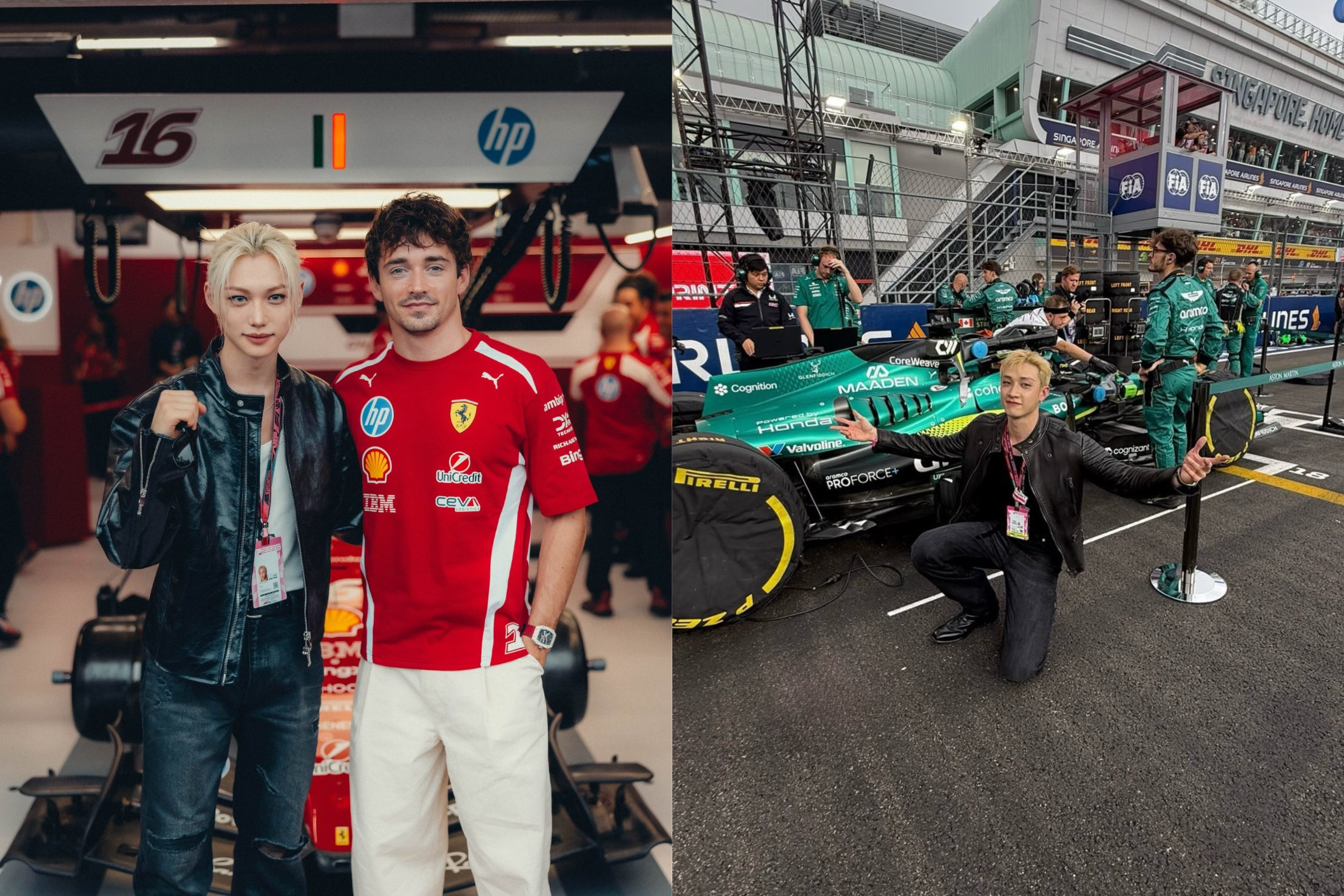
Thai and K-Pop Stars Bring Star Power to the Singapore F1 Grand Prix
1d ago

A2O groups debut with young, multinational lineup and old-school K-pop formula
6d ago
Related group news
Latest stories mentioning Girls’ Generation, BIGBANG and more.