I know I’m a little late to this conversation… but some media stories are worth revisiting after the headlines have settled.
A while ago,
BTS
×
 About group
BTS
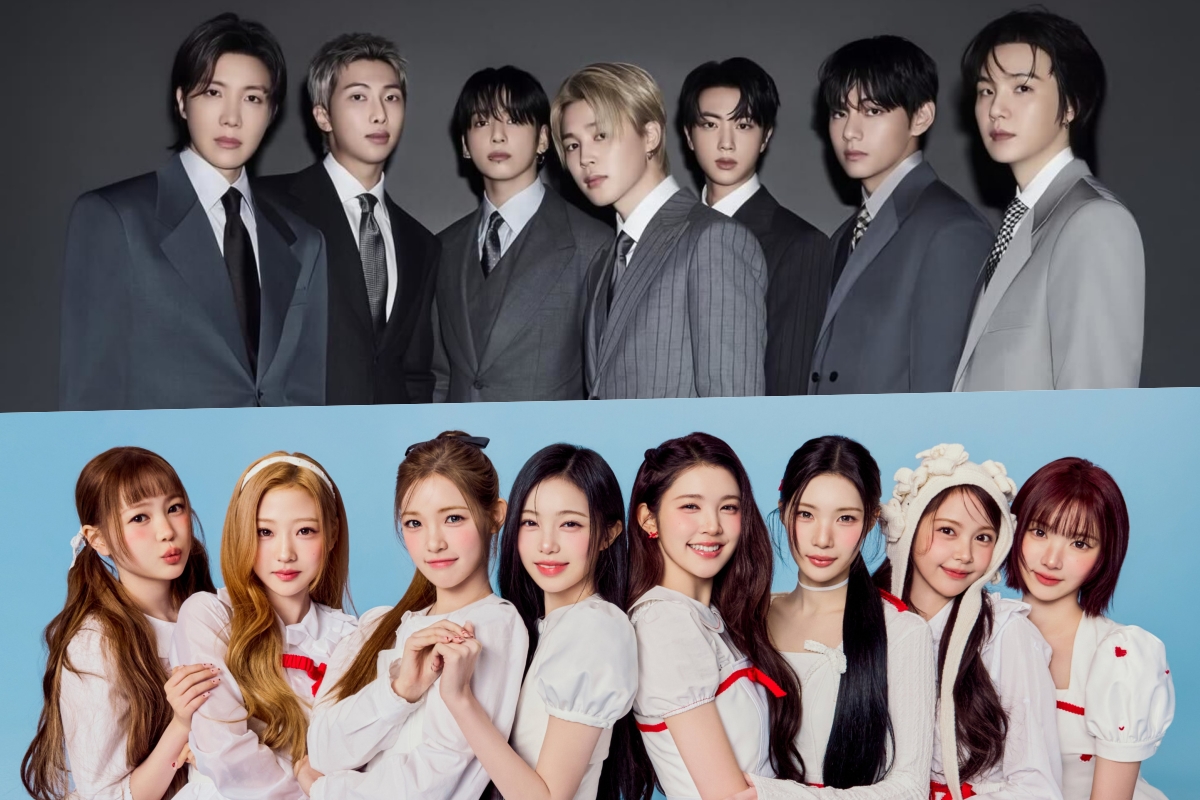
BTS (방탄소년단) is a South Korean K-pop group formed by BigHit Music and debuted on June 13, 2013. The group consists of seven members: RM, Jin, SUGA, j-hope, Jimin, V, and Jungkook. Known for their powerful performances, meaningful lyrics, and strong connection with fans, BTS has become one of the most successful and influential music groups in the world. Their music explores themes such as youth, self-discovery, mental health, love, and personal growth, helping them build a dedicated global fanbase known as ARMY.
Since their debut, BTS has achieved record-breaking success across the global music industry with hit songs such as “Dynamite,” “Butter,” “Spring Day,” “Boy With Luv,” and “Fake Love.” The group has earned numerous awards, topped charts in multiple countries, sold millions of albums, and helped introduce K-pop to a broader international audience. Through their artistry, cultural
Tap again to view profile →
Close
About group
BTS
BTS (방탄소년단) is a South Korean K-pop group formed by BigHit Music and debuted on June 13, 2013. The group consists of seven members: RM, Jin, SUGA, j-hope, Jimin, V, and Jungkook. Known for their powerful performances, meaningful lyrics, and strong connection with fans, BTS has become one of the most successful and influential music groups in the world. Their music explores themes such as youth, self-discovery, mental health, love, and personal growth, helping them build a dedicated global fanbase known as ARMY.
Since their debut, BTS has achieved record-breaking success across the global music industry with hit songs such as “Dynamite,” “Butter,” “Spring Day,” “Boy With Luv,” and “Fake Love.” The group has earned numerous awards, topped charts in multiple countries, sold millions of albums, and helped introduce K-pop to a broader international audience. Through their artistry, cultural
Tap again to view profile →
Close
announced that they would not submit ARIRANG for consideration at the 2027 Grammy Awards.
Around the same period, the Recording Academy introduced a new Best Asian Pop Music Performance category, a decision that sparked a much bigger conversation about representation, categorisation and the place of Asian music within Western award institutions.
And honestly, that's the part I find most interesting.
Because this isn't simply a conversation about whether
BTS
×
About group
BTS
BTS (방탄소년단) is a South Korean K-pop group formed by BigHit Music and debuted on June 13, 2013. The group consists of seven members: RM, Jin, SUGA, j-hope, Jimin, V, and Jungkook. Known for their powerful performances, meaningful lyrics, and strong connection with fans, BTS has become one of the most successful and influential music groups in the world. Their music explores themes such as youth, self-discovery, mental health, love, and personal growth, helping them build a dedicated global fanbase known as ARMY.
Since their debut, BTS has achieved record-breaking success across the global music industry with hit songs such as “Dynamite,” “Butter,” “Spring Day,” “Boy With Luv,” and “Fake Love.” The group has earned numerous awards, topped charts in multiple countries, sold millions of albums, and helped introduce K-pop to a broader international audience. Through their artistry, cultural
Tap again to view profile →
Close
should be nominated for a Grammy.
It's about how global culture is categorised by the institutions that have historically shaped mainstream media.
The Recording Academy's position was that the new category would recognise the “depth, diversity and extraordinary growth” of Asian pop, while artists would still be eligible for the General Field categories.
BTS
×
About group
BTS
BTS (방탄소년단) is a South Korean K-pop group formed by BigHit Music and debuted on June 13, 2013. The group consists of seven members: RM, Jin, SUGA, j-hope, Jimin, V, and Jungkook. Known for their powerful performances, meaningful lyrics, and strong connection with fans, BTS has become one of the most successful and influential music groups in the world. Their music explores themes such as youth, self-discovery, mental health, love, and personal growth, helping them build a dedicated global fanbase known as ARMY.
Since their debut, BTS has achieved record-breaking success across the global music industry with hit songs such as “Dynamite,” “Butter,” “Spring Day,” “Boy With Luv,” and “Fake Love.” The group has earned numerous awards, topped charts in multiple countries, sold millions of albums, and helped introduce K-pop to a broader international audience. Through their artistry, cultural
Tap again to view profile →
Close
, meanwhile, expressed a desire for music to be heard and appreciated without being divided by region or language.
Both sides highlight an interesting tension:
Representation can create visibility .... but categorisation can also create boundaries.
For decades, music industries outside the traditional Western mainstream were often introduced to global audiences as “international” or “regional” phenomena.
But K-pop has fundamentally changed that conversation.
It has become part of a much larger global ecosystem spanning music, fashion, advertising, social media, fandom, tourism and entertainment marketing.
So the question I keep coming back to isn't simply:
“Should there be an Asian Pop category?”
It's:
“At what point does creating space for cultural diversity stop being inclusion and start becoming separation?”
And from a media and communications perspective, that's a fascinating question.
Awards ceremonies aren't just about recognising talent. They are also media institutions. They influence what audiences see as prestigious, mainstream, commercially significant and culturally important.
The Recording Academy's subsequent acknowledgement that it was reconsidering aspects of the category only makes the discussion more interesting.
Maybe the most important thing about this entire situation isn't who was right or wrong.
Maybe it's that the global audience has evolved faster than some of the frameworks used to represent it.
And perhaps media institutions now have to ask whether their categories still reflect the culture they're trying to represent.
I may be late to the discussion, but I don't think the conversation is outdated.