"Art"-ificicial Intelligence: Why TXT is Pushing Back Against AI in K-Pop
Key takeaways
Quick summary- 1As AI reshapes K-pop, TXT is choosing a different path--defending human creativity and reminding us why the process of making art matters.
In an industry increasingly experimenting with AI-generated voices, virtual idols, AI-assisted songwriting and synthetic imagery, what does it mean for an artist to deliberately reject the technology?
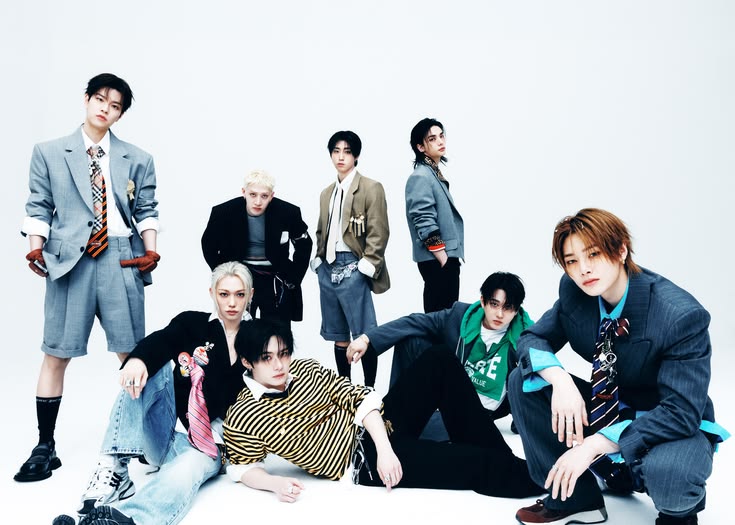
Tomorrow By Together (TXT) has been a leading voice in the stance against using AI to create art, arguing that art should remain human at all stages of the creative process. But what is the other side to the debate?
Generative AI is a hot topic these days. While it can be used for fun, harmless activities, such as a funny “happy birthday” message from a dancing dolphin or helping graphic designers edit photos and graphics for a marketing campaign, it can also be used for more dangerous purposes, like creating X-rated photos, stealing other creator’s work, or selling products that don’t exist. There also exists a gray area, a middle ground, where arguably the worst crime committed is laziness.
AI generated art, including music, is flooding the marketplaces of our world. Suno, an AI music generator, has been in the news for many reasons, including lawsuits from record labels for copyright issues and for making it possible for subscribers to earn royalties through their generated music. Users can generate a song, upload it to Spotify, Apple Music, or YouTube, and keep 100% commercial rights to the music they generate.
The K-Pop world is no exception to this development. Mave is a girl group created by Metaverse Entertainment that is completely artificial. Their voices are AI-generated, while their visuals are 3D computer animation. Superkind is a hybrid group that uses both human members and AI-generated “nucleus” members. Plave is a boy band that uses motion capture technology on human singers to control 3D avatars. The creation of virtual groups is both revolutionary and questionable. Are virtual groups eligible to win awards? If so, who receives it? The “group”? The record label? The person entering the prompts into the AI-generator bot? Plave is especially concerning, using real humans’ likenesses to create the group. Should other groups be created in a similar manner, this could easily become a legal dilemma: who owns the rights? The humans behind the virtual members? Or the record label? Deepfakes are a hot topic in all areas of the entertainment industry.
We also have groups on both sides of the argument: should AI be used in creating music?
Aespa
×

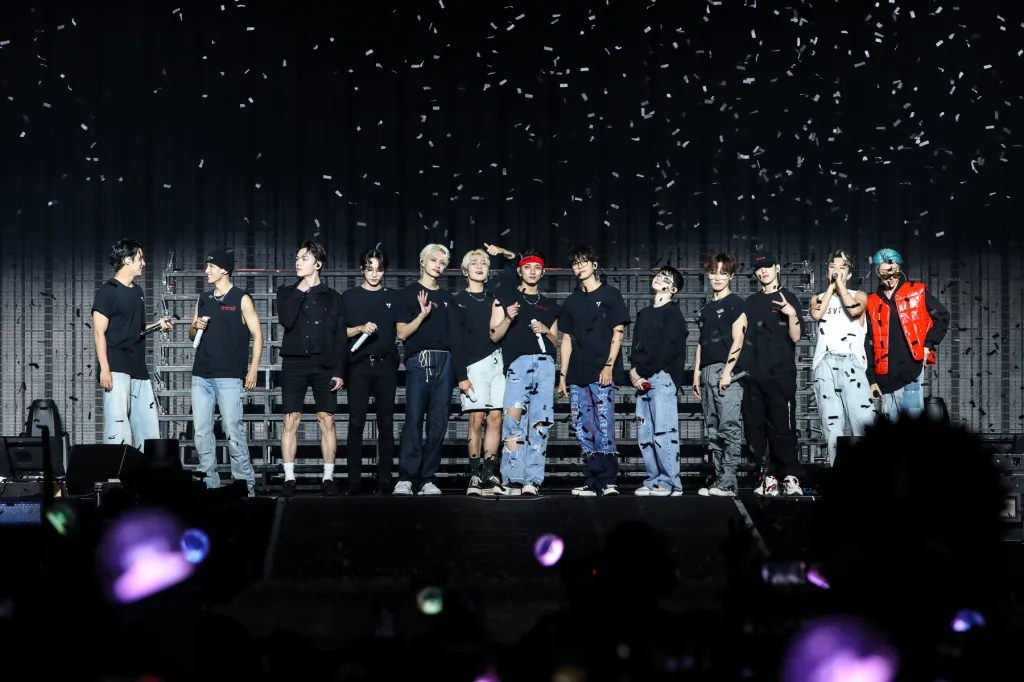 used AI to assist in the music video production for their single Maestro. Their producer, Woozi
×
used AI to assist in the music video production for their single Maestro. Their producer, Woozi
×
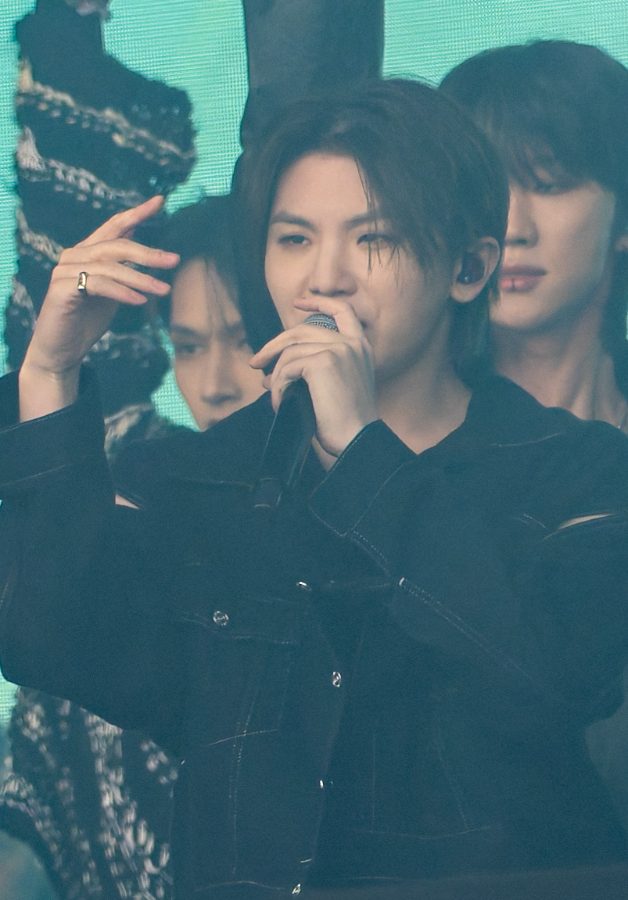 , has shared that the team explicitly experimented with AI text-to-music generation and lyric tools while brainstorming and drafting melodies to explore new creative directions. The use of AI in the brainstorming process can be extremely useful; for receiving feedback, tracking changes, and testing sounds. Having fun with alter egos, creating special effects for a much cheaper price than using CGI in a music video, all can be relatively low-risk compared with replacing human performers or generating entire pieces of music, but they still raise questions about consent, authorship, and artistic ownership. Even so, it must be asked; is it possible to take it too far?
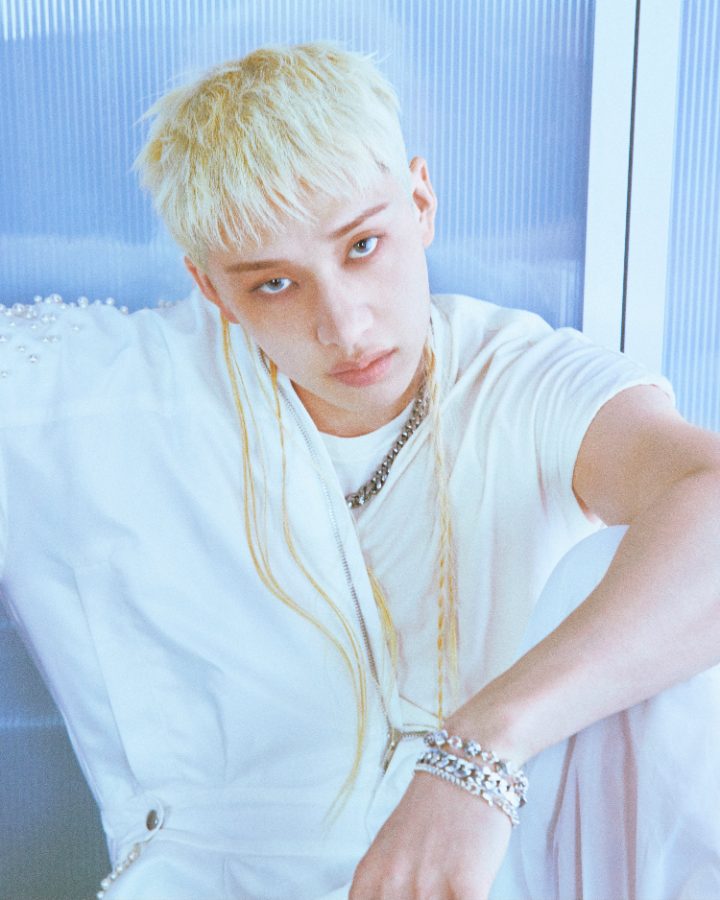
AI has been a hot topic in K-Pop for a while. The Korean Music Copyright Association (KOMCA) enforced a rule requiring songwriters to sign a pledge confirming their work is 0% AI-generated to qualify for royalties. Seventeen was pushed to clarify that they only used AI to help in the brainstorming process, not in the actual creation of the music. Idols such as Bang Chan
×
 and Felix
×
and Felix
×
 from Stray Kids
×
from Stray Kids
×
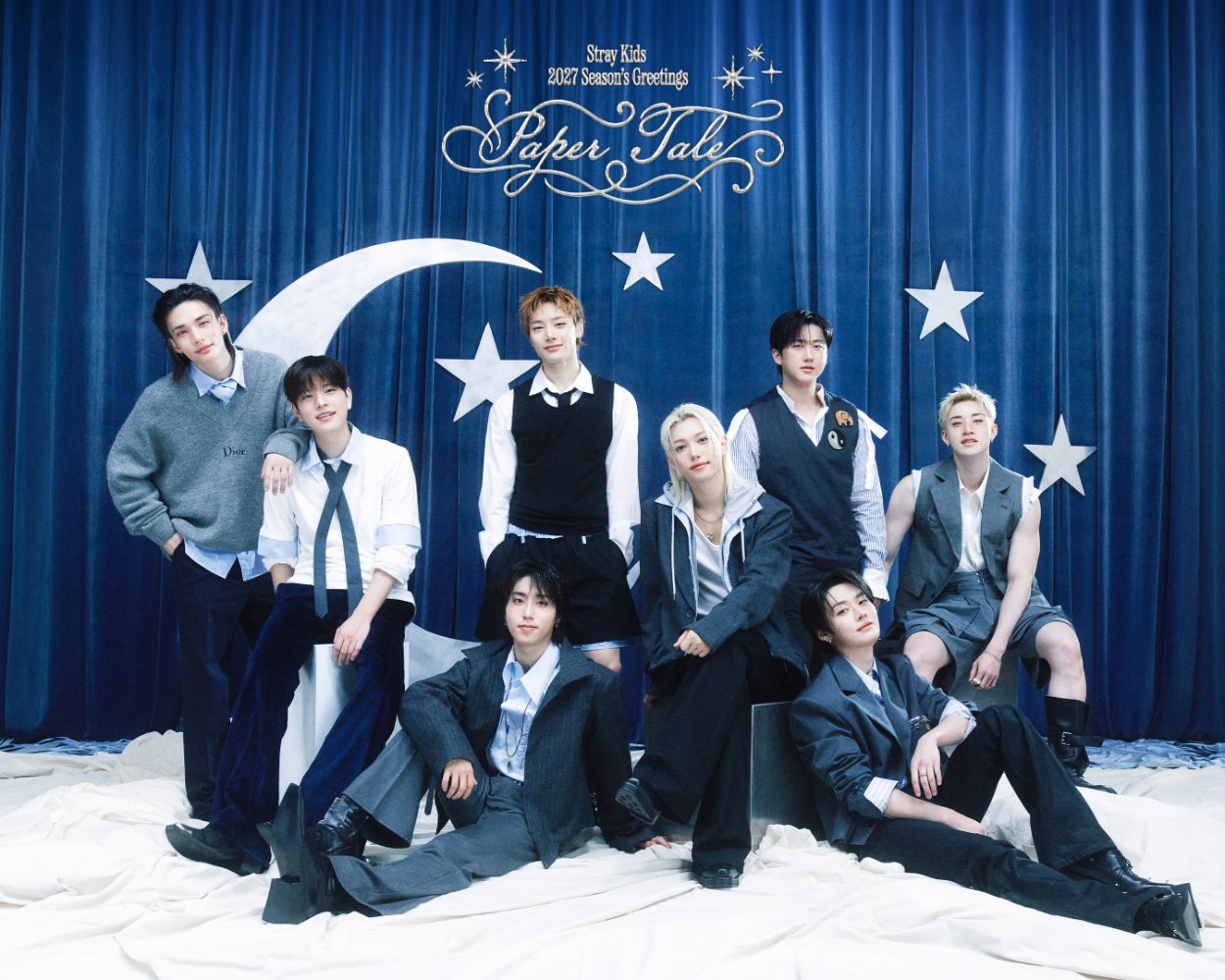 have pursued legal action against unauthorized AI deepfakes used inappropriately or to solicit fans. Major music rights organizations in South Korea launched the K-Music Rights Organization Mutual Growth Committee to safeguard creators against the rapid expansion of AI.
TXT Leader Yeonjun has been particularly vocal about avoiding the use of AI, even for brainstorming. He believes that art should remain an extension of humanity–that is where the beauty lies. The group has also experienced awkward promotional stunts involving hidden AI chatbots that left members visibly disappointed upon finding out they were interacting with bots instead of real junior artists. Even so, the group’s label, BigHit, has faced backlash from fans of TXT (MOA), as the label has used generative AI to create backgrounds and visuals for promotional videos and teasers. This disconnect between the label and the member’s beliefs is heartbreaking for fans, especially those who agree with TXT’s stance.
TXT raises the question: what happens to creativity when we outsource the struggle that makes creativity meaningful? Yeonjun’s refusal to even use AI in the brainstorming process is interesting, because brainstorming is precisely where someone might say “what’s the harm?”. The human process itself has value. BigHit’s use of AI in TXT’s promotional media creates yet another question: who gets to decide what “artistic authenticity” means when the artist and the institutions producing their work don’t necessarily share the same philosophy?
The big picture is this: AI-generated content is neutral. The humans using it are the ones who determine what it is used for. If art is simply a product, AI is extraordinarily useful. If art is fundamentally human communication, then the process matters. The debate surrounding AI in art may ultimately be less about whether the technology exists and more about what we believe art is supposed to accomplish. Overall, this debate is one I can see enduring for many years to come.

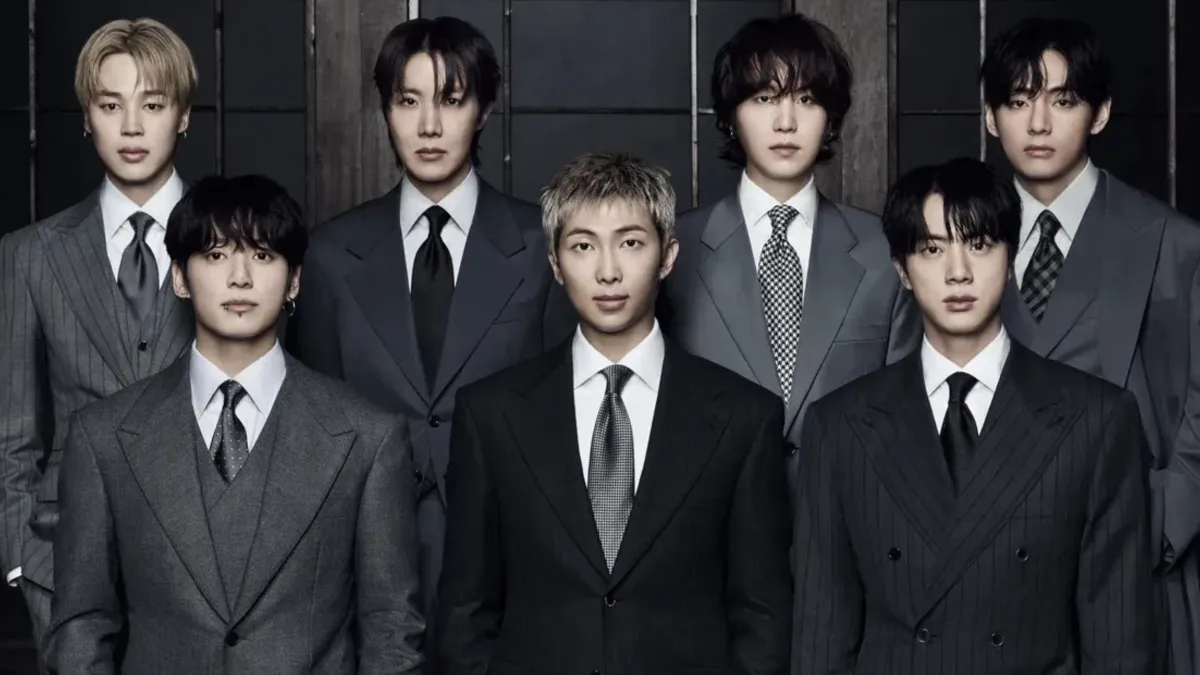 , music, fandom, and all the wonderfully complicated feelings that come with loving art.
Related groups
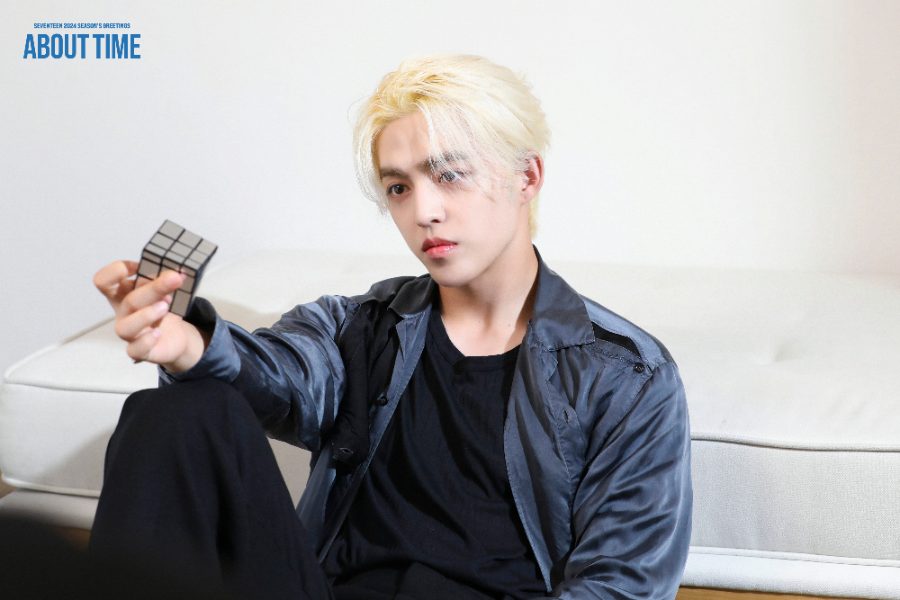
SEVENTEEN is a self-producing boy group with 13 members, divided into the 3 main sub-units, hip-hop, vocal, and performance, to form 1 team. They are known for intricate choreography, impressive synchronisation and sophisticated song writing.

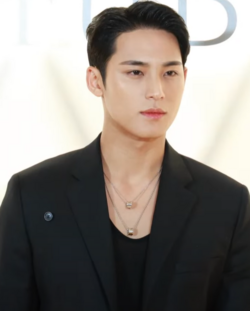
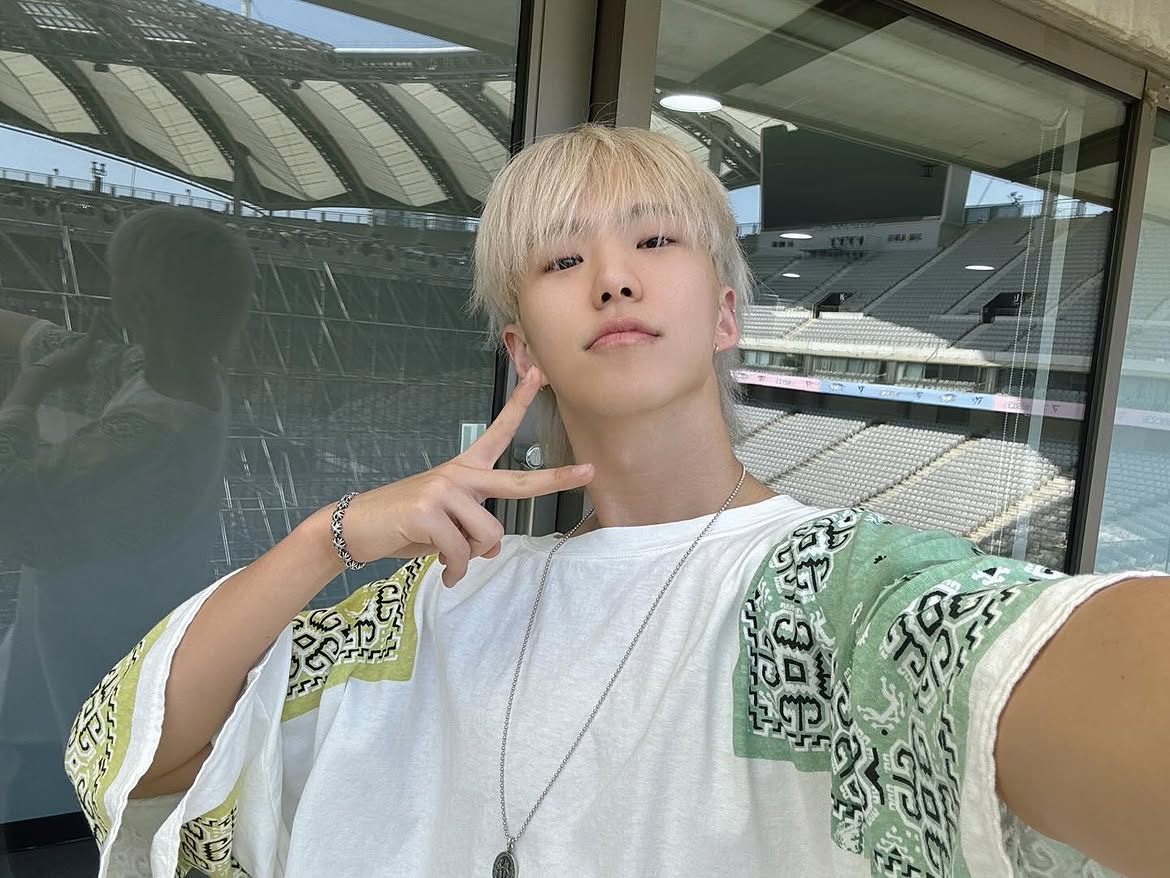
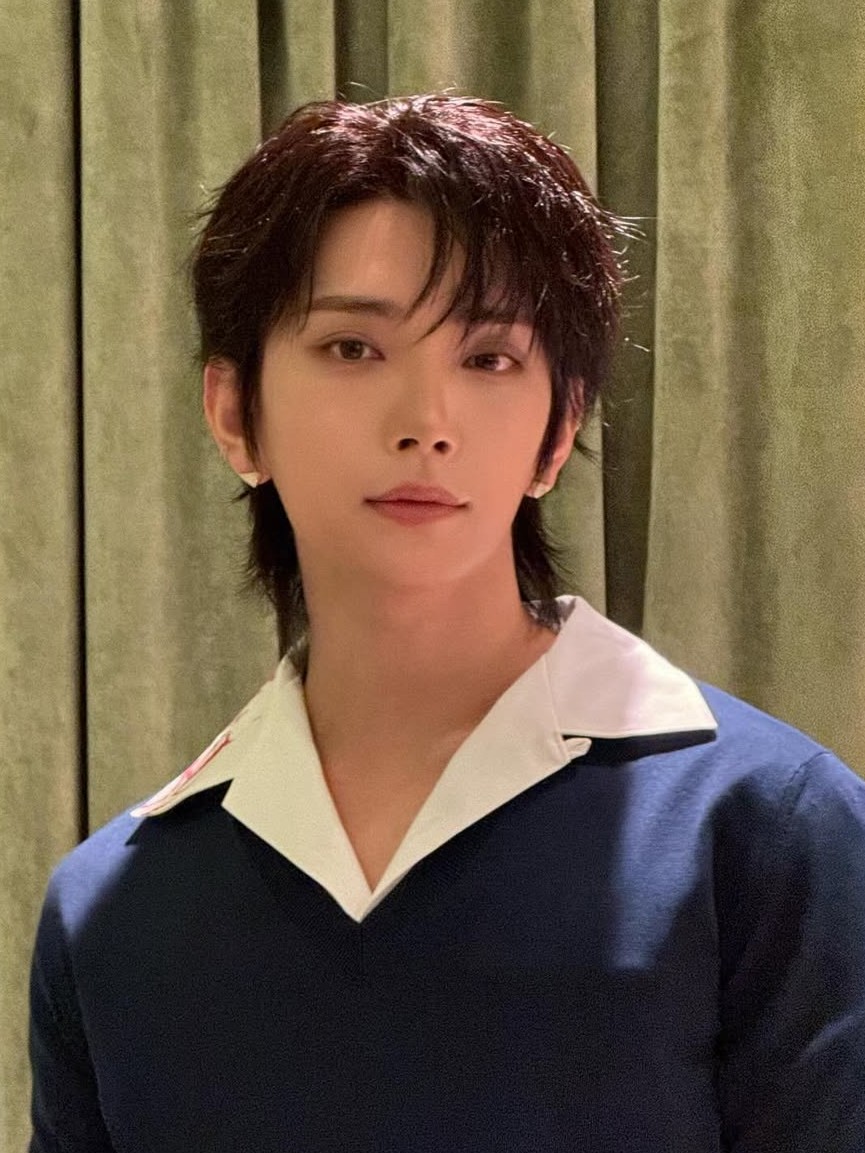

BTS (방탄소년단) is a South Korean K-pop group formed by BigHit Music and debuted on June 13, 2013. The group consists of seven members: RM, Jin, SUGA, j-hope, Jimin, V, and Jungkook. Known for their powerful performances, meaningful lyrics, and strong connection with fans, BTS has become one of the most successful and influential music groups in the world. Their music explores themes such as youth, self-discovery, mental health, love, and personal growth, helping them build a dedicated global fanbase known as ARMY. Since their debut, BTS has achieved record-breaking success across the global music industry with hit songs such as “Dynamite,” “Butter,” “Spring Day,” “Boy With Luv,” and “Fake Love.” The group has earned numerous awards, topped charts in multiple countries, sold millions of albums, and helped introduce K-pop to a broader international audience. Through their artistry, cultural impact, and worldwide influence, BTS continues to inspire fans and shape the future of global pop music.

aespa is a South Korean girl group formed by SM Entertainment, consisting of Karina, Giselle, Winter, and Ningning. Since their debut in 2020, aespa has gained international recognition for their innovative concept that combines music, storytelling, and virtual avatars, creating a unique identity within the K-pop industry. Known for their powerful vocals, dynamic performances, and futuristic sound, the group has consistently topped charts and attracted a growing global fanbase. With hit songs such as “Black Mamba,” “Next Level,” “Savage,” “Spicy,” and “Supernova,” aespa has established itself as one of the leading fourth-generation K-pop groups. Their distinctive blend of pop, electronic, and experimental music, combined with strong visual concepts and world tours, continues to expand their influence and popularity among fans around the world.


Hover or tap React to choose. Pick the same reaction again to remove it.
Comments
(Updates after load — yes, your readers are humans… mostly.)
Top reads this week
Last 7 days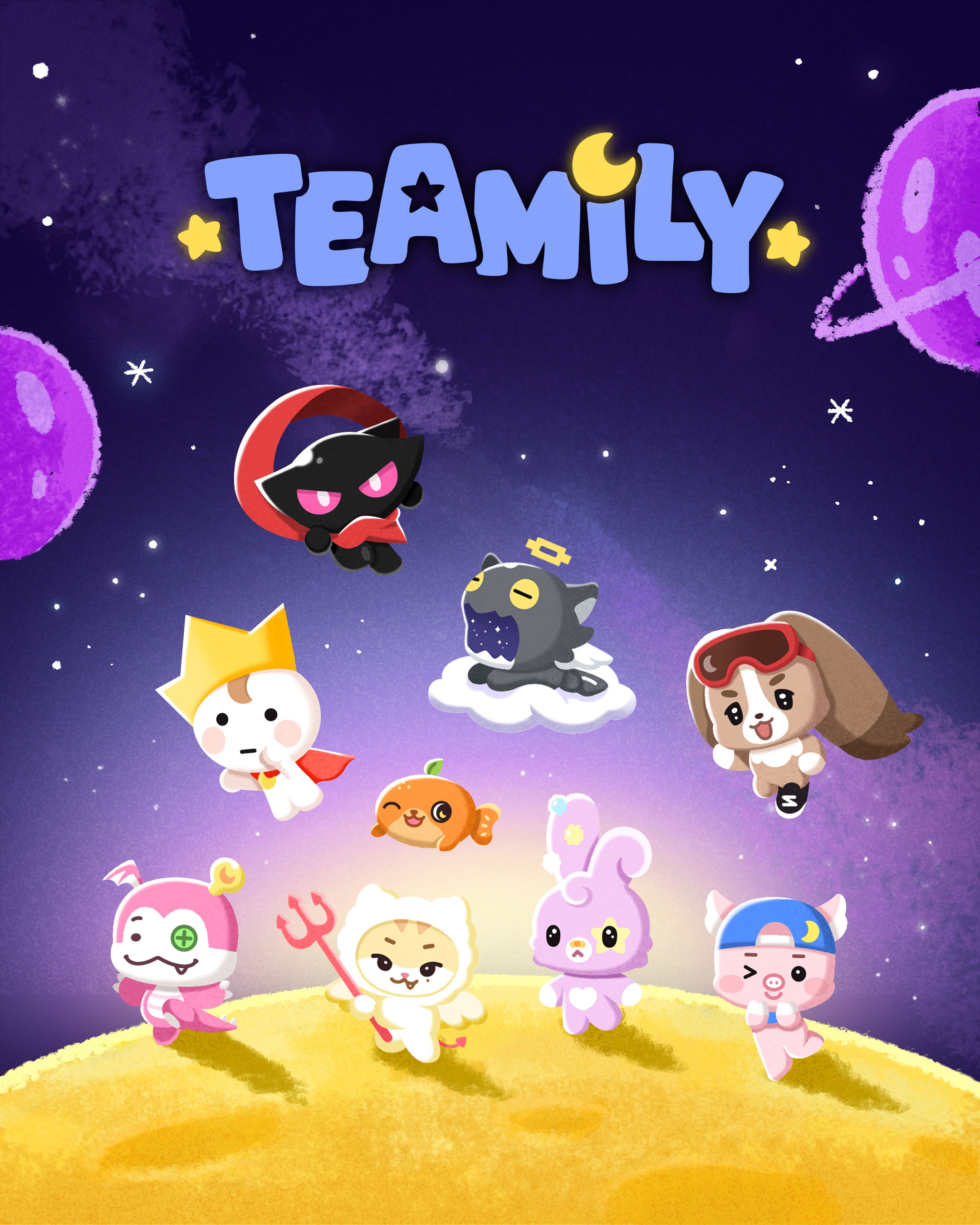
Meet TEAMILY: How &TEAM Is Turning Its Members’ Personalities Into Characters for Fans
3d ago
Former ATBO Member Jeong Seunghwan Goes Viral at 2026 Ground Forces Festival
4d ago
Album Review: CRAVITY’s 9th EP ‘sonorous’
3d ago
Watch: TWICE Introduces Official Characters TDOONGZ
5d ago
&TEAM Gets Animated with the TEAMILY Character Line
5d ago
Related group news
Latest stories mentioning SEVENTEEN, BTS and more.