When Does Listening Become Endorsing? What RM and j-hope’s Chris Brown Controversy Reveals About Accountability, Celebrity Culture, and the Impossible Standards We Place on Public Figures.
Key takeaways
Quick summary- 1BTS' Chris Brown controversy exposes the impossible standards we place on artists and fans.
- 2When does enjoying an artist's work become endorsement?
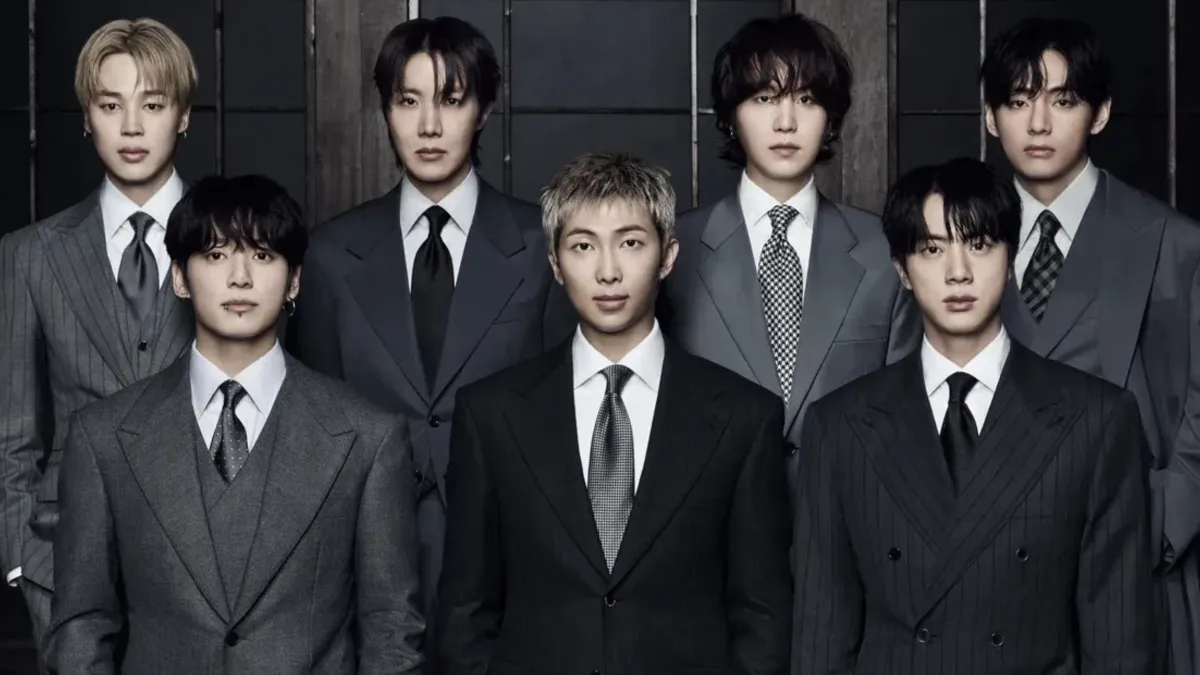
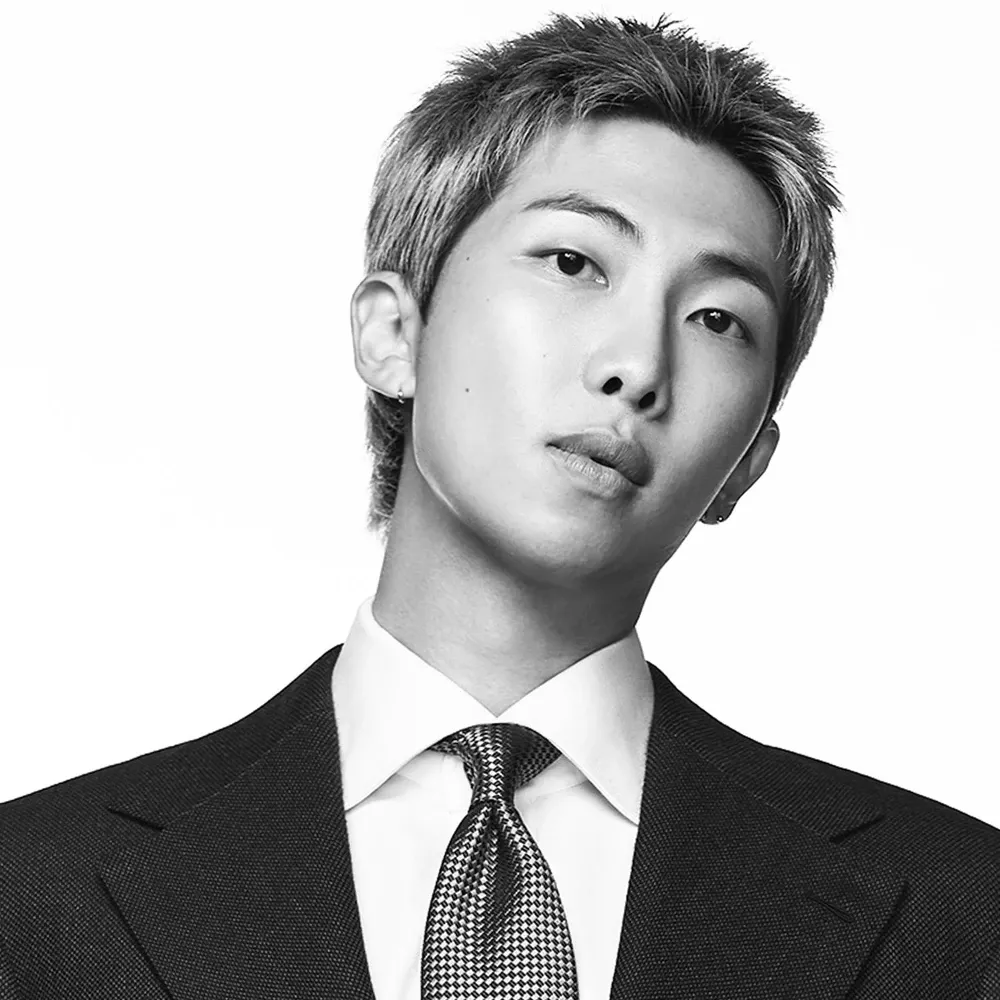
Until this week, I had no idea who Chris Brown was. I knew the name, but didn’t know much about his music, let alone his history. Then on August 12th, BTS
×
 ’ leader RM
×
’ leader RM
×
 and lead dancer/rapper j-hope
×
and lead dancer/rapper j-hope
×
 attended his concert co-headlined by Usher in Toronto and suddenly my social feeds were filled with discussions about domestic violence, accountability, complicity, and whether attending a concert constitutes an endorsement of everything an artist represents. Seated in VIP, posting videos of themselves singing and dancing along, and ending the night with a backstage photo op with Brown, which the singer later posted to his Instagram.
It was this photo that sparked a wildfire in the ARMY fandom, promptly dividing the fandom into two camps–those who believed BTS owed women everywhere an apology, and those who took the photo at face value; nothing but a photo.
The concert became controversial because of the histories and public controversies surrounding its headliners. For context, Chris Brown was arrested in 2009 for the felonious assault of his then-girlfriend, pop star Rihanna, to which he pled guilty. A handful of other allegations of sexual assault, recorded instances of violence, and even a lawsuit from concert-goers, Brown does not have the cleanest history. A few allegations against Usher also exist, but nothing has ever been concluded as far as a verdict goes.
I believe we should hold artists accountable for what they do. But we should be careful about assuming that consuming someone’s art means endorsing everything that person has ever done. In an era of increasingly interconnected celebrity culture, the demand for moral purity from both artists and their audiences can flatten complicated questions about accountability, knowledge, art, and human judgement. Should RM and j-hope have been a little more aware of the situation before agreeing to the photo? Perhaps. But the amount of hatred aimed at them is more vitriol than the anger and rage aimed at the person who actually did the abuse. Some fans have even called for a “Black Ocean”—a coordinated decision not to turn on their lightsticks during BTS's concerts—as a form of protest. Yet that response introduces an uncomfortable contradiction: if consuming an artist's work constitutes endorsement of everything that artist has done, where does that leave the fans themselves? They are essentially doing the exact same thing that RM and j-hope did–attending a concert of an artist whose music they appreciate, whether they agree with that artist’s actions or not. Are we canceling everyone who attended Brown's sold out concerts, or just BTS? Why?
Where is the line between enjoying content and supporting the creator’s actions? Attending the concert? Posting the performance? Dancing to a song? Taking a photo with the artist? Collaborating? Defending them publically? At what point does appreciation become endorsement?
Most people do not think to conduct an entire background check before buying a concert ticket. We do not even know why the members were there in the first place. They could have been invited professionally, attending as guests, supporting a friend or collaborator, or simply enjoying a night off. We do not know. Unless RM and j-hope, or their representatives say otherwise, those possibilities remain speculation.
The discomfort isn't entirely irrational. Fans don't experience celebrities as abstract musicians; BTS in particular has spent years talking openly about respect, empathy, mental health, feminism, and social responsibility. When two members associate themselves with a controversial artist, some fans naturally interpret the association through the existing moral framework. For people who have been personally affected by domestic violence, the reaction can be even more visceral. Their discomfort should not be mocked simply because someone else interprets the photograph differently. There is a legitimate conversation to be had about whether RM and j-hope should have anticipated how the photograph would be perceived. But there is a significant difference between criticizing a public association and declaring that association proof of shared values.
For some fans, the issue is not that RM and j-hope enjoyed the music. It is that they publicly celebrated a performance and subsequently posed for photographs with Brown. Given Brown's history and his recent guilty plea in a London assault case, those fans argue that the interaction communicates more than simple appreciation for his music. That concern deserves to be taken seriously. Public figures understand that their actions carry symbolic weight, particularly when millions of people watch them closely. But symbolic weight is not the same thing as definitive evidence of belief.
I have attended concerts by artists whose politics, beliefs, or personal choices I do not share. I suspect many people have. We are capable of separating an artist's work from every aspect of the person who created it—or, at minimum, of recognizing that enjoying a performance does not necessarily constitute a moral endorsement of its performer. I can disagree with an artist and still want to hear them sing live. I can admire one part of a person while rejecting another. Human beings have been doing this messy mental arithmetic forever; social media has simply made every calculation public.
We consume art created by imperfect people every day. We watch movies starring actors whose politics we dislike. We listen to musicians whose personal lives make us uncomfortable. We read books by authors whose opinions we find reprehensible. Sometimes we consciously separate the work from its creator. Sometimes we don’t. Both choices are legitimate. But there is a difference between saying “I enjoy this person’s work despite disagreeing with them” and saying “I agree with everything this person has done.” The first is ordinary human complexity. The second is endorsement.
Not every association carries the same meaning. A concert ticket is not a political endorsement, and a photograph is not a manifesto. But neither is ever public interaction meaningless. Context matters. Explicit statements matter. Repeated behavior matters. What matters most is the evidence we have–not the beliefs we project onto a person based on a single photograph.
The question isn't whether RM and j-hope are allowed to attend the concert. Of course they are. The more interesting question is whether attending it—and posing for a photograph afterward—should reasonably be interpreted as an endorsement of everything its performers have done. Have we started treating celebrities as political representatives rather than human beings? Fans aren't merely saying: “I wish they hadn't gone.” Some are essentially saying: “Because you went, you have demonstrated that you support this person.”
The closer fans feel to celebrities, the more accountable they may expect those celebrities to be to the fans' own moral standards. We should be allowed to hold artists accountable without turning every ticket purchase, photograph, collaboration, or concert attendance into a referendum on their entire moral worldview. Accountability requires specificity. If attending a concert means endorsing everything the performer has ever said or done, then almost no one can participate in popular culture with a clean conscience.
Artists are complicated. Fans are complicated. People are complicated. Perhaps our expectations of public figures should leave room for that complexity. Because there is a difference between standing beside someone and standing for everything they stand for. And a photograph cannot tell us which one happened.


Related groups
BTS (방탄소년단) is a South Korean K-pop group formed by BigHit Music and debuted on June 13, 2013. The group consists of seven members: RM, Jin, SUGA, j-hope, Jimin, V, and Jungkook. Known for their powerful performances, meaningful lyrics, and strong connection with fans, BTS has become one of the most successful and influential music groups in the world. Their music explores themes such as youth, self-discovery, mental health, love, and personal growth, helping them build a dedicated global fanbase known as ARMY. Since their debut, BTS has achieved record-breaking success across the global music industry with hit songs such as “Dynamite,” “Butter,” “Spring Day,” “Boy With Luv,” and “Fake Love.” The group has earned numerous awards, topped charts in multiple countries, sold millions of albums, and helped introduce K-pop to a broader international audience. Through their artistry, cultural impact, and worldwide influence, BTS continues to inspire fans and shape the future of global pop music.
Hover or tap React to choose. Pick the same reaction again to remove it.
Comments
(Updates after load — yes, your readers are humans… mostly.)
Top reads this week
Last 7 days
Exclusive: KPopAngel Sits Down With V01D To Discuss Their New Mini Album, Debut Life, And Plans For The Future
6d ago
Watch: &TEAM Introduces Official “TEAMILY” Characters For Each Member
6d ago

Meet TEAMILY: How &TEAM Is Turning Its Members’ Personalities Into Characters for Fans
3d ago
Former ATBO Member Jeong Seunghwan Goes Viral at 2026 Ground Forces Festival
4d ago
Watch: TWICE Introduces Official Characters TDOONGZ
5d ago
Related group news
Latest stories mentioning BTS.